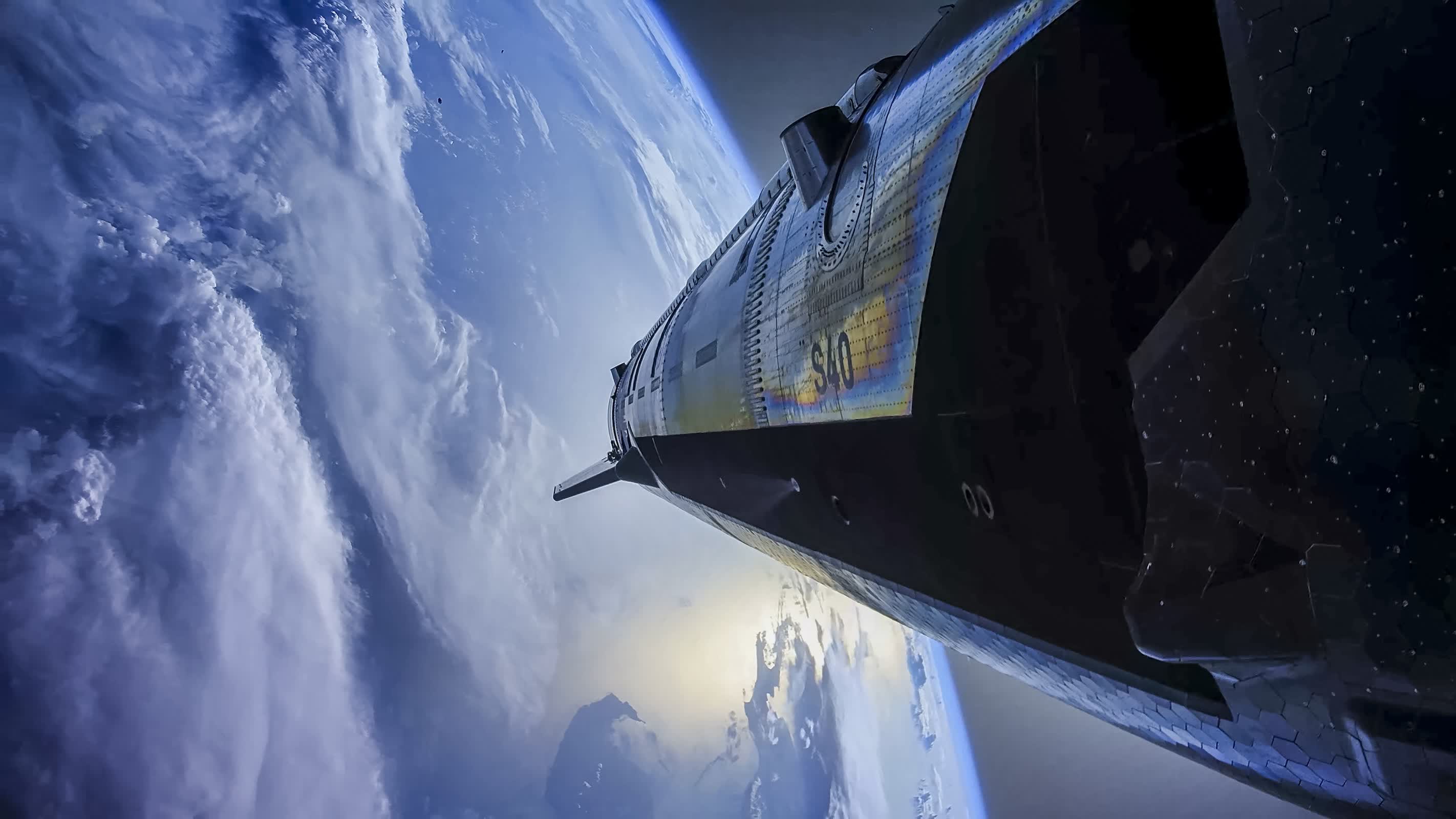
Looking ahead: SpaceX appears to be preparing for a future without Falcon 9, even though the rocket remains one of the most important launch systems in service. The company is reportedly no longer accepting Falcon 9 launch reservations beyond 2028. That suggests a plan to shift customers to Starship, the much larger rocket SpaceX is developing for high-volume satellite launches, deep-space missions, and NASA's lunar program.
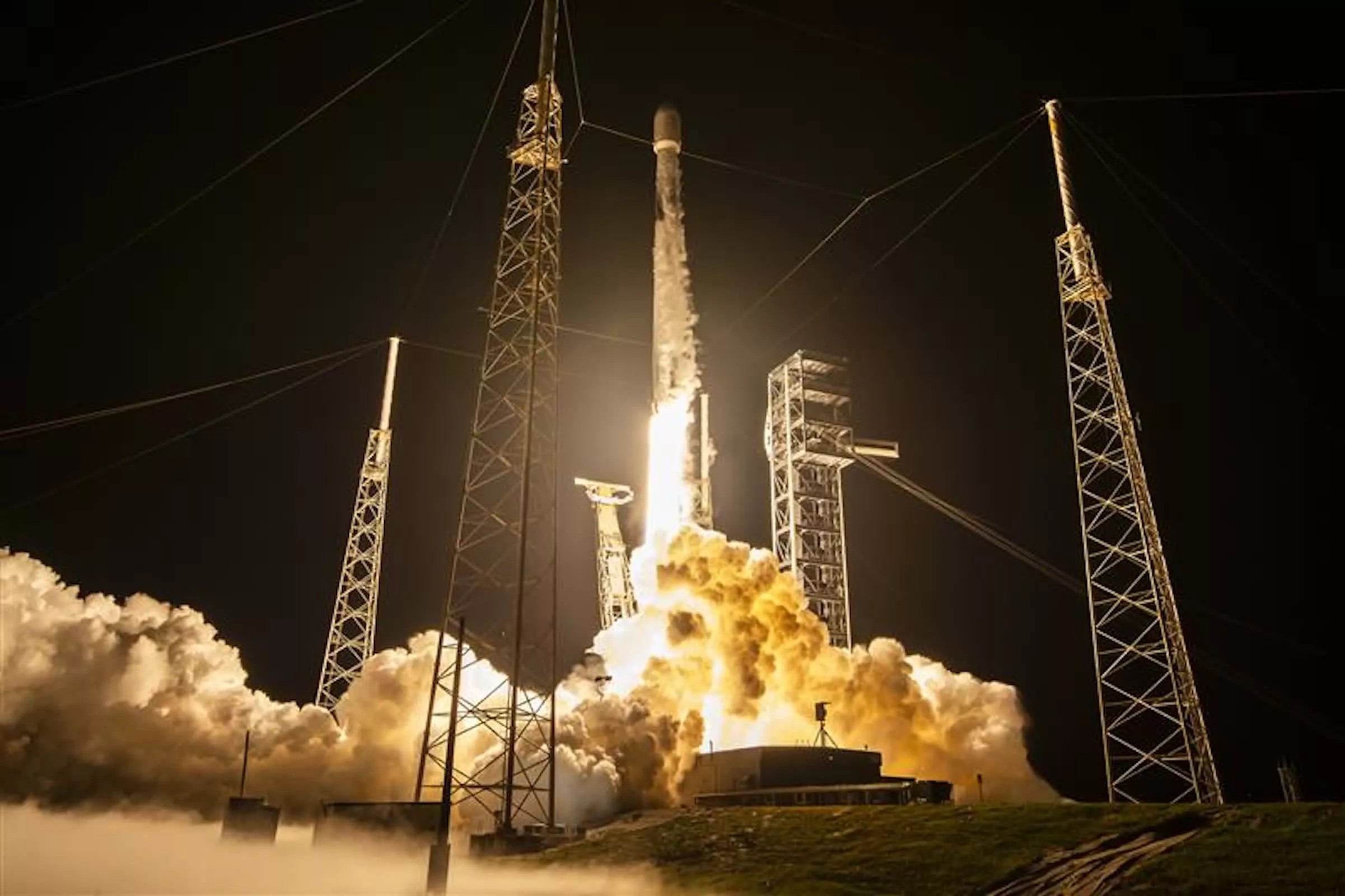
Meanwhile, Falcon 9 is still doing much of the work in the commercial launch market. In 2025, it launched 165 times, successfully delivered every payload to orbit, and had one unsuccessful booster recovery. The rocket accounted for nearly half of all launches worldwide.
Falcon 9 changed the economics of launch through reusable boosters and a rapid launch cadence. It also made rideshare missions more common, allowing several satellite companies to place spacecraft on the same launch. That has been especially important for startups and smaller operators that cannot afford a dedicated mission.
If SpaceX stops offering Falcon 9 after 2028, those customers will need other options. Other launch providers could pick up some of the demand, but none currently launches at Falcon 9's pace. The industry has already raised concerns about a shortage of rockets and launch capacity as demand for satellite deployments grows.
Musk has said SpaceX will shift its engineering and manufacturing resources away from Falcon and toward Starship once the newer vehicle is flying often enough to justify the move. He said the company would make the shift only after Starship can fly dependably several times a week. The goal would then be to increase Starship's flight rate to several launches a day, eventually allowing SpaceX to phase down Falcon operations.
– Elon Musk (@elonmusk) August 22, 2026
That leaves an obvious question: Can Starship meet that standard by 2028?
The company is treating Starship as the vehicle that can eventually replace Falcon 9 and handle missions that Falcon cannot. Starship is designed to carry much larger payloads and eventually fly missions to the Moon and beyond. But the system has not yet reached orbit. Its newest prototype began flying this year, and its first orbital attempt is scheduled for Sept. 28.
Falcon 9 also performs missions that Starship cannot simply take over. It currently carries cargo and astronauts to the International Space Station for NASA. Starship's upper stage is too large to dock with the station, so retiring Falcon 9 could create a problem if the ISS operates beyond 2028. The station may receive an extension through 2032.
That could leave NASA relying more heavily on Russia's Soyuz spacecraft or Boeing's Starliner, if Starliner resolves the issues that have limited its use. Neither would be a direct replacement for Falcon 9's current role.
NASA's Artemis program may help explain why 2028 has become such an important date for SpaceX. The agency's plan calls for astronauts to launch aboard Orion on the Space Launch System. A separate Starship vehicle would be refueled in orbit through 15 launches, travel to lunar orbit, and take two astronauts to the Moon's surface.
That lunar landing is scheduled for 2028. SpaceX needs Starship to be ready if it is to meet that commitment. NASA has also reopened the lunar-lander competition, with Blue Origin as the only other candidate mentioned in the provided material.
SpaceX could change course and continue Falcon 9 flights longer than planned. For now, though, its booking policy suggests that the company is betting Starship will be ready to take over within two years.