
What the FOSS: Over the past few years, Microsoft has turned its "humble" Defender anti-malware tool into a comprehensive security solution for both Windows machines and cloud environments. Now, the Redmond corporation is expanding Defender support to Linux desktops and servers as well.
Microsoft believes Linux systems also need a corporate-oriented security solution such as Defender. Redmond's anti-malware solution, notorious for its arguably excessive false positives, is now offering expanded support for major Linux distributions. This allows organizations to use the same security platform to protect heterogeneous enterprise environments where Windows and Linux machines coexist.
Redmond introduced Microsoft Defender for Linux by highlighting the growing appeal of Linux systems to cybercriminals. Software developers who use Linux as their primary platform must contend with multiple components of the software stack, including remote code repositories, integration pipelines, and cloud infrastructure.
According to Microsoft, Defender can provide effective endpoint protection against threats targeting developers working on Linux. In particular, the anti-malware solution can "protect and detect" threats on Linux through its next-generation antivirus engine, while offering additional enterprise-focused capabilities such as vulnerability management, device inventory, and security settings management.
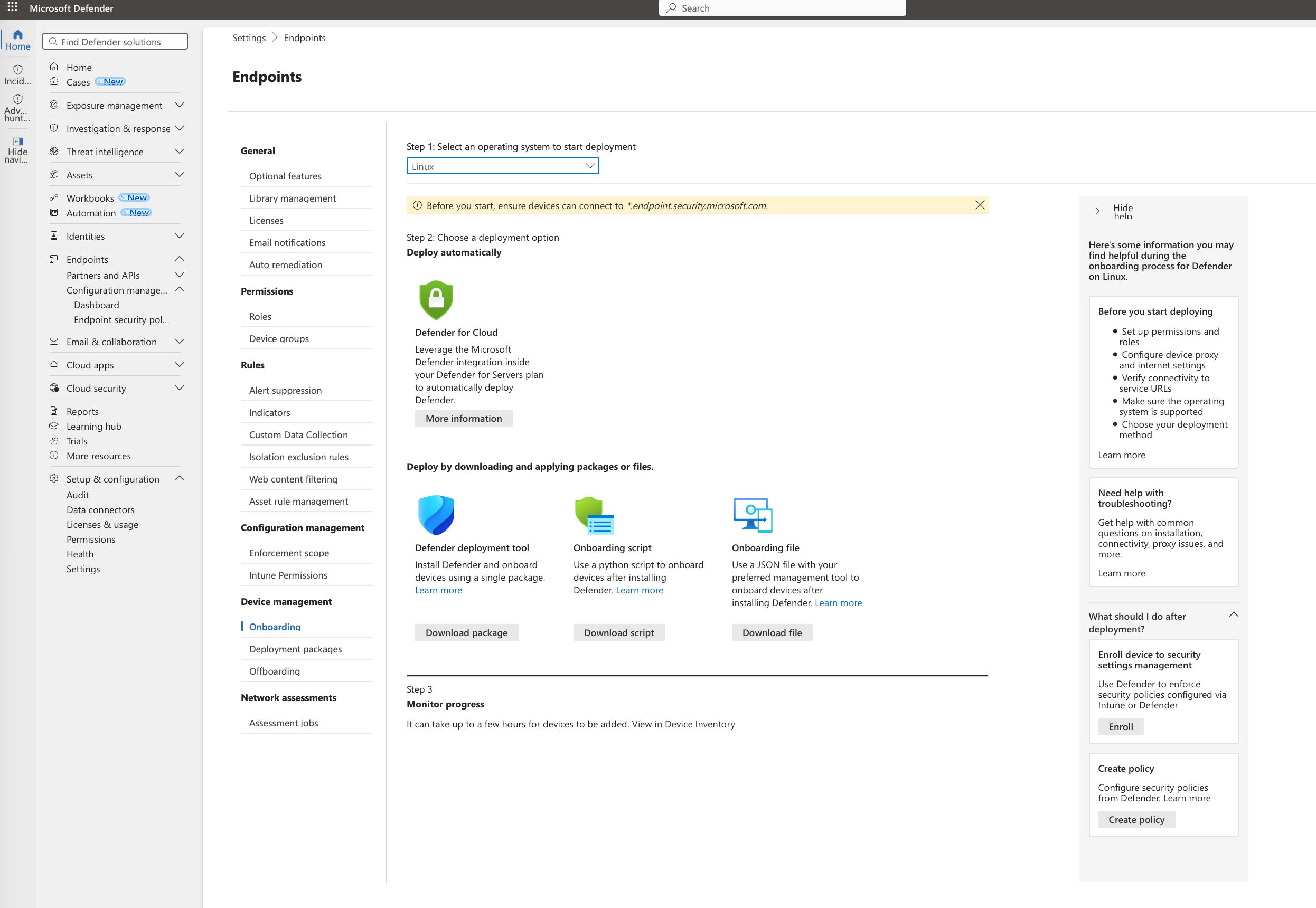
Defender for Linux is designed to respond to threats by providing additional threat-hunting capabilities, isolating infected devices, and more. These are the same tools that corporate security teams already rely on to protect Windows environments, Microsoft said. The idea is to let security teams manage Linux systems using familiar tools and workflows.
By offering dedicated Defender protection for Linux, Microsoft believes enterprise customers can better integrate Linux systems into their existing infrastructure. The endpoint security solution is designed to be easy to deploy on both desktops and servers, while reducing operational complexity and improving security in developer-heavy environments.
Microsoft Defender for Endpoint already supports a long list of major Linux distributions, including RHEL, Ubuntu, Debian, SUSE, Fedora, and Oracle Linux. Support extends to both desktop and server editions of these operating systems, allowing organizations to manage protection across their Linux environments.
The new security solution is available to customers with a Microsoft Defender for Endpoint Plan 2 subscription or a Microsoft 365 E5 or E7 subscription. Microsoft said Defender customers can manage threat response and analysis through a centralized portal, even when their Linux systems run in external cloud environments or remote data centers.