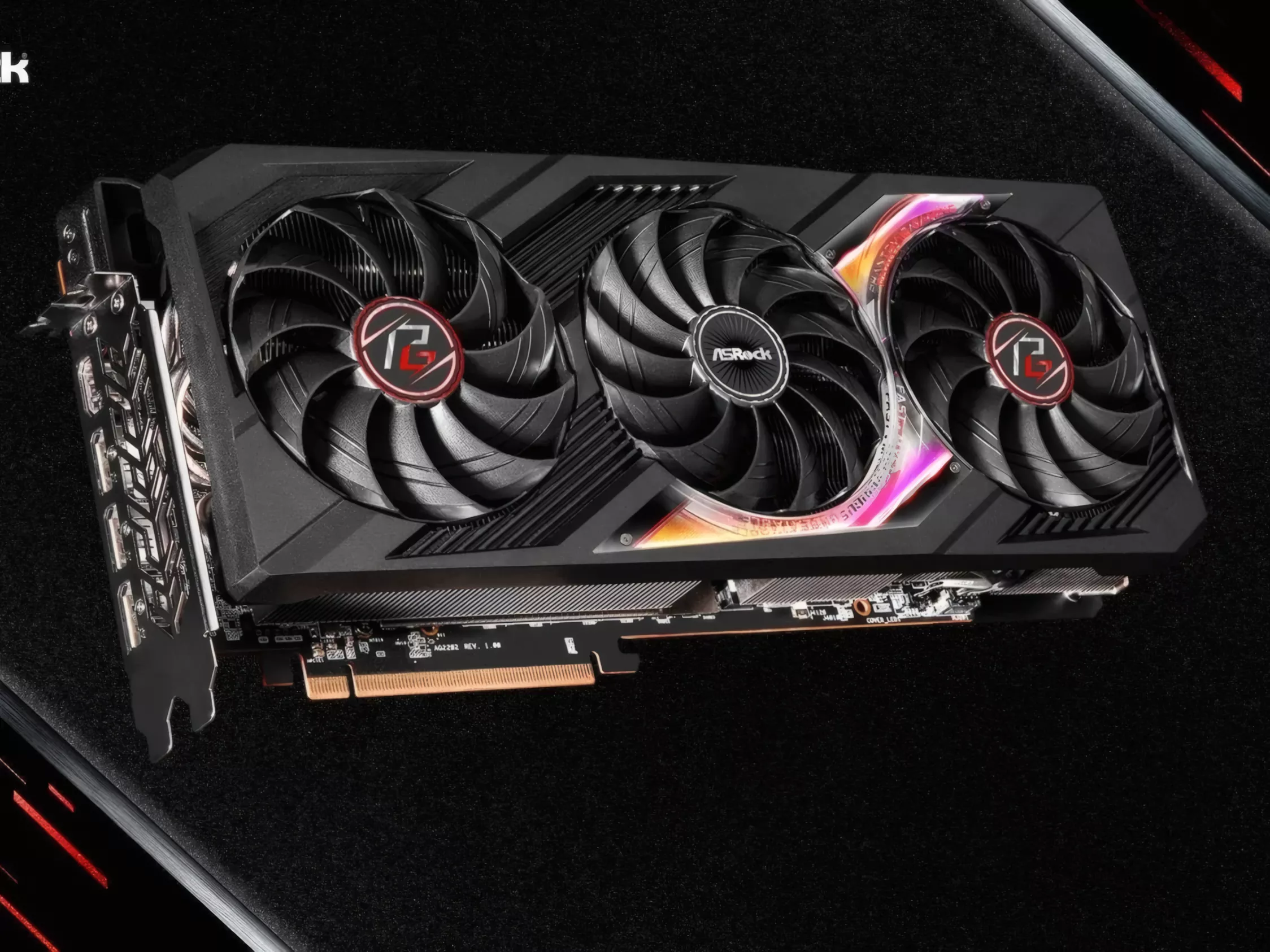
Facepalm: If you have an Asrock Radeon 7000-series graphics card, here's some good news: the company is rolling out a replacement firmware update after the previous version reportedly bricked some RX 7900 XT and RX 7900 XTX GPUs. The less welcome news is that the company hasn't said what it plans to do for users whose cards were borked.
As VideoCardz reports, the new RX 7900 XTX download carries the ASRVBFlash 1.0.6 label and a November 6 date. It replaces version 1.0.5, but there's no changelog explaining what's new or confirmation that the problems with the previous release have been fixed. That's not exactly reassuring for anyone considering another attempted update.
The original downloads arrived on October 29, covering ten Asrock models ranging from the RX 7600 XT to the RX 7900 XTX. They followed similar security-related firmware releases from Sapphire and Gigabyte, although Asrock's descriptions offered little beyond the flashing utility's version number.
Some owners soon reported that running the updater left their systems unable to boot. Windows would restart during the process, after which the machine failed to POST with the graphics card installed. Removing the GPU allowed affected systems to start again.
A moderator on Asrock's forum wrote that the failed flashes were due to graphics drivers not being completely removed beforehand. But one owner replied that they had used the uninstaller specified in the instructions and still ended up with a nonworking card.
Some users have recovered their GPUs using external EEPROM programmers. While that's encouraging for those affected, buying specialist equipment to rescue a graphics card after installing its manufacturer's update is hardly something for Asrock brag about.
It's also reported that a Japanese customer received an assurance from Asrock that the failed update would be covered under the company's warranty. Things don't look as positive for one European owner, though. They were directed toward warranty service, even though their card was out of warranty. It remains unclear what support other affected card owners will receive.
Asrock is no stranger to controversy over its firmware. In April 2025, AMD and Asrock pointed to memory compatibility amid multiple reports of Ryzen 9000 failures. The following month, an Asrock executive acknowledged that its BIOS settings were responsible, with current limits set too high for early CPU samples.