
Ripple effect: Most airport meltdowns start with a storm or a single airline's IT going sideways. On Friday, it was the network underneath US air traffic control itself. The FAA halted every departure in the country for more than four hours after that network crashed, reportedly right after a software update.
On Friday alone, more than 4,700 flights were canceled and around 10,000 delayed, according to Flightradar24 data cited by Reuters. It's only the third nationwide ground stop in US history, after 9/11 and the 2023 NOTAM outage.
Oddly enough, that one also began with maintenance work, when a contractor accidentally deleted files while syncing two databases.
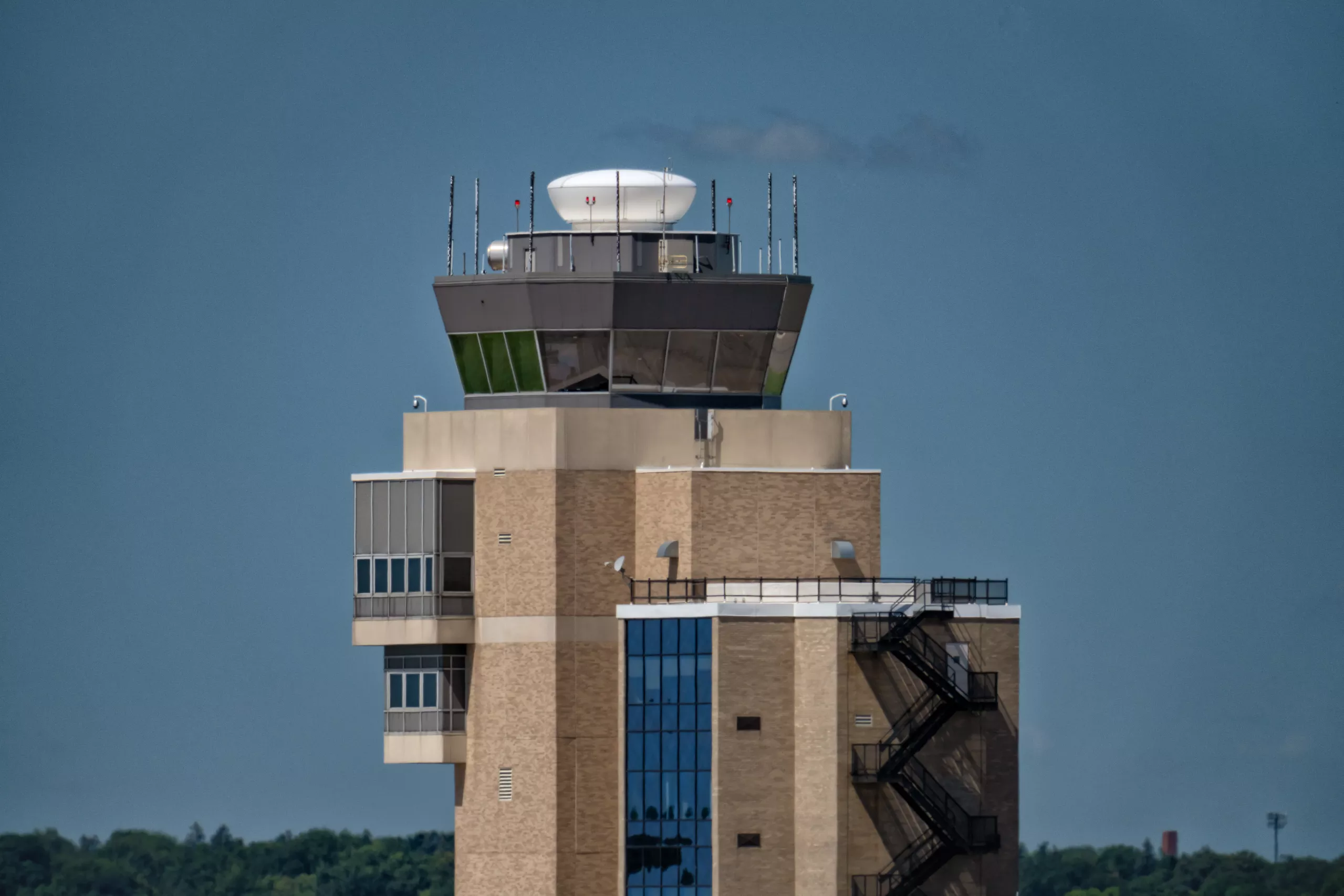
The network in question is the FAA Telecommunications Infrastructure, or FTI, which defense contractor L3Harris runs for the agency. It ties every tower, radar site and control center in the country together, carrying voice, radar, weather and flight data between them. So when it went down, it hit all of the Air Route Traffic Control Centers at once – the facilities that guide planes at cruising altitude.
Multiple sources told CBS News that an update to FTI forced a reboot that crashed the system. At an evening White House briefing, Transportation Secretary Sean Duffy said the routers "got overloaded with data" and started spitting out inconsistent readings, so the FAA shut things down. At the same briefing, Homeland Security Secretary Markwayne Mullin said new security patches added to the older system appeared to overwhelm its routers.
Those mismatched readings are likely why the FAA went nationwide instead of working around a few broken centers. A dead radio link is easy for a controller to spot. But a router quietly passing along bad radar or flight data makes it hard to trust anything on the screen. Duffy said controllers never lost communications or radar entirely, though, so the more than 3,000 flights already airborne could still land safely.
Officials have since ruled out a cyberattack and the FAA's new AI traffic tool. Still, the aging telecom backbone was already a known weak spot. A Government Accountability Office report from September found that only about half of the FAA's 5,170 copper lines from the 1960s had been swapped for fiber by May, warning that the agency was "buying delivery speed at the risk of... potential disruptions."
The FAA has already tapped AT&T to build the network that replaces FTI by the end of 2028, as part of the same overhaul that's finally retiring floppy disks. In the meantime, cancellations are expected to spill well into the weekend, though Duffy expects schedules to recover before the Thanksgiving rush.