Facepalm: JPMorgan Chase, Visa, and Mastercard have disclosed that a recent cyberattack targeting some of their third-party service providers has exposed critical customer data, including names and email addresses. The confirmation comes days after a relatively new ransomware group called "n0n" claimed to have leaked customer records of the three companies on the dark web.
According to Reuters, the leaked names and email addresses belong to more than 16,000 customers and 124 bank employees. "Some" phone numbers and partial home addresses, including ZIP codes, are also said to be part of the exfiltrated data. All three companies claim that critical financial data and payment card information were not exposed, and that core banking services remained unaffected.
In an X post, JPMorgan Chase claimed that the cyberattacks did not impact its systems and that its services were not disrupted. The company added that it will contact affected customers and offer support, including complimentary credit monitoring. However, it denied that the service disruptions earlier in the week were related to the cyberattack, attributing them to a software bug instead.
– Chase (@Chase) November 19, 2026
A Mastercard spokesperson told Business Insider that the incident only exposed a "limited amount of email addresses" from a "small subset" of cardholders enrolled in a benefit program, and that it hasn't impacted the company's payment network. They added that the exposure has been contained, and that the company is now working with the vendor to provide support to affected customers.
Visa also told the publication that the leak stemmed from one of its vendors, and that its own systems remain unaffected. A company spokesperson said, "No payments data such as card numbers were affected," but they did not say whether other customer information, such as home addresses and account numbers, were impacted.
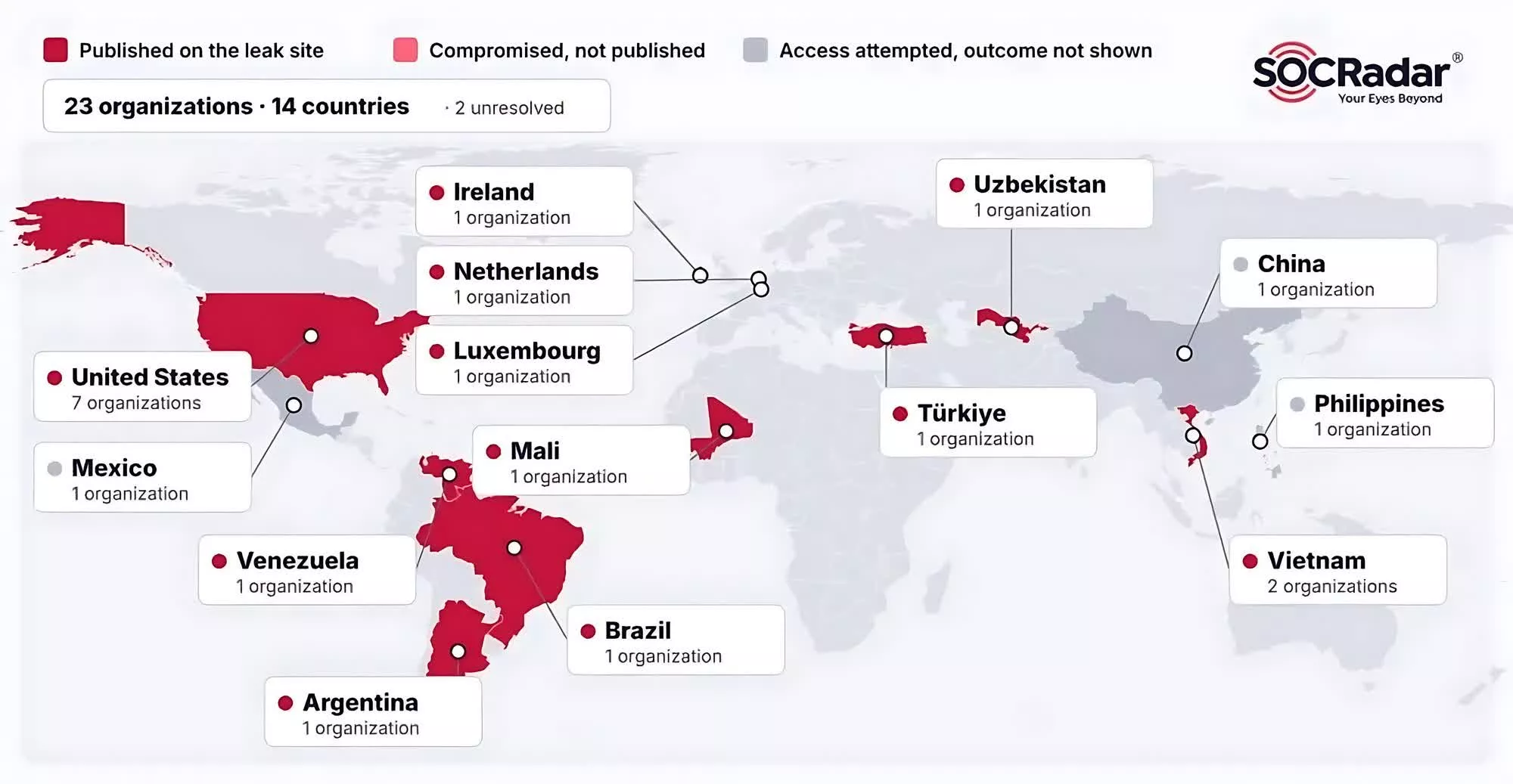
While Visa customers in Hong Kong, Japan, Singapore, Australia, and South Korea were reportedly affected by the breach, Mastercard reported that its customers in North America, the Middle East, and Africa were among the victims. JPMorgan Chase revealed that high-net-worth Reserve cardholders in North America were affected.
The attack was reportedly orchestrated by a ransomware syndicate identified as "n0n." The group's activities were detailed last September by cyber threat intelligence researchers at SocRadar, who described n0n as an AI-powered extortion racket that infiltrated at least 93 organizations across 18 countries, with total ransom demands of $283.7 million.
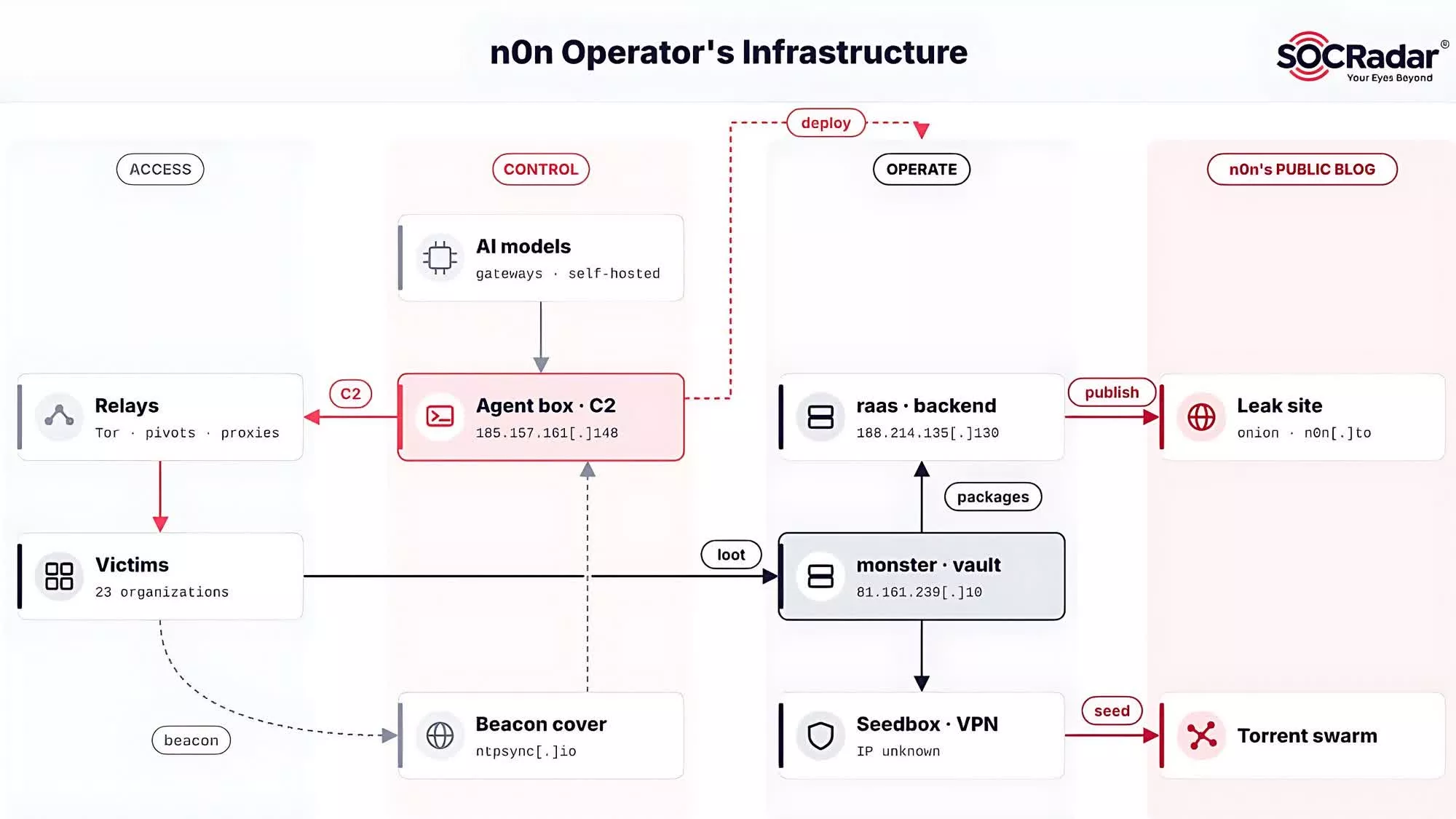
The attacks reportedly relied on weak or stolen credentials rather than software vulnerabilities. Victims are said to include at least three US entities: a sports retailer, a cloud provider, and a teachers' union. Global organizations and government agencies successfully targeted by the group include a Venezuelan ISP, an Argentine ministry, and a pharmaceutical subsidiary.
Cybersecurity firm Check Point found that n0n's cybercrime operations grew exponentially between September and November, accounting for 8% of all published attacks during this period. The ransomware syndicate claimed to have successfully targeted more than 170 victims worldwide by early November, with most of the attacks believed to have been carried out using AI-assisted tooling.