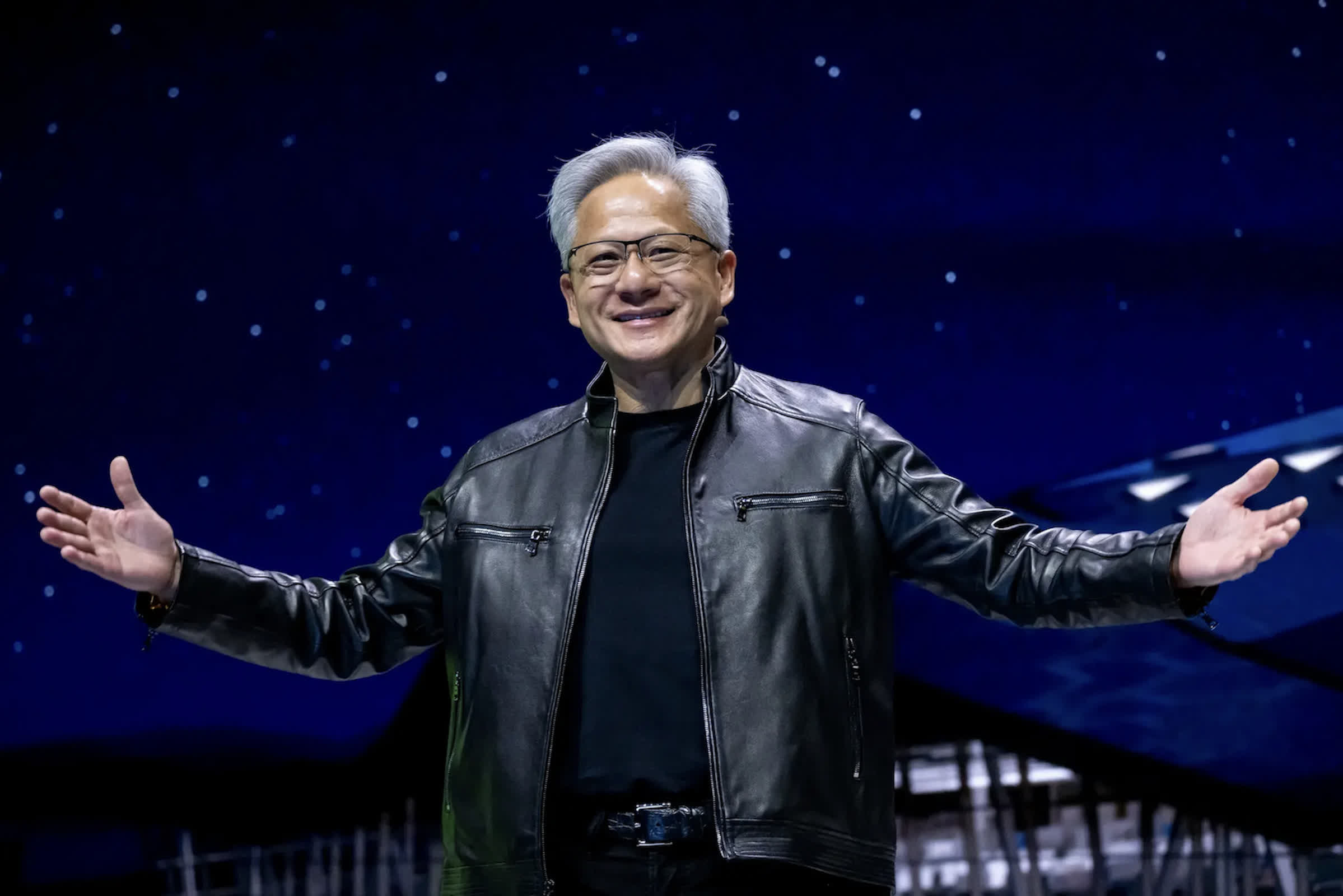
Big quote: Nvidia went 11 days without Jensen Huang as CEO, and his return hasn't changed the chipmaker's approach to succession: it still has no formal plan. At his first all-hands meeting since being reinstated, Huang told employees the company had shown it could operate without him and argued that the board should choose his successor based on what Nvidia needs when he leaves. But for a firm whose chips, deals, and investments give it influence across the AI industry, keeping the business running through a brief absence presents a different challenge than deciding who will set its next direction.
Nvidia's board accepted Huang's resignation after raising concerns about his conduct and candor, then reinstated him on Monday. Chief financial officer Colette Kress ran the company in the interim, but Huang's departure drew criticism from Wall Street over the lack of a clear internal successor. "All day long, this company can run autonomously, and you saw it," Huang told staff.
Huang pointed to the breadth of Nvidia's leadership to explain why he saw no need to designate a successor. He described his 60 direct reports as effectively running their own businesses within the company, giving directors a pool of executives to choose from rather than a single heir apparent. "The idea of succession planning is not flawed. What people think succession planning means is flawed," he said.
That approach gives the board room to decide what kind of leader it needs, but it leaves the choice open until a transition is at hand. One issue already facing Nvidia that its next CEO could inherit is the ongoing scrutiny of its compliance with US chip export controls.
Huang also addressed Washington's role in his return. He denied that senior government officials were responsible for his reinstatement and said the decision belonged to Nvidia's directors. However, it has been reported that President Donald Trump called into a board meeting to urge directors to bring Huang back. The CEO told staff he would advise Trump on policy and would do the same for a future president.
– WallStreetBets (@wallstreetbets) November 23, 2026
Inside Nvidia, Huang acknowledged violating company policy and said managers would weigh the facts of each case, the same discretion he defended in explaining the board's decision to give him another chance. "But 'it won't be tolerated' does not mean the moment you violate a code of conduct, we walk you out the door," he said.
Huang also said he was spending 90 minutes a day in therapy and acknowledged that his management style could undercut the people he relied on to run the company. "When I go too far, it hurts people, it belittles them, it disempowers them," he said. He told staff he would seek regular feedback from colleagues through a 360-degree review, a process he said he would undergo himself rather than make mandatory across Nvidia.