
If you're building a new PC or considering a platform upgrade, choosing the right CPU in late 2026 presents an unusual dilemma. There are plenty of good processors covering a wide range of prices, and some holiday deals, particularly on Intel CPUs, are outstanding. But with DDR5 memory prices through the roof and new processors from both Intel and AMD on the horizon, this might not be the best time to invest in an entirely new platform.
In fact, if you can afford to wait, that's exactly what we'd recommend. Intel's next-generation Nova Lake processors are expected in early 2027, potentially within the first quarter, with AMD's Zen 6 series likely following a little later. Faster CPUs are just around the corner, and their arrival should put downward pressure on pricing for existing hardware.
Of course, not everyone can wait. If you need a new PC today, there are some excellent deals worth considering, including a few that challenge our usual advice about avoiding dead-end platforms.
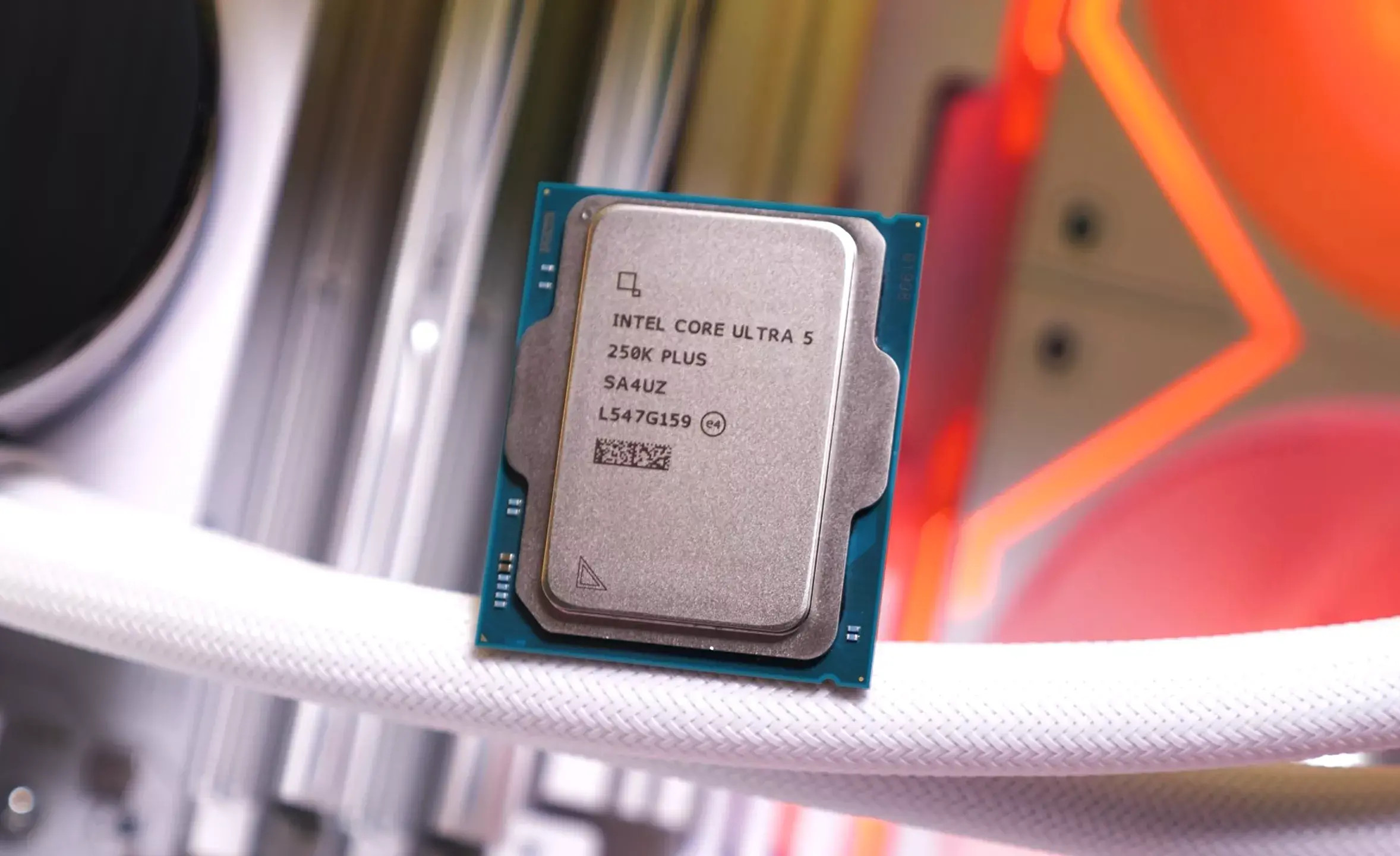
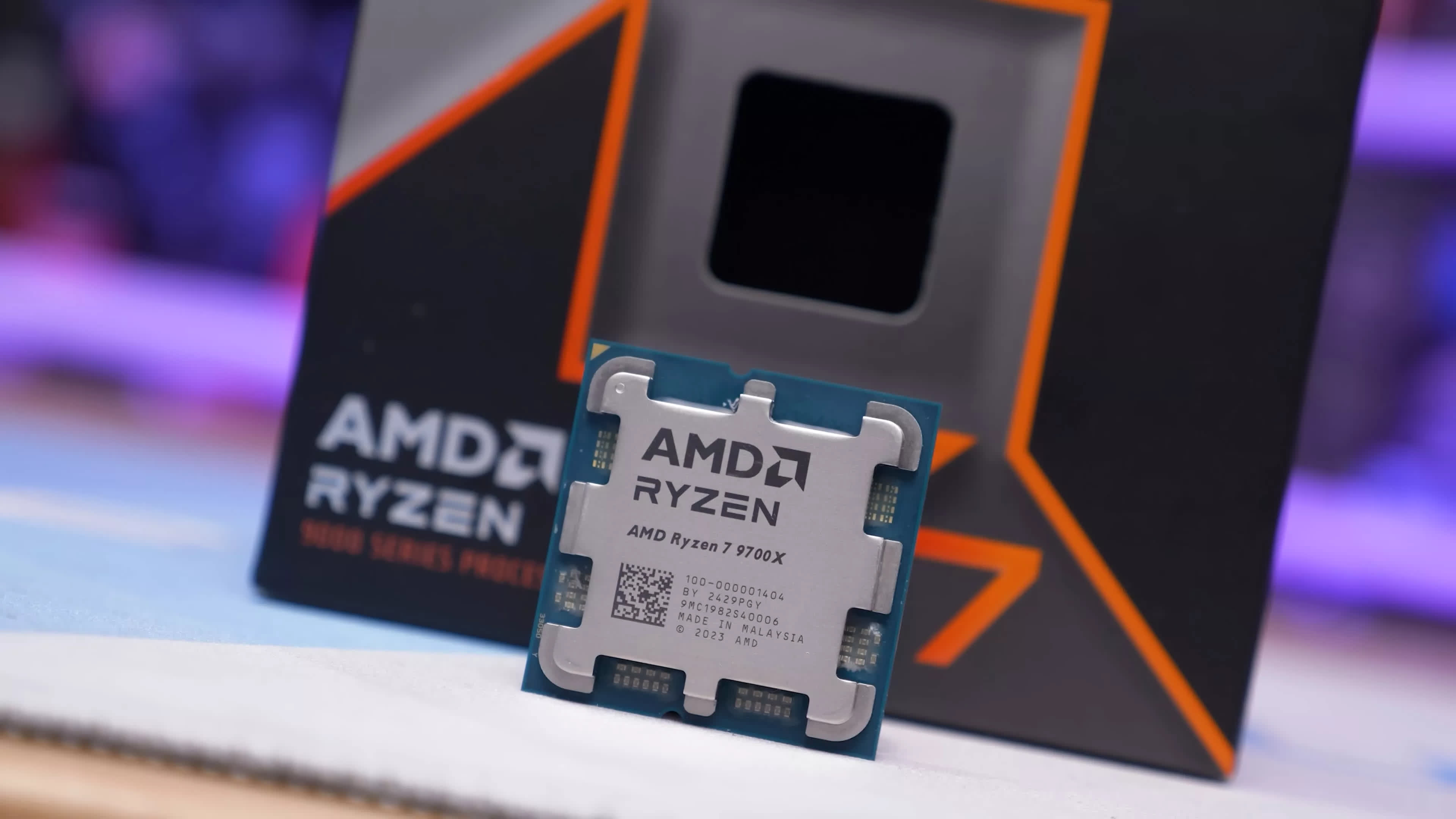
Intel's Core Ultra 5 250K Plus and Core Ultra 7 270K Plus are particularly attractive right now, with some frankly insane discounts. Amazon has been among those offering the most aggressive deals, though it's hard to say how long those will last. Availability and pricing vary considerably by region, however. In Australia, for example, the 250K Plus is still around $300 AUD, though that's considerably less than the Ryzen 7 9700X, which costs $385 AUD even after Amazon's discount.
As we've noted repeatedly, we normally wouldn't recommend investing in Intel's LGA1851 platform, given its limited upgrade path. But at current prices, you're effectively getting the motherboard for free compared to competing AMD configurations. The other major consideration is memory pricing. DDR5 has become painfully expensive, making older DDR4 platforms attractive again, especially for anyone who already owns a decent memory kit.
The AI bubble also looks like it might be losing some air, it's impossible to predict what will happen, but NAND flash prices have been dropping lately, falling by around 20% in recent weeks.
With all that in mind, we've updated our CPU recommendations to reflect current pricing and the unusual state of the market. We'll start with the best affordable DDR4 options, move on to DDR5, and then look at the processors offering the most performance for your money.

- Best Entry-Level Platform Upgrade (DDR4)
- Best Gaming Platform Upgrade (DDR4)
- Best Entry-Level Platform Upgrade (DDR5)
- Best CPU for ~$200
- Best Value Productivity CPU
- Best Gaming CPU
Best Entry-Level Platform Upgrade (DDR4)
Ryzen 7 5700X or Core i5-14400F
 Tech Specs

Let's start with the cheapest worthwhile hardware options available right now. The premise for this category is simple: you need a new PC or a complete platform upgrade, but don't want to pay current DDR5 prices, perhaps because you already own a decent DDR4 kit.
As it stands, a basic 16GB DDR5 memory kit costs roughly twice as much as DDR4, at around $260 versus $130. For budget builders who can get away with 16GB of memory, DDR4 is considerably more attractive, even if it means investing in older platforms such as AM4 or LGA1700.
So what are the options? As usual, availability and pricing will depend on your region, especially since many of these processors are quite old now.
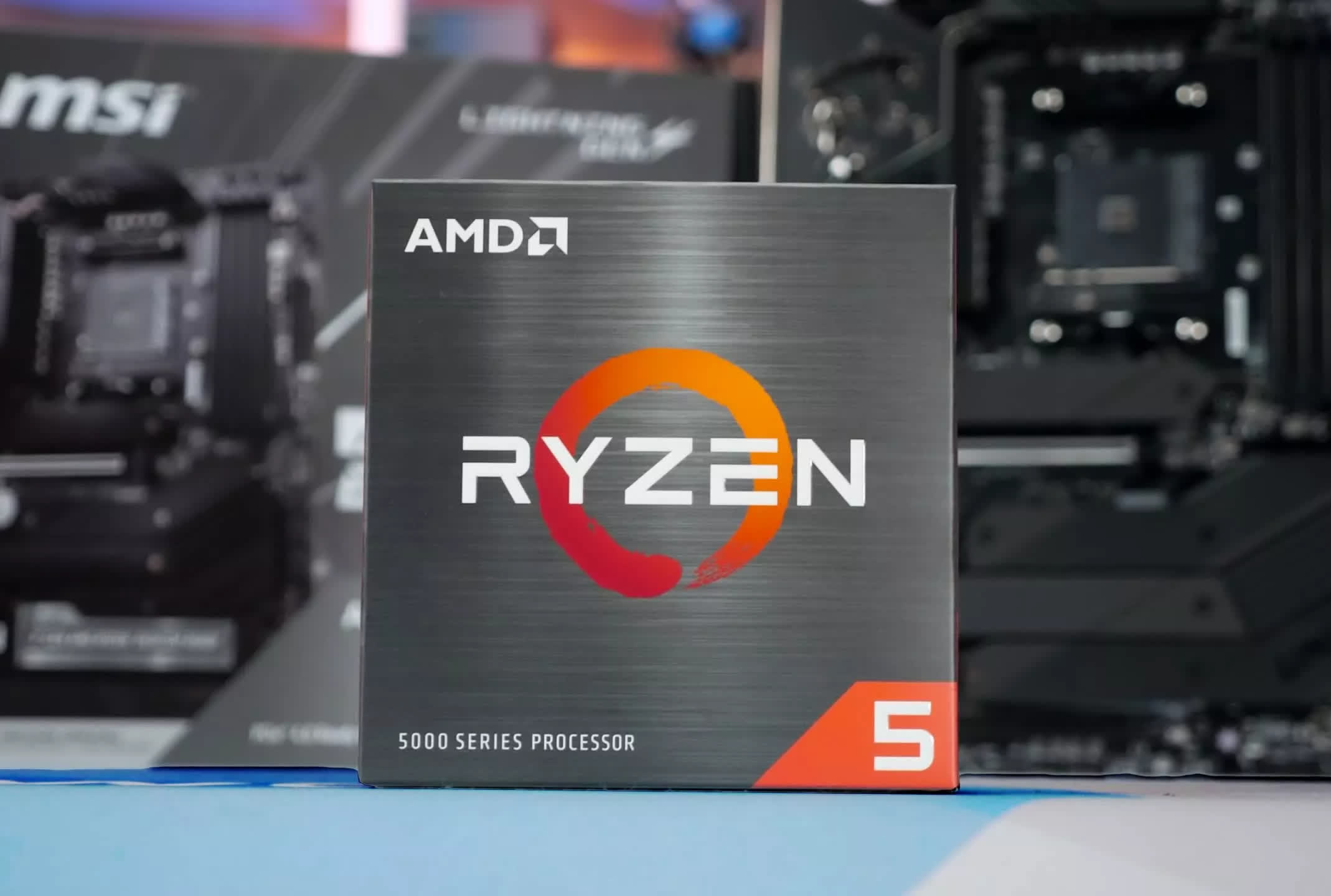
Starting with AMD, the cheapest AM4 processor worth considering is the Ryzen 5 5600 or 5600X, whichever is cheaper or more readily available. The Ryzen 5 5500 has been a popular choice at $90. While its name suggests it's simply a slightly downclocked 5600, it's actually a much worse processor, featuring an entirely different design with just half the L3 cache. As a result, it performs more like a Ryzen 5 3600 than a 5600, making it difficult to justify the $45 saving over the 5600X.
Beyond the 5600 models, there's the Ryzen 7 5700X, currently on sale for $160, just $25 more than the 5600. Frankly, it's well worth coughing up the extra cash if you can. The 5700X packs two additional cores and is generally a little faster for gaming, while offering a much more substantial improvement in productivity performance. We should also point out that there's a Ryzen 7 5700 (non-X), which you should avoid like the plague. Essentially, it's an 8-core version of the Ryzen 5 5500, meaning it features a cut-down 16MB L3 cache rather than the 32MB found in the 5700X and 5800X.

Turning to Intel, your DDR4 options are limited to the LGA1700 platform, which supports 12th-, 13th-, and 14th-generation Core processors. Again, availability and pricing will vary considerably.
In the US, the Core i3-14100F costs around $105, but it's only a quad-core processor, so we'd avoid it. That leaves the Core i5-14400F at $155 as Intel's best budget DDR4 option. It packs six P-cores, four E-cores, and 20MB of L3 cache. The 14400F is slightly faster than the Ryzen 5 5600 for gaming while offering superior productivity performance, largely thanks to those additional E-cores. It currently costs about 15% more, but the extra performance helps offset the price increase.
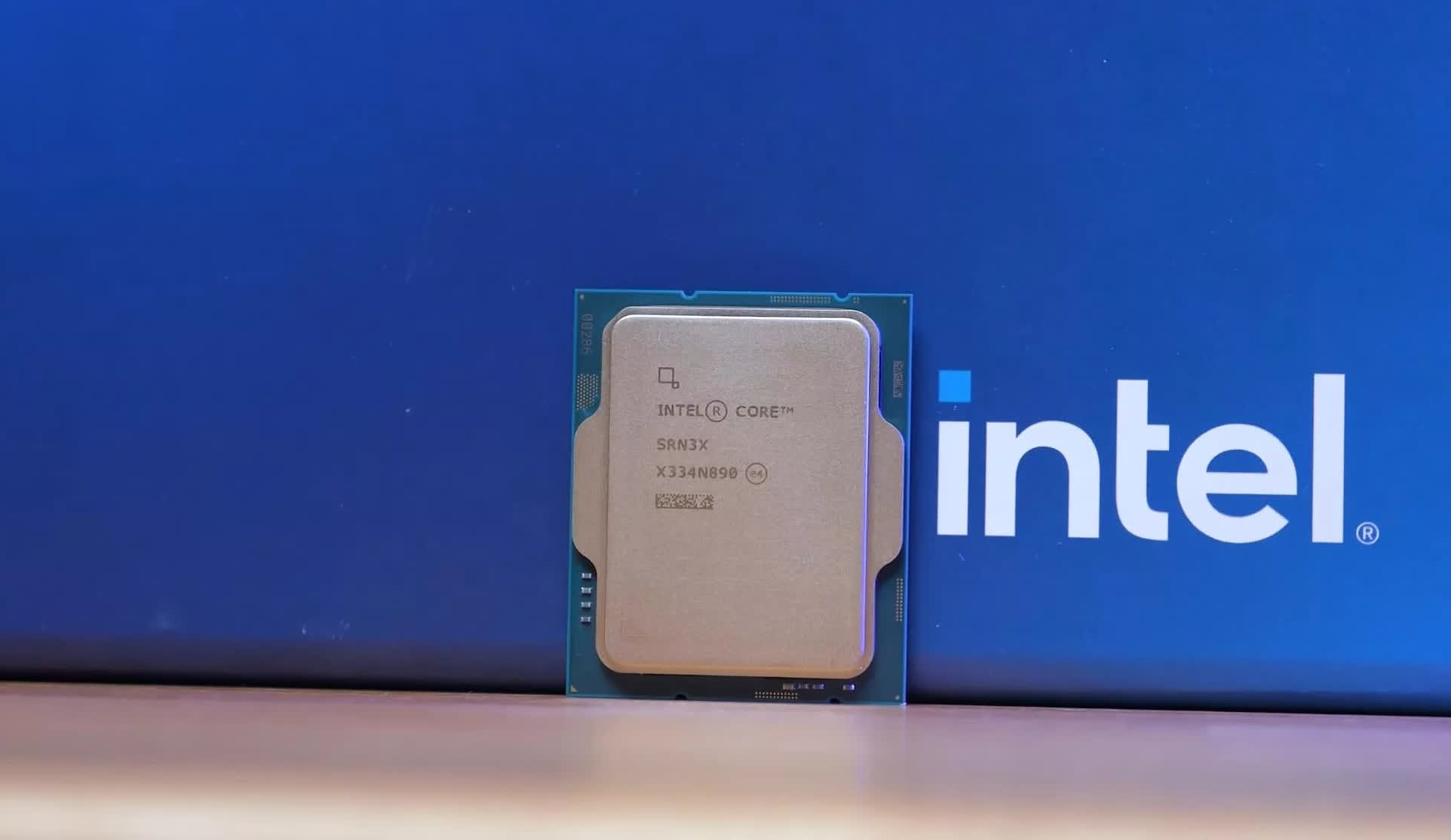
Beyond that, you're looking at spending over $200 on something like the Core i5-14600KF at $230 or the Core i7-12700KF at $285, which is well beyond entry-level territory.
So which DDR4-compatible CPU should you buy for under $200? Your main options are the Ryzen 5 5600 at $135, the Core i5-14400F at $155, and the Ryzen 7 5700X at $160.
We think the 5700X is a better buy than the 5600 at those prices, so it really comes down to the 5700X versus the 14400F. There's no wrong choice here. They're quite similar in performance, especially for gaming, so the decision will largely depend on pricing and availability in your region.
Best Gaming Platform Upgrade (DDR4)
Intel Core i5-14600KF
What if you want to build the fastest gaming PC you can while still using DDR4 memory, either because you don't want to pay today's DDR5 prices or because you already own a good DDR4 kit?
Right now, the most viable options include the Intel Core i5-14600KF at $230, the Core i7-12700KF at $285, and the Ryzen 7 5800X3D at $320. In a normal market, the 14600KF at $230 wouldn't be particularly appealing. You'd be better off investing in AMD's AM5 platform or buying something even cheaper and slightly faster, such as the Core Ultra 5 250K Plus.
Sadly, we're not in a normal market, and those alternatives all require DDR5 memory. For anyone specifically looking for a DDR4 solution, the 14600KF is therefore extremely attractive and easily our top recommendation.
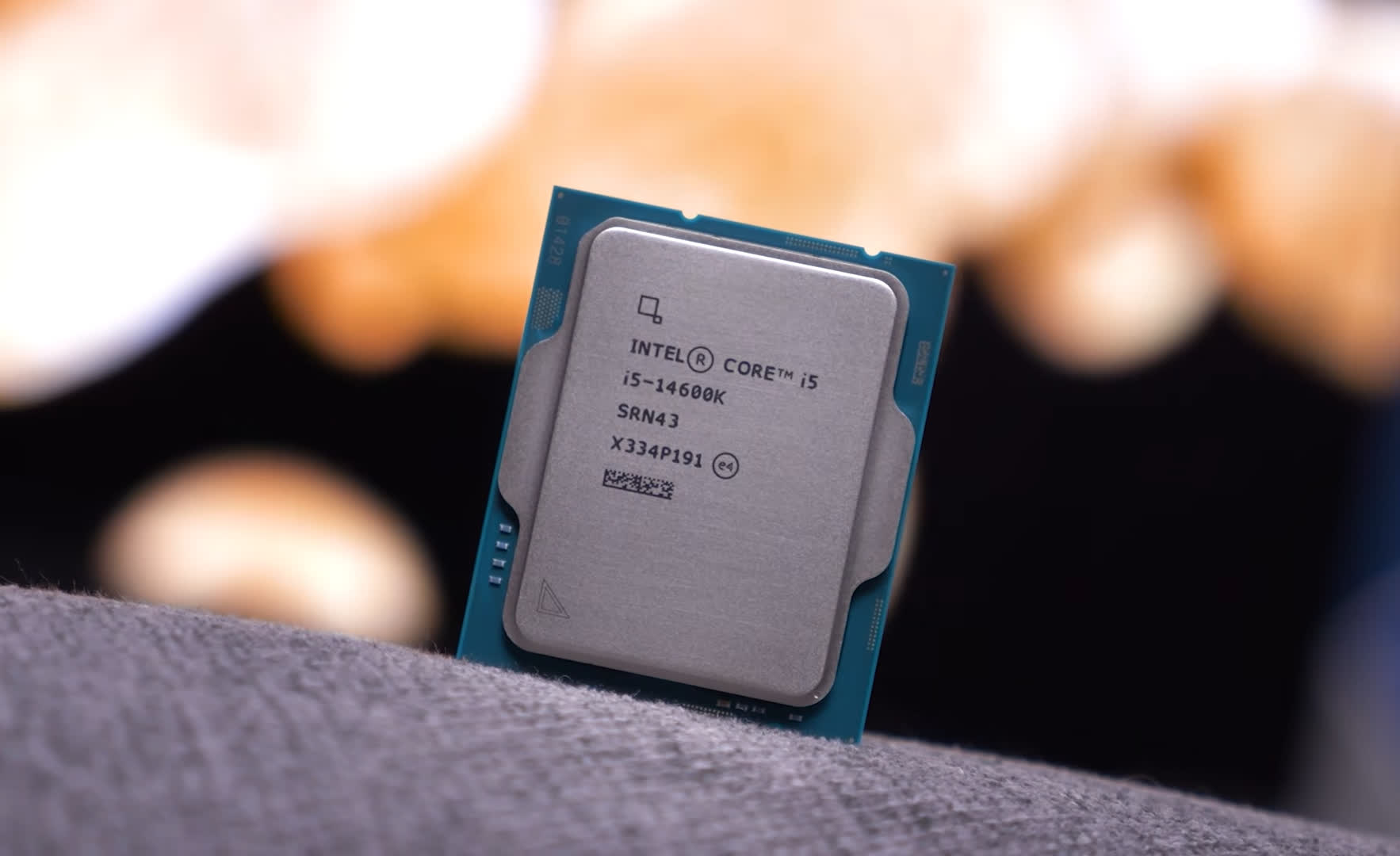
Overall gaming performance is very similar to the 5800X3D, but at almost a 30% discount, the Core i5 represents considerably better value. The 14600KF also outperforms the 12700KF, offering better single-core and multi-core performance, so there's little reason to spend another $55 on the older Core i7.
If you're after the best-performing processor that still supports DDR4 memory without breaking the bank, the 14600KF is the one to get. Obviously, the fastest LGA1700 processor is the Core i9-14900K, but even the KF variant starts at $430, and it's absolutely not worth paying almost twice as much as the Core i5-14600KF.
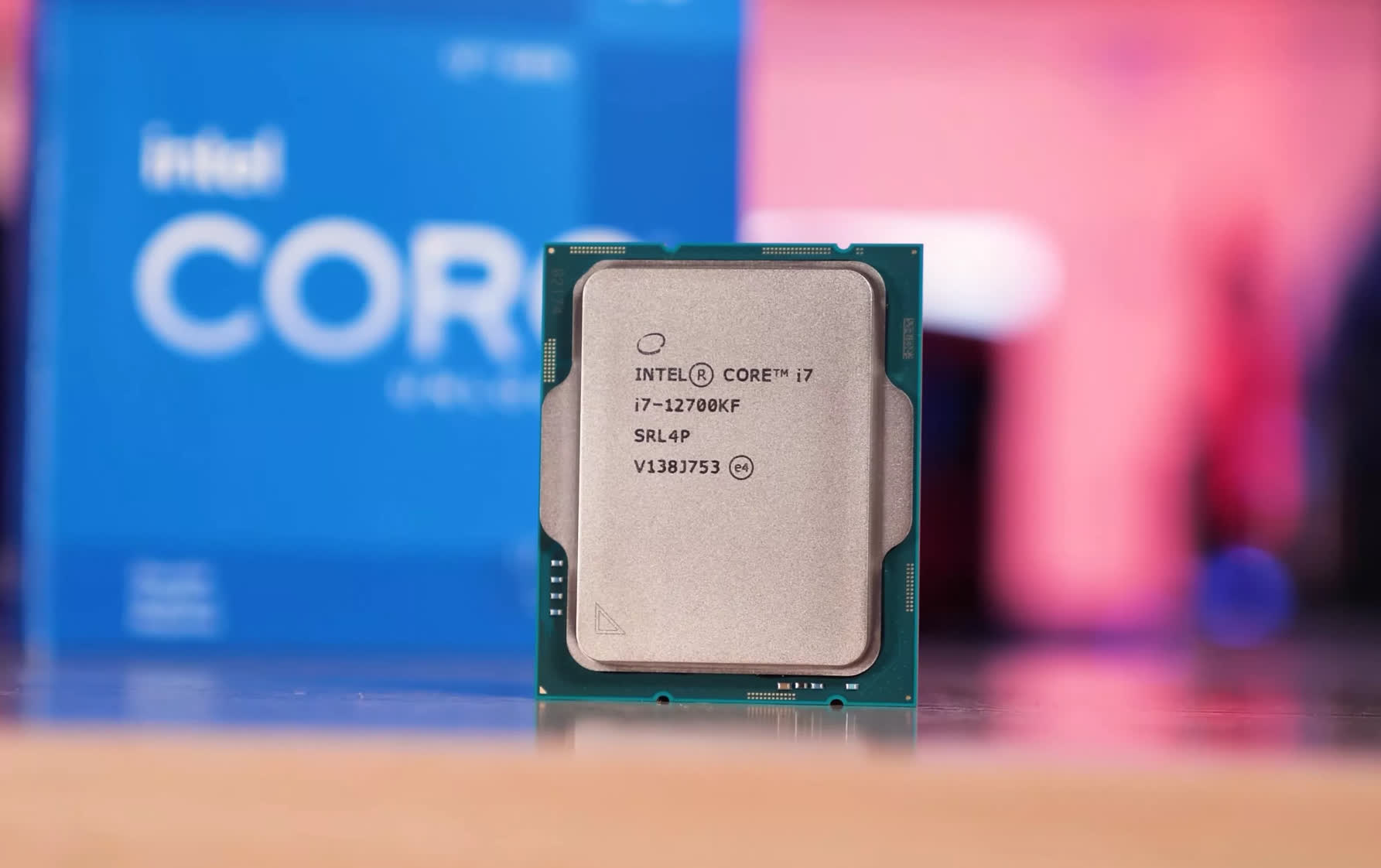
The 13th- and 14th-generation Core i7 and Core i9 processors have also been plagued by stability issues. While Intel has introduced fixes intended to address those problems, we can't say for certain that every affected processor is in the clear.
On that note, we strongly recommend avoiding second-hand 13th- or 14th-gen Core i7 and i9 processors. Many have suffered degradation that can lead to stability problems or poor performance, and there's no reliable way to know what you're getting.
Best Entry-Level Platform Upgrade (DDR5)
AMD Ryzen 5 7500F
Sadly, budget CPU options remain pretty miserable, especially if you want to move to AMD's or Intel's latest platform. On Intel's side, the Core Ultra 5 225F is its cheapest current-generation offering, and at $160, it's pretty horrible. Despite packing six P-cores and four E-cores, it only delivers multi-core performance comparable to the Ryzen 5 7500F while being considerably slower for gaming.
Several factors hurt the 225F's performance. One is its 4.9GHz boost clock, but the bigger issue is the measly 20MB L3 cache, the smallest cache capacity of any Core Ultra 200 series processor. That's a significant problem given that these CPUs aren't particularly impressive for gaming to begin with. Even if the 225F were considerably more competitive, you'd still have the problem of buying into a dead platform.
The LGA1851 socket won't support any future CPU architectures, making it effectively a dead end. Intel's upcoming Nova Lake-S desktop processors will use the new LGA1954 socket, which is incompatible with LGA1851.
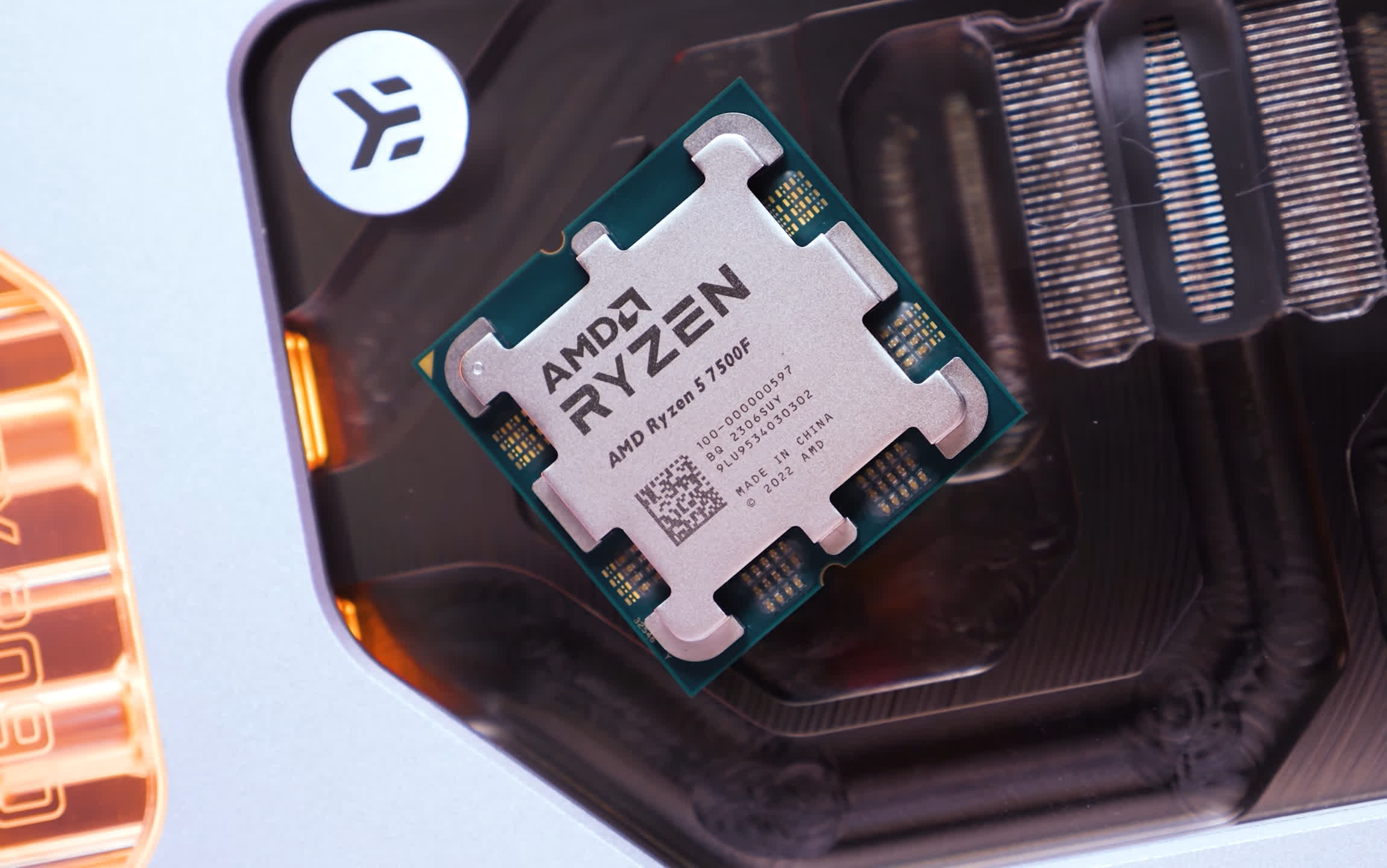
So if you're building a new PC or performing a complete platform upgrade with DDR5 memory, it's difficult to justify investing in a platform with no future CPU upgrade path. That really leaves AMD's AM5 platform as the only viable option for budget builders right now.
This is why we continue to recommend the Ryzen 5 7500F for budget gamers, though the older Core i5 processors are potentially better investments for productivity workloads. For gaming, however, the 7500F is only slightly slower than those older Core i5 models, making it an excellent value choice, particularly given AM5's much stronger upgrade path.
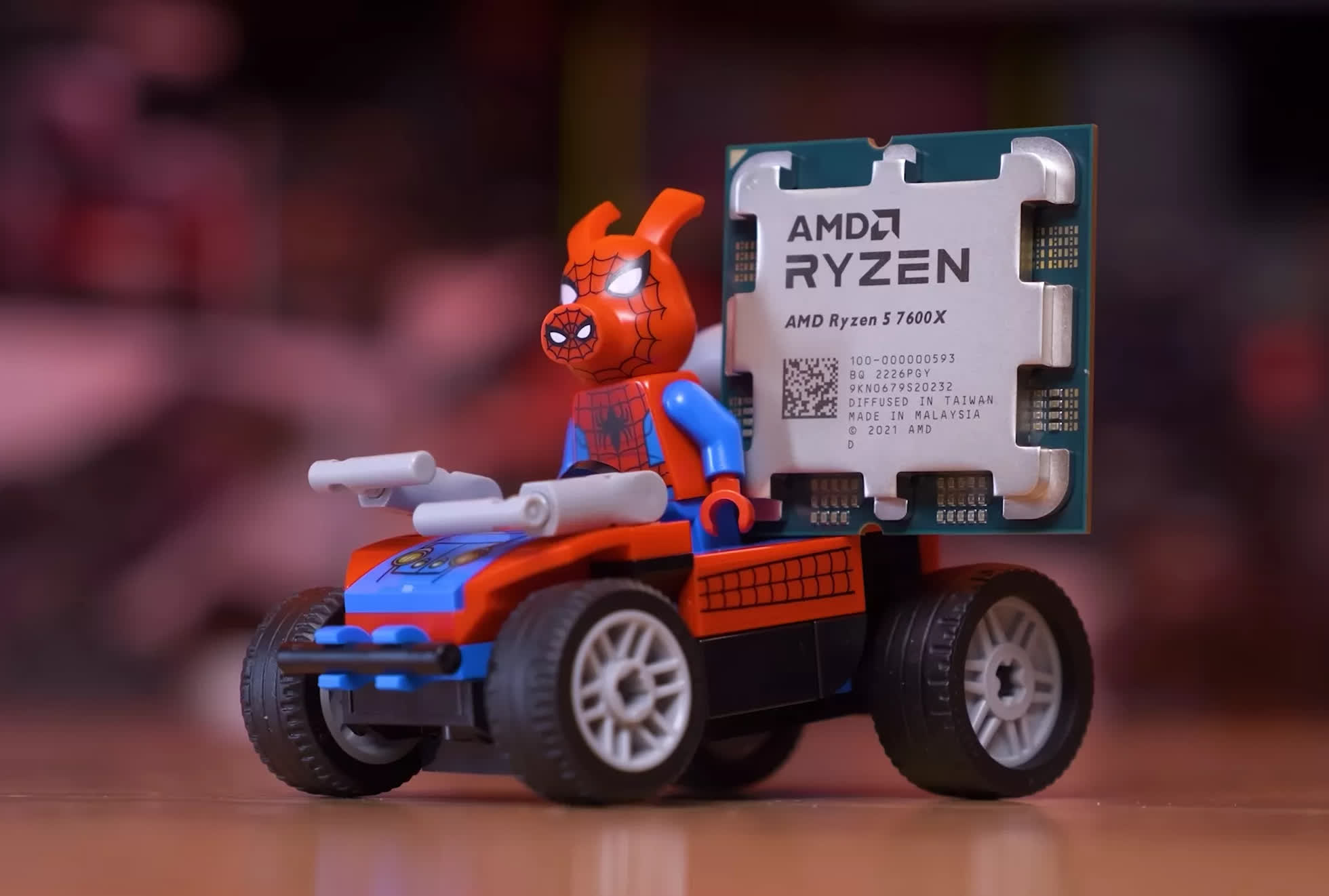
The main downside is availability, as the 7500F isn't officially sold in every region. In the US, it's not generally available through local retailers, but you can order it from AliExpress for around $120. Alternatively, the Ryzen 5 7600X costs $185 at most retailers, although AMD's store on Amazon currently has it for just $165, making it a reasonable alternative to the imported 7500F.
Best CPU for ~$200
Intel Core Ultra 5 250K Plus
If we ignore future platform upgrades and simply focus on getting the most CPU performance for your money, there's one standout option that's become irresistibly cheap. Whether you're gaming, working, or doing just about anything else, the Core Ultra 5 250K Plus is the CPU to get right now.
Retailers such as Newegg have the 250K Plus for around $170, but Amazon is currently offering it for just $140 to eligible Amazon Visa cardholders, thanks to a $60 discount on its $200 list price. At that price, it's an absolute steal.
The 250K Plus packs six P-cores clocked up to 5.3GHz with a shared 30MB L3 cache, along with 12 E-cores. It also features a 43% increase in die-to-die frequency, jumping from 2.1GHz to 3GHz. This improvement addresses many of the latency issues found in the original Arrow Lake processors, leading to substantially better gaming performance.
AMD is currently floundering at this price point. While the Ryzen 7 9700X might deliver similar gaming performance, the 250K Plus is up to 50% faster in core-heavy productivity workloads.
To get comparable gaming and productivity performance from AMD, you'd need to spend at least $300 on the Ryzen 9 7900X, though that processor can be a bit sketchy for gaming at times. Ideally, you'd want the Ryzen 9 9900X, but that processor costs around $330, making it more than twice as expensive as the 250K Plus at Amazon's promotional price.
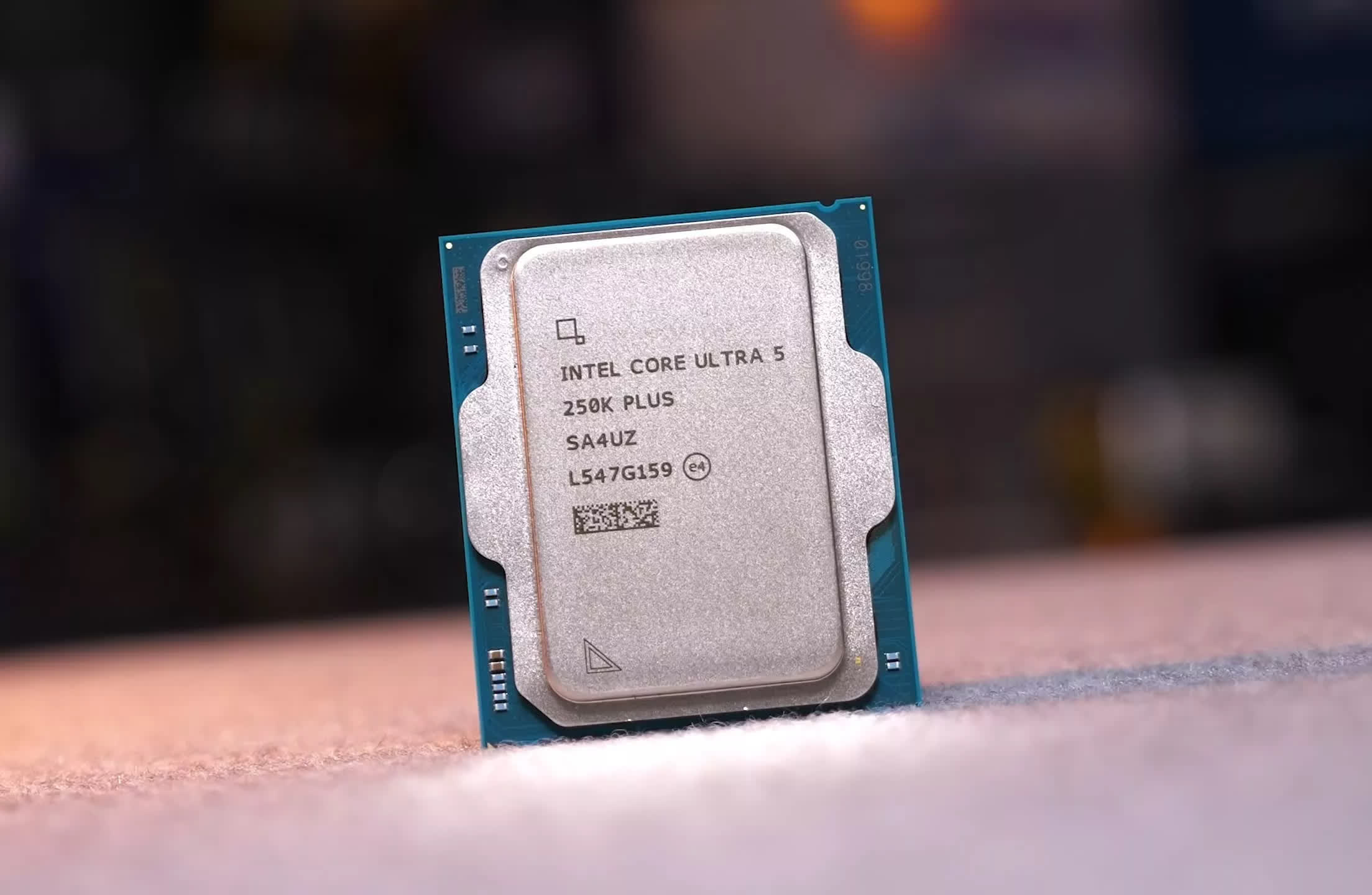
That means you can currently buy the 250K Plus along with a quality Z890 motherboard for roughly the same price as the Ryzen 9 9900X alone, making Intel's dead-platform issue a complete non-issue from a financial perspective. So while we normally wouldn't recommend investing in Intel's dead-end LGA1851 socket, especially with Nova Lake and its new socket expected in early 2027, the 250K Plus is cheap enough that the deal makes sense.
Frankly, at these prices, it's much better value than anything AMD has on offer right now.
Best Value Productivity CPU
Intel Core Ultra 7 270K Plus
If you have more than $200 to spend, the good news is that you don't actually need to spend much more than that on a CPU right now. In fact, Amazon is currently selling Intel's Core Ultra 7 270K Plus for just $221, which is complete madness.
The 270K Plus is a one-stop shop for just about any workload. Whether you're gaming or tackling demanding productivity tasks, if you want a CPU that handles everything with a high degree of efficiency, this is the one to get.
This model packs eight P-cores clocked at up to 5.5GHz, along with 16 E-cores that can reach 4.7GHz. There's also 36MB of L3 cache, and Intel has specified a maximum turbo power rating of 250 watts.
In multi-threaded, core-heavy productivity workloads, it performs within 2 – 5% of the AMD Ryzen 9 9950X, a processor that often retails for twice the price. That makes the 270K Plus, by far, one of the most cost-effective ways to get high-end workstation-class performance on a mainstream desktop.
Not only that, but unlike the original Core Ultra 7 265K, the Plus version addresses internal latency issues, greatly improving gaming performance to the point where it's no longer embarrassing.
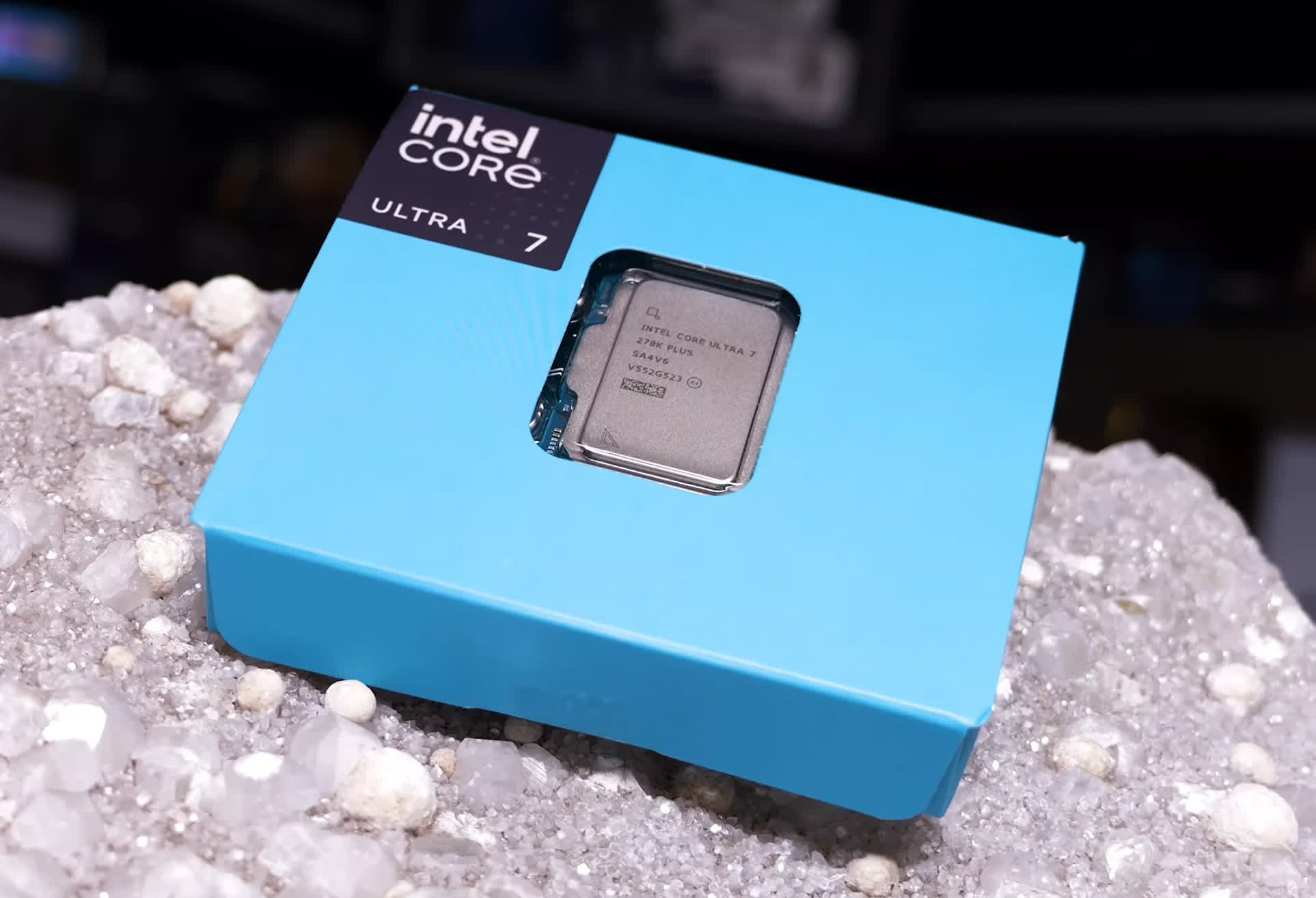
Of course, AMD's X3D processors still hold the crown for pure gaming performance, but we think the 270K Plus is now close enough that the price savings make it more attractive for most people, especially if you're looking for strong performance across a variety of workloads.
The fact that you're getting productivity performance approaching that of the 9950X, along with very capable gaming performance, at a fraction of the price makes concerns about future platform support largely irrelevant. As with the 250K Plus, you're effectively getting the motherboard for free.
The cheapest Ryzen 9 9950X we could find at the time of writing was $490. Meanwhile, shoppers can get the 270K Plus at Amazon for just $221, along with a really nice $200 Z890 motherboard, for less than the price of the Ryzen 9 alone.
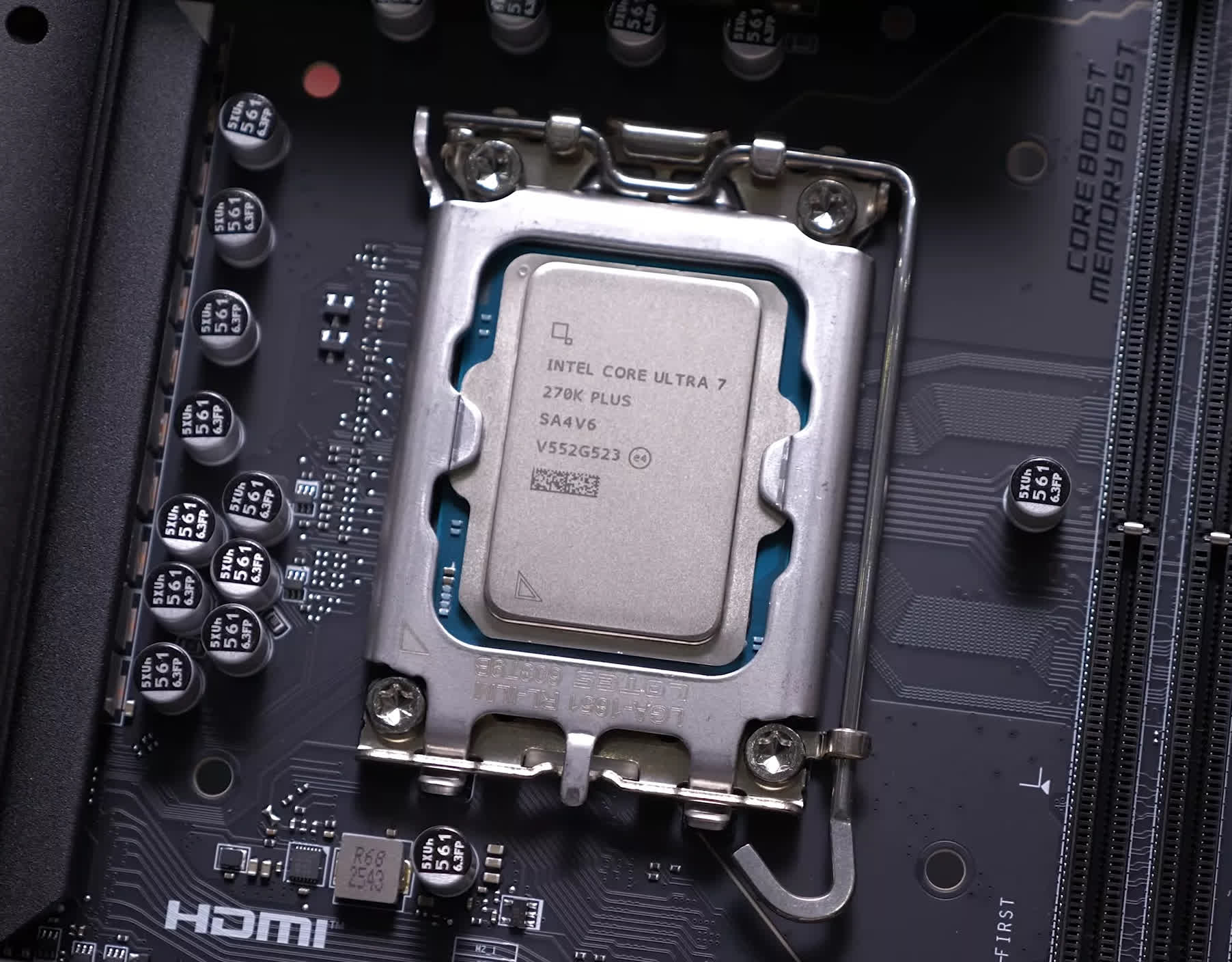
Once again, the motherboard is effectively free, and at that point, the lack of a future upgrade path becomes much less of a concern. For anyone who needs serious productivity performance without spending a fortune, it's an incredibly compelling deal.
Best Gaming CPU
AMD Ryzen 7 9850X3D or Ryzen 7 7700X3D
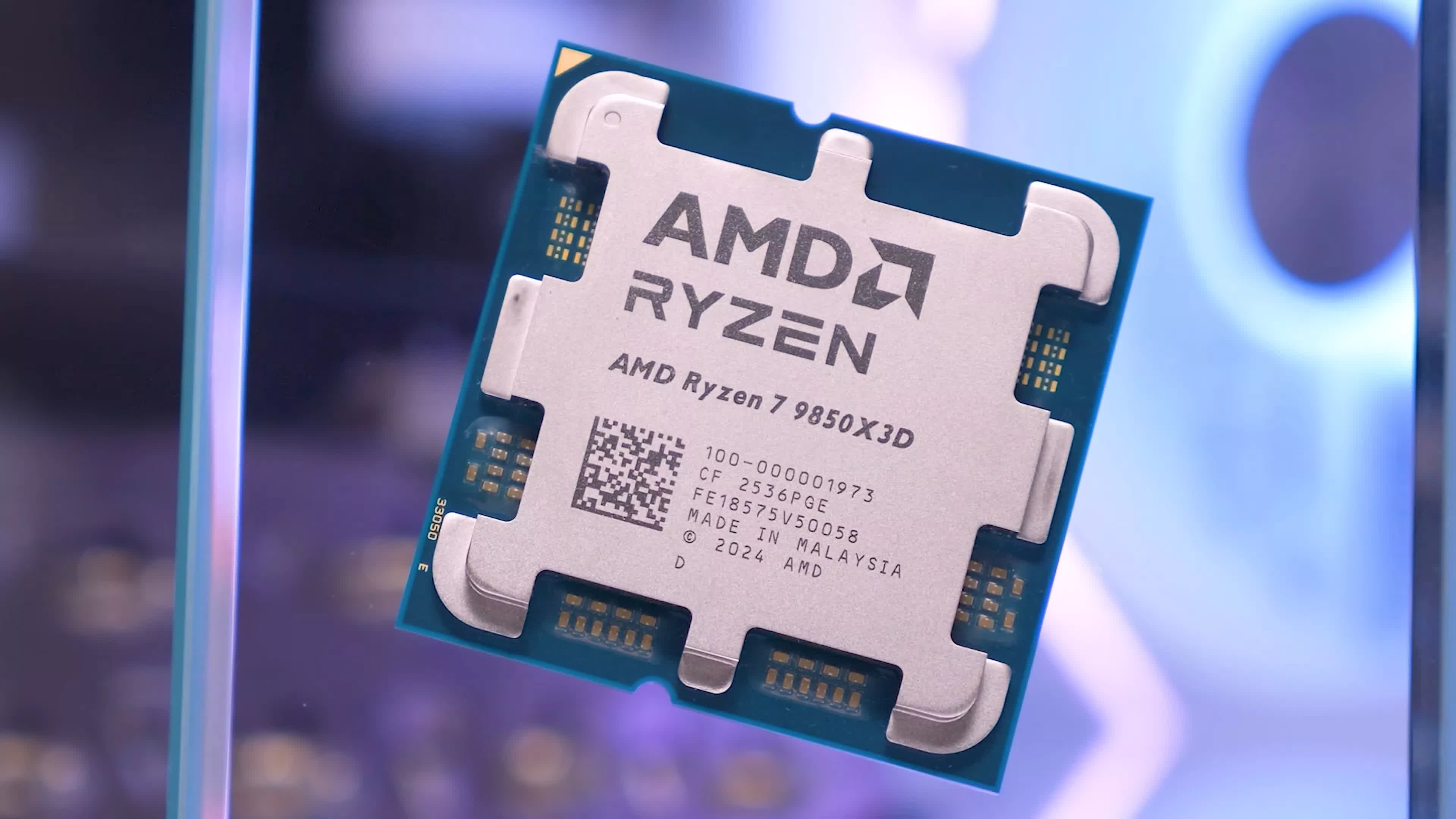
There's no debating which company makes the fastest gaming CPUs. AMD continues to dominate with its X3D processors, and the Ryzen 7 9850X3D remains the fastest gaming CPU money can buy.
What's changed in the last few months is pricing, and right now the 9850X3D is a much more attractive option. Amazon has discounted the 9850X3D to just $399, matching the price of the 9800X3D. Given that the 9850X3D is ~5% faster on average, there's really no reason to buy the 9800X3D at the same price.
Of course, that 4-5% improvement isn't exactly exciting, and as we found in our original review, the additional performance comes at the cost of substantially higher power consumption. Still, both processors are relatively efficient compared to Intel's previous flagships, and at identical prices, we'd take the extra performance.
The 9850X3D is also around 15% faster than the Ryzen 7 7800X3D in our CPU-limited gaming benchmarks, and a massive 40% faster than Intel's Core Ultra 9 285K. AMD's lead is particularly impressive in titles such as Baldur's Gate 3, Cyberpunk 2077, and Assetto Corsa Competizione, where the additional L3 cache makes a significant difference.
But do you really need to spend $400 on a gaming CPU? Absolutely not.
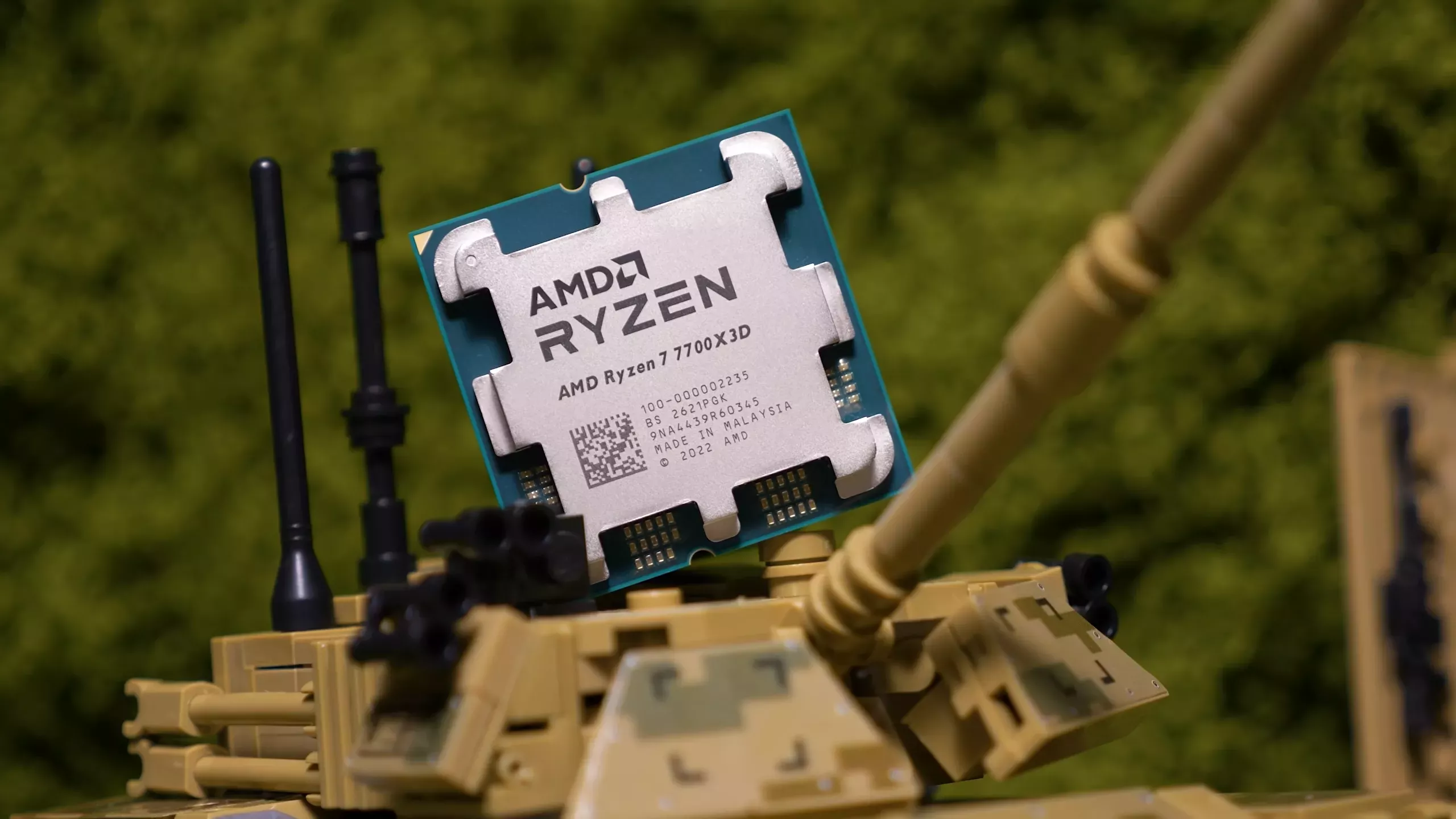
The older Ryzen 7 7800X3D remains an option at around $339. It's roughly 15% slower than the 9850X3D, but costs 15% less, making it a reasonable alternative. There's also the newer Ryzen 7 7700X3D, which launched in July at $329 and is currently available for $299. This is essentially a slightly downclocked 7800X3D, and in our 13-game benchmark we found it was just 7% slower on average, while trailing the 9800X3D by 15%.
At these prices, the 7700X3D is arguably the best-value X3D processor for gamers. It delivers excellent gaming performance, and you're saving $100 compared to the 9850X3D. All of these processors use AMD's AM5 platform, so you're also getting a much better upgrade path than Intel's current LGA1851 offerings.
One important consideration is that all these CPUs require DDR5 memory, which has become painfully expensive. The good news is that AMD's X3D processors aren't particularly sensitive to memory speed. In our testing, the 9850X3D lost very little performance when switching from DDR5-6000 CL30 to slower DDR5-4800 CL40 memory, making cheaper DDR5 kits a viable option.
For most gamers, our Core Ultra 7 270K Plus recommendation will be more than sufficient, especially considering its outstanding productivity performance and current pricing. But if gaming is your priority, AMD's X3D processors remain the top choice.