Epic founder says game studios are using Unreal Engine wrong
In a nutshell: Unreal Engine powers some of the world's biggest games, but its reputation has taken a hit as several high-profile releases stumble with performance issues. Epic CEO Tim Sweeney argues the problem isn't the technology itself – it's how developers are using it. His comments cut to the core of an ongoing debate about whether today's development struggles stem from engines, hardware, or studio practices – and how much responsibility Epic should bear in addressing them.
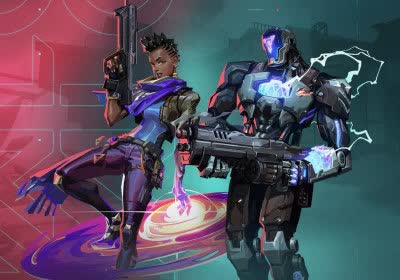
Riot has now released released Valorant 11.02 introducing a major engine upgrade, moving from Unreal Engine 4.27 to Unreal Engine 5.3. While visible gameplay changes are minimal, players may notice small FPS improvements and smoother rendering. Additionally, this patch includes bug fixes focused on UI and agent clarity.
The driver also adds DLSS 4 support and Game Ready optimizations for Wuchang: Fallen Feathers. It expands DLSS Override support to 11 more games and addresses issues in Counter-Strike 2 and Naraka Bladepoint.
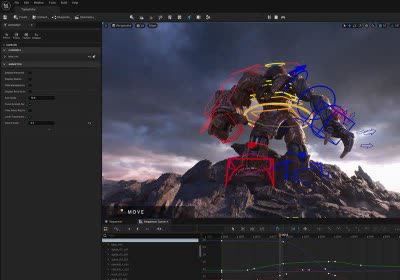
Unreal Engine 5.6 brings significant upgrades that empower developers to create high-fidelity open worlds. Key enhancements include smoother 60 FPS gameplay, optimized Lumen global illumination, a new fast geometry streaming plugin, upgraded animation tools, and full in-engine MetaHuman creation.
Utterly Unplayable: Unreal Engine is one of the most popular middleware solutions for developing games and other interactive experiences, particularly on PC and Mac. Created by Epic Games, it is also notorious for stuttering and graphics performance issues. However, the developers are actively working to address these problems once and for all.