
First look: A longtime game developer who has worked across multiple generations of game technology is now trying to build something that doesn't quite exist in today's market: a game engine developed and operated entirely within Europe.
Arjan Brussee, best known as a co-founder of Guerrilla Games and a former global director of product management for Unreal Engine at Epic Games, says he's developing a new platform called The Immense Engine. The idea, as he describes it, is to create an alternative to the dominant engines that currently come out of the US and China.
Brussee's background stretches back to the 1990s, when he programmed Epic's Jazz Jackrabbit games. He later co-founded Guerrilla Games in 2003, helping steer production during the studio's early years. After a period co-founding Boss Key Productions with Cliff Bleszinski, he returned to Epic, where he spent eight years working on Unreal Engine in senior roles.
Now based again in the Netherlands and working independently, Brussee is positioning his latest project partly around geography and regulation. "No one is currently making an engine that is fully European-hosted, built by Europeans, and complies with European rules and guidelines," he said on the Dutch podcast De Technoloog.
That reflects a broader change in how game engines are being used. Real-time 3D tools are no longer limited to entertainment. Brussee pointed to growing demand in areas like defense and logistics, where data handling and infrastructure are more tightly scrutinized. "Creating usable 3D worlds is becoming increasingly important, certainly for purposes other than just gaming," he said.
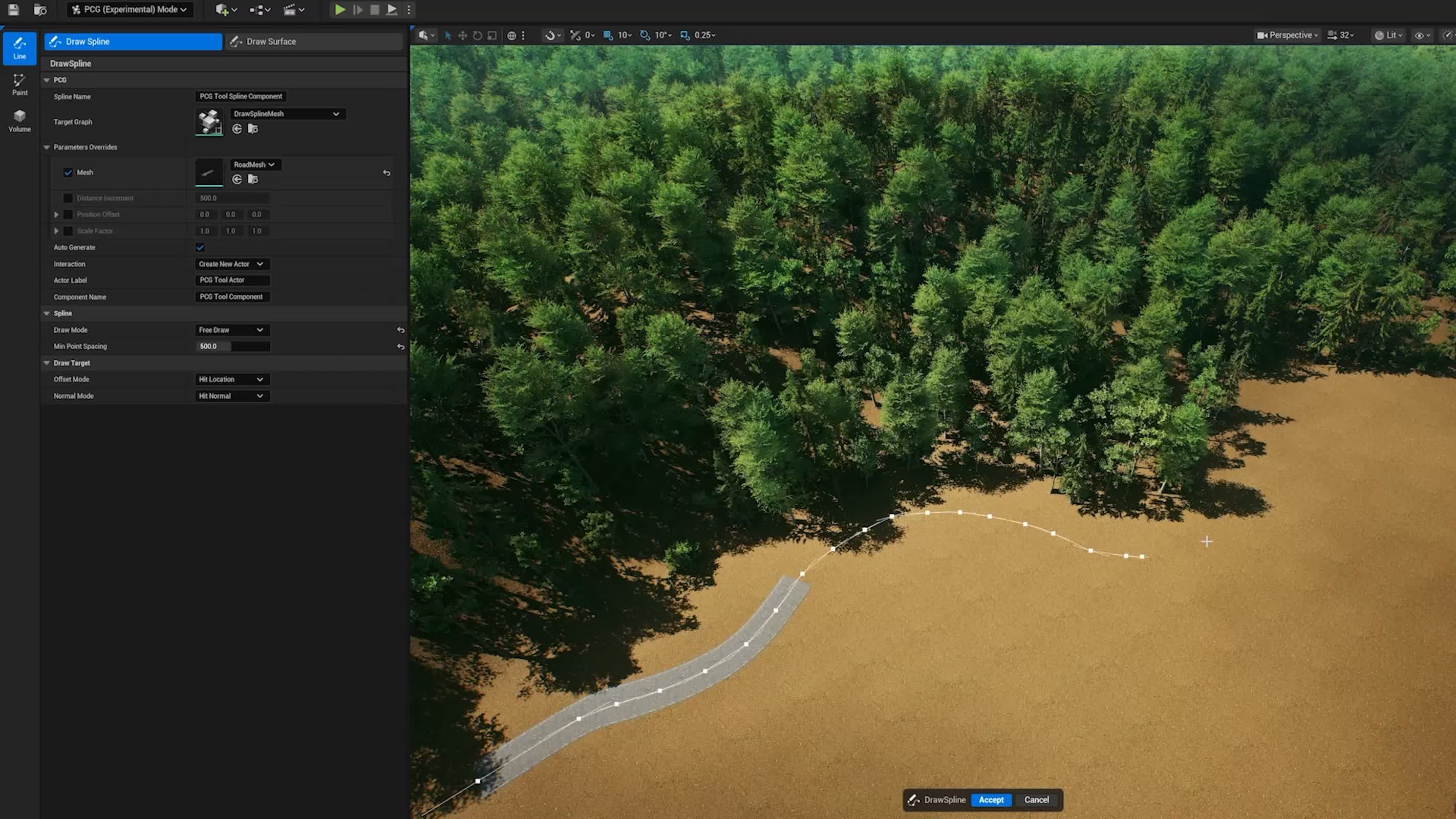
At the same time, his critique of existing engines is more technical. He argues tools like Unreal and Unity were built around workflows that assume a user clicking through menus and making changes step by step. That approach doesn't translate cleanly to a development environment where AI plays a larger role.
He described current engines as systems that were "made for and by people who have to click through a menu with a mouse. If you want to change something, it has to be done for the entire engine."
What he's proposing instead is an engine built with AI at its core, not layered on afterward. Brussee said the growth of AI requires a different approach to building this type of core software, adding that his experience gives him a clear view of where new opportunities are emerging.
The implication is a shift toward more automated and distributed ways of building content and systems. Brussee suggests that, with the right structure in place, AI could handle a significant share of the workload typically spread across teams. He said that with the right AI framework, a small team could handle work that would normally require ten to fifteen people.
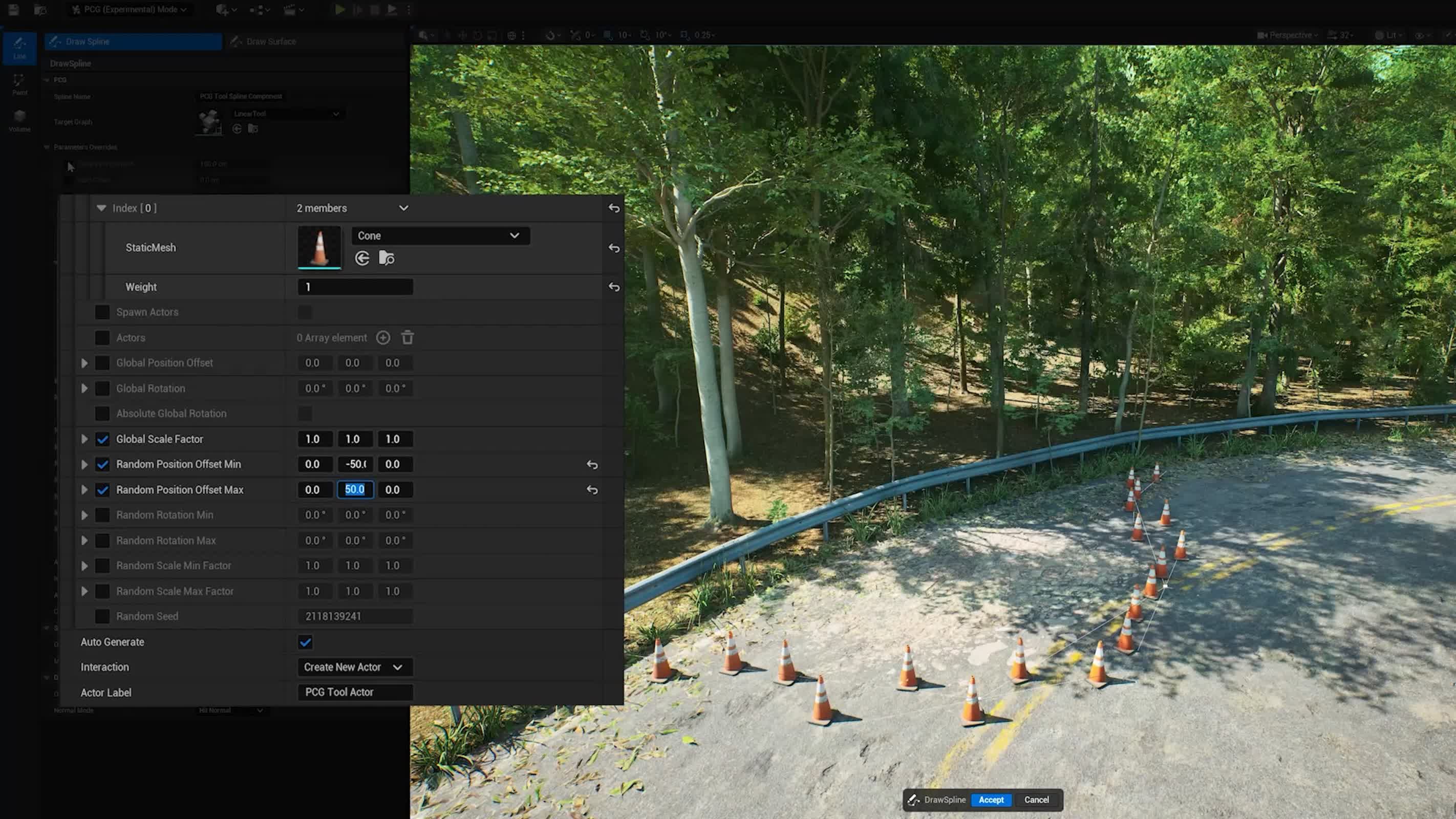
There's still little detail on how The Immense Engine will be built or when it might be released. But the direction is clear enough. Brussee is betting that the next wave of game engine development won't just be about better graphics or performance, but about rethinking how these platforms are structured – and who controls them.
In a space where a handful of engines dominate, that's a difficult position to break into. But the project lines up with broader shifts, including the use of real-time 3D outside gaming and the growing role of AI in development workflows. Whether that's enough to carve out space for a new engine remains to be seen, but the argument behind it is starting to take shape.