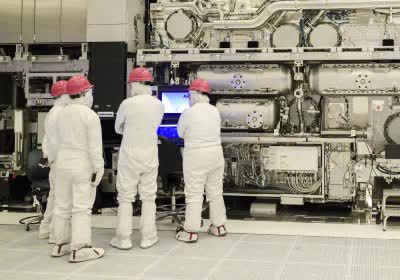
ASML is betting bigger EUV mirrors and stacked transistors will keep chips advancing
Crystal ball: ASML is the only company that makes the EUV lithography machines needed to produce the world's most advanced chips. Its CEO, Christophe Fouquet, says the AI boom will play out over 10 to 15 years and that we're only seeing the tip of the iceberg. Meeting that demand will depend on better optics, vertical chip designs and a sprawling supplier network that can't be scaled up quickly. That makes ASML's roadmap a useful gauge of how far AI hardware can go, and how fast.
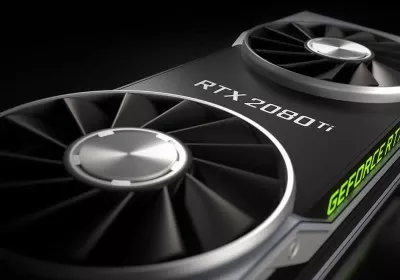
Winners & losers: EVGA's 2022 exit from Nvidia graphics cards remains one of the industry's most striking partner breakups, and this first-hand account shows how the relationship worked day to day. Hedrick describes a company squeezed by Nvidia's Founders Edition cards, pressure to keep a loss-making entry model and tight control over launch information, all in a business that made up 78% of EVGA's sales. It's only one side of the story, though. Nvidia's CEO and outside reports point to EVGA's own strategy and costs.
Blackmail, resisting shutdown, and human extinction make for an unusual investment pitch
WTF?! In what sounds like a self-defeating move, but could also be a way to hype its IPO, Anthropic is warning any potential investors that the company's most advanced AI models could pose "catastrophic or existential risks to humanity." How much that will dissuade people from investing in the company remains to be seen.
Cyberpunk 2077 was shown running at more than 90 fps over Wi-Fi 7
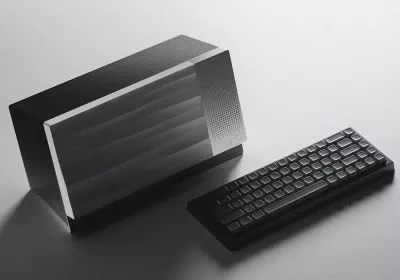
First look: External graphics cards have so far been limited by their need for high-bandwidth ports such as OCuLink and Thunderbolt 5. WiCi aims to address the issue by transmitting a GPU's horsepower over Wi-Fi. The company claims that multiple devices on a network can share an eGPU's compute for gaming and AI workloads.
The new Autopilot tool works 24/7 across Teams, Outlook, and Office documents without human input
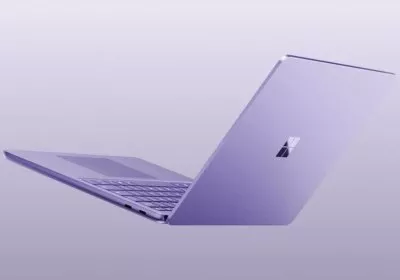
Ripple effect: Microsoft may be backing away from the Copilot+ PC branding, but it's doubling down on the bigger idea behind it: turning AI into a layer that actively runs your computer and gets work done for you. Its latest Copilot overhaul pushes that vision further than before, combining Office, coding tools, and autonomous agents into what CEO Satya Nadella calls a "new OS for work." Public testing begins in the coming weeks.
Audio-only AI glasses arrive next month starting at $349, Meta VR glasses packing 5K micro-OLEDs launch next spring at $1,299
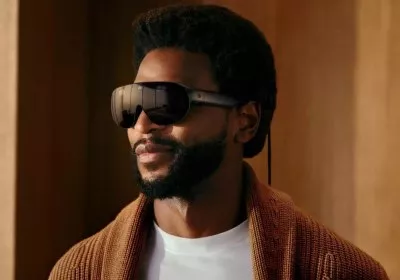
In a nutshell: Meta's Connect 2026 event aimed to address two of the biggest obstacles facing wearable smart devices: privacy for smart glasses and the size of VR and AR devices. The company's upcoming audio-only AI glasses look to put a digital assistant on the wearer's face while avoiding the surveillance concerns that have dogged previous models. Meanwhile, the company's latest VR device directly calls out Apple's failed Vision Pro.