Building a budget gaming PC? Don't let a pricey GPU trick you into cutting corners elsewhere. Here are 7 components you shouldn't cheap out on if you want smooth, reliable performance.
Building a budget gaming PC? Don't let a pricey GPU trick you into cutting corners elsewhere. Here are 7 components you shouldn't cheap out on if you want smooth, reliable performance.


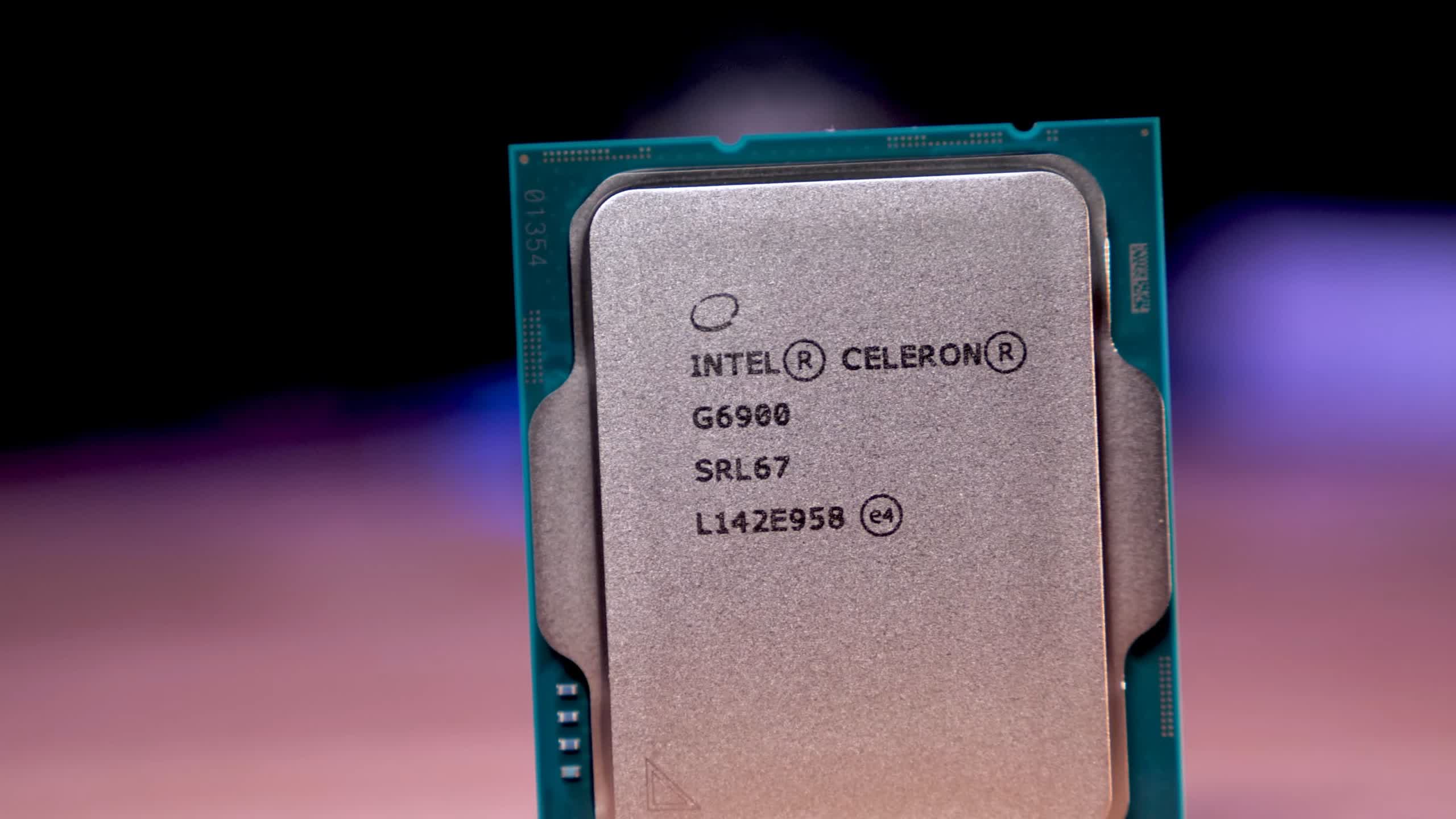
There's a lot of people out there with no understanding of computers at all.Dual core CPU? Seriously?
Why didn’t you tell that floppy drives are a waste too?
Because a dual-core CPU is something you could still buy new, and if you knew nothing about the current market you actually might.
There's a lot of people out there with no understanding of computers at all.
That's why they should stick to consoles. Even today, unless you are an enthusiast, I would not recommend building a computer for gaming.There's a lot of people out there with no understanding of computers at all.
Touching the pins on MB to start the PC works too, if the button fails.Spot on with the disposable cases, I have that exact case and it's a crapshow with the power button support breaking and now being held on with TAPE. Yeah effing sticky tape so I can turn it on. Luckily it's on its last use and the components will go into a real case soon.

And they don't build they buyThere's a lot of people out there with no understanding of computers at all.
There's a lot of people out there with no understanding of computers at all.
To be fair, while more expensive, the PC can do more things than the console. Assuming you want to do any of those things on your gaming desktop it could easily justify the extra expense. Further, you can get PC games a lot cheaper if you don't buy them at launch which then evens out the console's initial cheaper price.If you are forced to make concessions, like getting anything below a 9070 or a 5070, then I would advise you to simply get a PS5 Pro instead.
And yet, we didn't factor in all the rest of the components that are going to drag you out another 1000$.
FYI I can still buy brand new floppy drive.Because a dual-core CPU is something you could still buy new, and if you knew nothing about the current market you actually might.


Also important to tell buyers not to waste money on card punches.Dual core CPU? Seriously?
Why didn’t you tell that floppy drives are a waste too?
Those people need to stick with name brand PC makers...HP, Dell, etc. If you know nothing, play it safe.There's a lot of people out there with no understanding of computers at all.

Knowledge, experience and know how are "priceless" when it comes to PC tech. Can save folks a mint so they can get parts they couldn't afford New. Better for less = Winning. Personally I prefer to buy for less and get more for my money. Peace of mind comes from the aforementioned. Unfortunately those things cannot be bought. Hence the "priceless" moniker. And New doesn't = peace of mind. Just the illusion of.Personally, I prefer to buy new. Some will say it's a waste of money, but the benefit of "peace of mind" is priceless.
Well that's not really fair. We all started out knowing nothing. If someone wants to try and build a PC, or even upgrade an office machine, all this data is still very useful.Those people need to stick with name brand PC makers...HP, Dell, etc. If you know nothing, play it safe.
Lolwat. No, double the cost is going to get you way better performance. Consoles are running checkerboarded 1080p dithered at sub 30 FPS, that is bottom of the barrel for PC gaming. For double a PS5, that is $1200+, you can build a decent PC easily.That's why they should stick to consoles. Even today, unless you are an enthusiast, I would not recommend building a computer for gaming.
It is going to cost you the double to have the same performances with decent hardware.

I agree that $60/$70 PSUs are better than $40 units and justify the price difference for all but the most budget-conscious builders, but that difference is still nothing compared to the difference between a $40 PSU and the ones described in this article.@Amir Shoam For just $40, you can get a 500W Thermaltake Smart with an 80+ rating, two GPU connectors, and a five-year warranty.
FWIW: This PSU doesn't even meet "bronze" specs. It's efficiency is listed as "White". I actually bought the 650 (?) watt version. In hindsight, I didn't think it was too good of an idea. So, it's still in its box for potential use as a "spare".
TT's supplies are more attractively priced than most. In two new builds, I opted for these:
Thermaltake Toughpower GX2 80+ Gold 600W SLI/Crossfire Ready Continuous Power ATX 12V https://www.amazon.com/Thermaltake-...-PS-TPD-0600NNFAGU-2/dp/B087CDR14Z?gQT=1&th=1
These are definite a step up, but have non modular wiring, which holds the price at only about $60.00. Still, at least for me, they provide a bit more piece of mind.
It's easy for beginners to get entranced with the idea of modular wiring. However, that's going to cost you at least $20.00 more, for pretty much the same internals.
The newest CPUs are somewhat intolerant of voltage ripple and fluctuation, both of which may be present if you go bargain basement on a PSU.
I've read a post concerning he same concept, with respect to Gigabyte's DS3H 660M. Well granted, it doesn't have heat sinks with dragons, skulls, or lightning strikes on its VRMs.Id say skip the Thermaltake Smart as well. Also When looking at cheap motherboards keep VRM cooling in mind. If your CPU draws a lot of power through it the VRMs could go bad prematurly.