AI created 50 new billionaires in 2025, startup investment pulled in more than $200 billion

DragonSlayer101

Posts: 992   +14
Staff
In context: The middle classes may be facing a depressed job market, high inflation, and a broader cost-of-living crisis, but the wealthiest one percent have never had it so good. The AI-driven stock market boom reportedly added more than $500 billion to the wealth of America's richest tech titans in 2025 and created over 50 new billionaires worldwide.
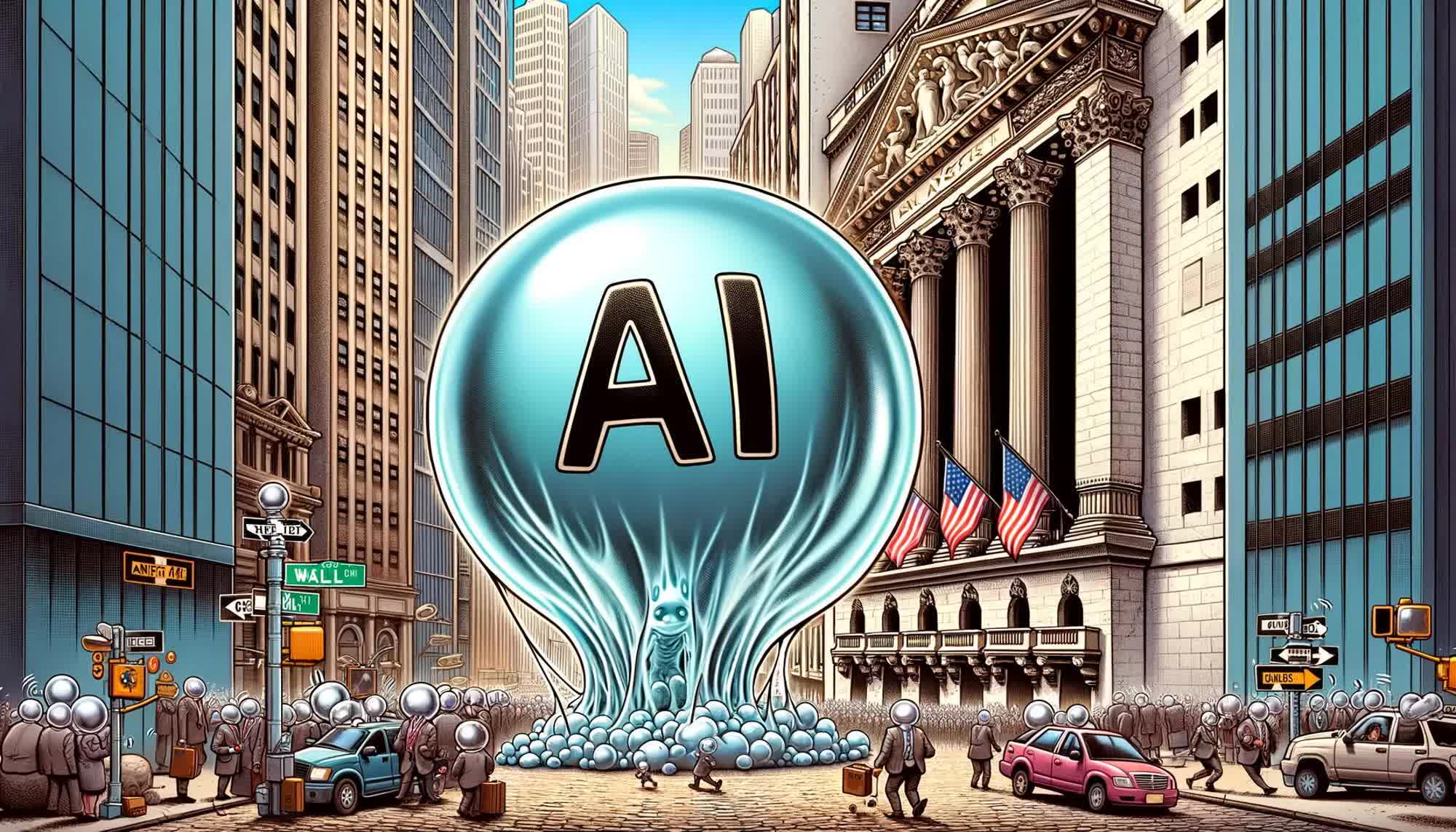
According to Forbes, most of the new AI billionaires are either founders or senior executives of SaaS companies, foundation model firms, or businesses focused on replacing human workers with AI software in the service and manufacturing sectors.

Among the notable additions to the billionaire club are former Facebook executive Bret Taylor and former Google executive Clay Bavor. Their AI startup, Sierra, raised $350 million earlier this year. At CES 2026, the duo is expected to showcase conversational AI agents designed to replace human customer service representatives for companies such as Rivian and The North Face.

The three youngest members of the billionaire list are Brendan Foody, Adarsh Hiremath, and Surya Midha, who founded the recruiting firm Mercor. The list also includes Liang Wenfeng, the founder of Chinese AI startup DeepSeek, with an estimated net worth of around $11.5 billion.

As AI has become the dominant tech buzzword over the past few years, the sector has seen a massive influx of capital from both institutional and private investors. According to Forbes, $202.3 billion was invested in AI startups in 2025, about 75 percent more than the $114 billion that flowed into AI-related firms last year.

A large share of that funding went to foundation model companies, which have raised $80 billion so far in 2025, accounting for roughly 40 percent of global AI investment. Two of the largest players in the space, OpenAI and Anthropic, together captured 14 percent of all global venture investment in AI this year.

Musk, already the world's richest person, recorded an almost 50 percent jump in net worth to $645 billion, making him the first person in history to surpass $500 billion in personal wealth.
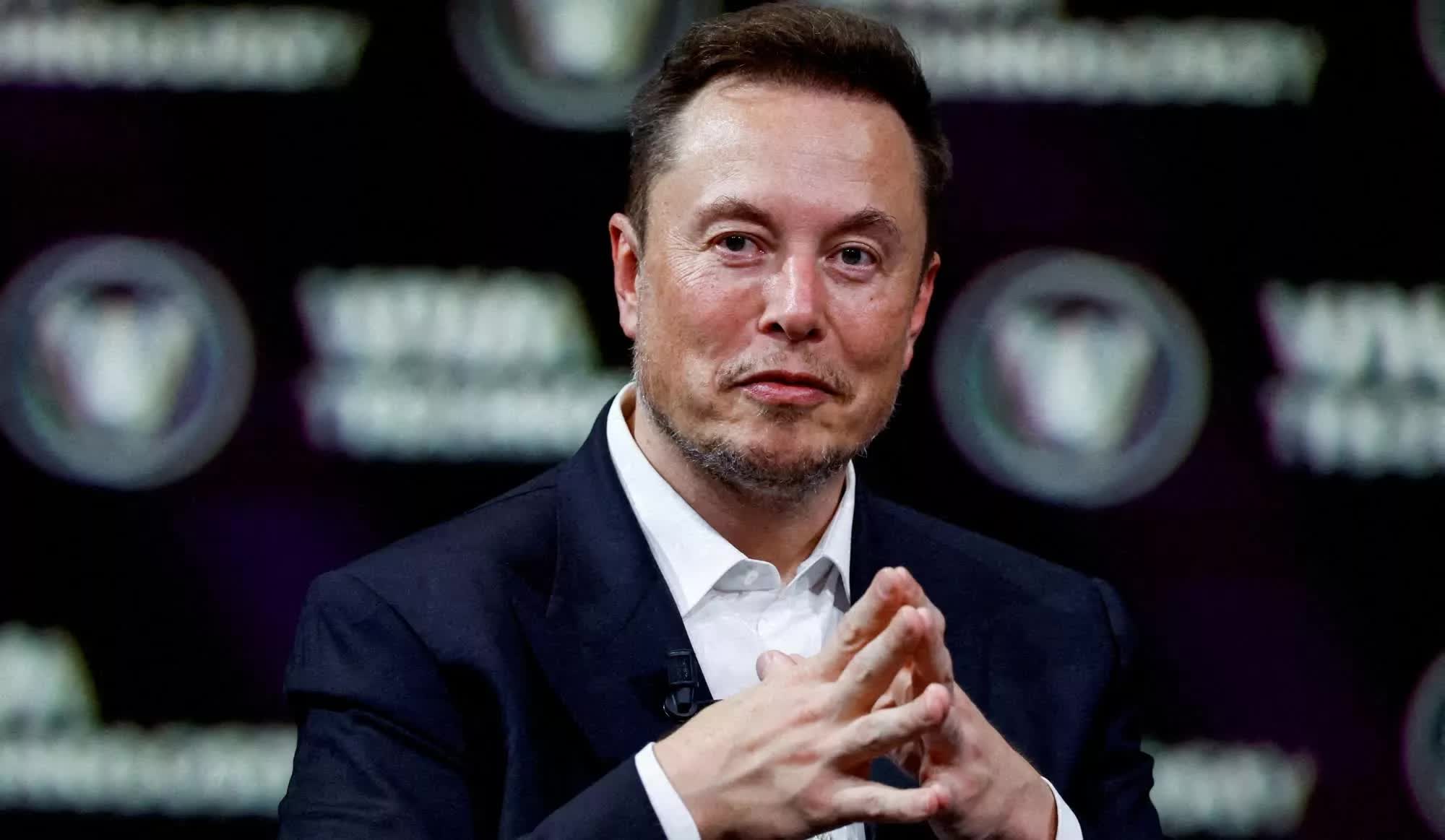
Among the biggest beneficiaries of the AI boom are Elon Musk, Larry Page, Jeff Bezos, and Jensen Huang, all of whom saw their net worth surge in 2025. Musk, already the world's richest person, recorded an almost 50 percent jump in net worth to $645 billion, making him the first person in history to surpass $500 billion in personal wealth.

Nvidia CEO Jensen Huang's net worth rose by $41.8 billion to $159 billion as the company's valuation crossed $5 trillion, driven by growing demand for AI accelerators in data centers. Google co-founder Larry Page and Amazon founder Jeff Bezos also saw substantial gains, with their net worth climbing to $270 billion and $255 billion, respectively.

Permalink to story:

 
Just more wealth distribution to the few. Eventually we will see and uprising (peaceful I hope) against the few who control our countries wealth.
There is no such thing as a major power/wealth redistribution in any human society, that I’m aware of, that isn’t a direct result of actual violence. Even movements that are purported to have been non-violent were anything but. It’s a fallacy; an assertion backed up by well-documented evidence.

Examples:
The U.S. civil rights movement. Selma, Tulsa, Watts, etc. Even though King and others advocated for non-violence, the real push for change came when communities fought back against violent oppression. The eventual policy shifts, like the Civil Rights Act of 1964 and Voting Rights Act of 1965, were responses to the backlash and violence of these movements.

The fall of Apartheid. While Nelson Mandela and others promoted peace, the system of apartheid did not end through a smooth, non-violent process. The African National Congress (ANC), for instance, carried out acts of armed resistance, and there were major riots and uprisings (e.g., the Soweto Uprising of 1976) that were met with violent suppression.

Mandela’s eventual release and the peaceful transition to democracy came about after years of violence—both from the state and in the form of civil unrest. The ANC had been involved in armed struggle against apartheid, and the government responded with brutal violence. It’s tough to make the case that the fall of apartheid came purely from peaceful means, especially when you look at the long-term violent clashes that forced the state to reconsider its policies.

Indian independence. The partition of India in 1947, which saw the creation of Pakistan, led to widespread communal violence, leaving over a million dead. While Gandhi’s philosophy was central to the movement, the violence during partition and the social unrest leading up to it were the undeniable forces that shaped the actual power change. The idea of a non-violent uprising was more an aspiration than a reality in terms of actual societal transformation.

Labor movements and worker rights of the late 19th and early 20th centuries were similarly shaped by violent protests and involved deadly clashes between striking workers and police. In many cases, labor reform didn’t come because of peaceful negotiation but because of violent labor strikes, factory uprisings, and the loss of life. These struggles led to reforms like child labor laws and the eight-hour workday, but not without significant social and political upheaval.

Look, I could go on and on and on. The reality is that the world, and humans, heck—life in general—are violent. Violence IS the only thing that creates large-scale change. I don’t think there's any case in our human history where wealth or power has been redistributed without significant violence either directly or indirectly being involved. The assumption that power, wealth, or privilege are ever willingly relinquished without struggle goes against our very nature.

Belief in the contrary, that this is not how things work, or that it can work any other way, is just a complete fantasy. It is simply not how things function.
 
Last edited:
Greed ruined all the ancient empires we know of. People lost the will to defend them and their armies and societies disintegrated from within. Sometimes with external help such as conquest and sometimes internally such as revolutions.

In all cases it was bloody and dirty. Old elites were washed out by the ensuing storms. Russian earls worked as taxi drivers in Paris and their wives at brothels simply to survive after Russian revolution threw them out. French aristocracy wasn’t so lucky, guilliotine equaled them all.

Both events drown the continent in blood for decades before finally stopped. Both events brought much needed reforms which was by far easier to implement if old elites wasn’t so greedy. Napoleonic laws still work in France and did reformed Europe. Stalin’s constitution vastly influenced many changes on the world stage.

Let us not speak of what was the result of Antanta’s greed at peace conference.

Greed is not good
 
Grifting scum, the lot of 'em.

When they've put everyone out of job, no amount of AI slop will stop them being dragged from their walled compounds and bunkers by the nothing left to lose mob and strung up from the nearest tree.


And if/when the AI bubble bursts, there will be former billionaires, unless they got out soon enough

Indeed. But to your point, even the Medical Medium has said in a recent livestream, that a battle between AI companies will take place, everyone will lose their investments including the countries doing the investing. This battle will yield the one and strongest AI that’ll be capable of hosting the greatest demonic soul, which currently is technologically not possible (to interface with, but it will eventually). No other AI will survive except that one that’ll be the “host.”
 
Replacing customer service workers with AI and then becoming a billionaire off the savings feels like the most honest summary of this entire decade.
 
We don't need a revolution and nobody needs to get killed. All we need is a more functional progressive tax system, and government oversight agencies that do their job. It's not that hard if we could just get some decent people to run our government.
 
Grifting scum, the lot of 'em.

When they've put everyone out of job, no amount of AI slop will stop them being dragged from their walled compounds and bunkers by the nothing left to lose mob and strung up from the nearest tree.
With any luck.
 
We don't need a revolution and nobody needs to get killed. All we need is a more functional progressive tax system, and government oversight agencies that do their job. It's not that hard if we could just get some decent people to run our government.
And therein lies the problem. It's mostly scum that floats to the top within politics.
 
We don't need a revolution and nobody needs to get killed. All we need is a more functional progressive tax system, and government oversight agencies that do their job. It's not that hard if we could just get some decent people to run our government.
I’m afraid we’re late for that train.
In order to have functional government it requires morality which cannot be the type of “I got the power”. Morality involves kindergartners and schoolers to learn from already functioning adults by example. In society where the only example is steal everything you can at expense of everyone else at any cost, nothing good comes out from that.
 
Back