Connecting the dots: Chinese tech giants are shifting some of their most advanced AI training work to overseas data centers, using foreign-owned infrastructure to keep access to Nvidia's GPUs while staying within the letter of US export rules. People familiar with the arrangements say that the move has turned parts of Southeast Asia into key hubs for training large language models that compete with top US systems.
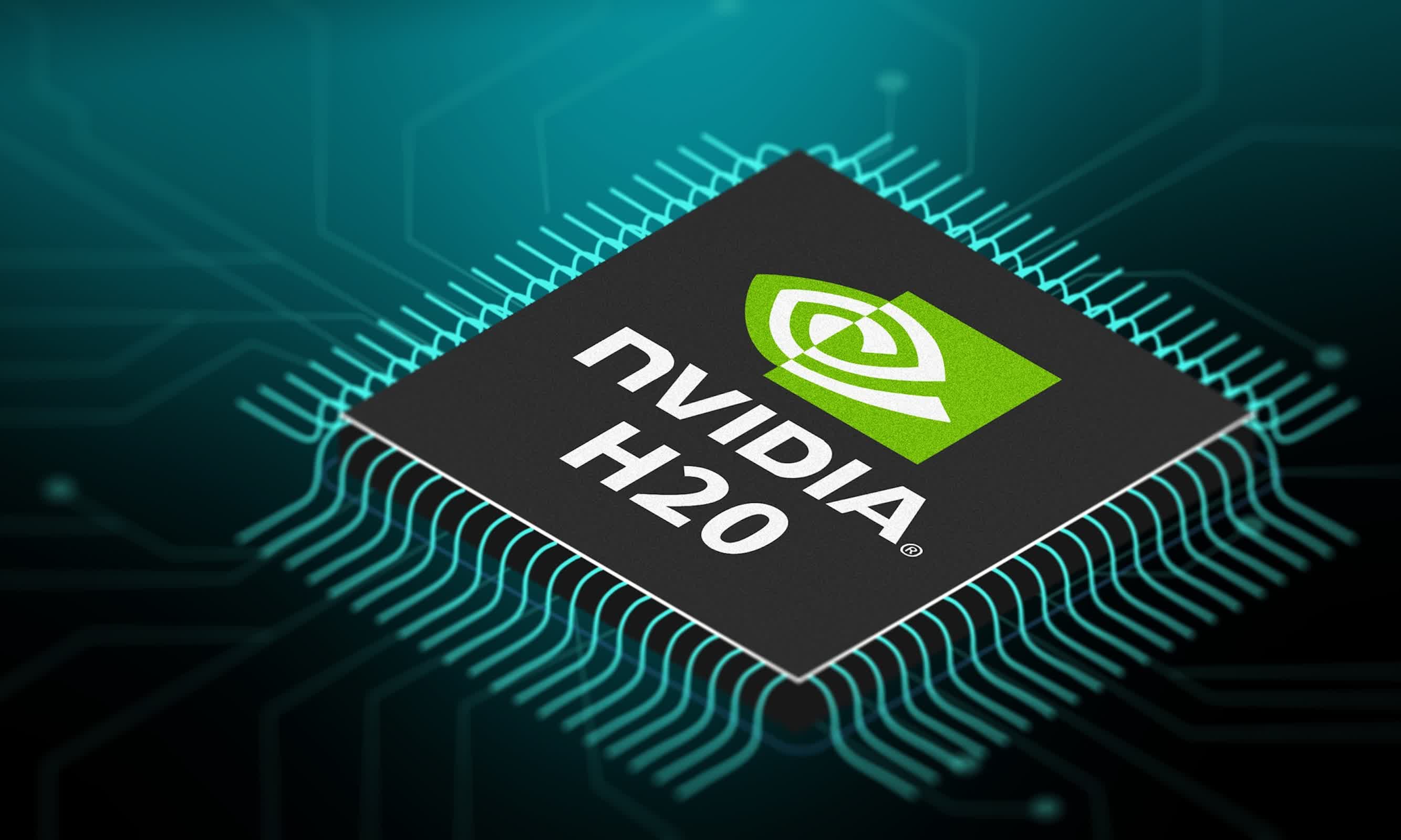
Alibaba and ByteDance are among the companies routing training jobs for their latest large language models to data centers in countries such as Singapore and Malaysia, according to The Financial Times, citing people with direct knowledge of the deployments. These sources say there has been a steady shift toward offshore clusters since April, when Washington moved to tighten controls on Nvidia's H20 accelerator, a chip designed specifically for the Chinese market.
In practice, Chinese AI labs lease compute capacity from non-Chinese operators that own and run facilities equipped with high-end Nvidia GPUs similar to those used by US cloud and AI providers. A Singapore-based data center executive described the logic as straightforward, saying it is "an obvious choice" for Chinese customers who want state-of-the-art hardware and a structure that remains compliant with existing export restrictions.
The offshore clusters typically use Nvidia accelerators that sit near the top of the current AI-training performance curve, including families related to the H100 and A100 lines, rather than the more constrained China-only parts now facing tighter scrutiny. US rules bar the direct export of the most advanced Nvidia GPUs to China, but they do not prohibit non-Chinese data center operators in permitted countries from buying those chips and reselling access as a cloud service.

Orchard Spring Lane, Merlion, Singapore
An earlier attempt to close that gap, known as the AI "diffusion rule," would have treated overseas leasing of restricted compute to Chinese customers as a violation of export controls, but that framework was rescinded this year under the Trump administration before its full restrictions took effect.
With that rule rolled back, leasing GPU time from foreign-owned facilities has become a central mechanism for Chinese companies to tap advanced Nvidia hardware while remaining within current regulatory boundaries.
Over the past year, Alibaba's Qwen family of models and ByteDance's Doubao systems have climbed into the top tier of global LLM benchmarks. People familiar with their training pipelines say portions of these models' large-scale training runs are now executed on offshore clusters, where the combination of high-bandwidth interconnects and dense GPU racks is comparable to the infrastructure used by leading US AI labs.
One notable outlier to the offshore trend is DeepSeek, a Chinese AI company known in the industry for high-quality models that emphasize cost efficiency. People with knowledge of its operations say DeepSeek accumulated a large pool of Nvidia accelerators before the most recent export bans took hold, giving it enough domestic capacity to continue running full-scale training jobs inside China.
DeepSeek is also working closely with local chipmakers led by Huawei to tune both hardware and software stacks for future training runs, according to reports. Huawei has placed a team of engineers at DeepSeek's headquarters in Hangzhou, and the company views the partnership as a strategic way to accelerate the adoption of its AI-focused semiconductors and system software across Chinese training clusters.
Training cutting-edge LLMs typically requires dense clusters of accelerators, each with high compute throughput and fast interconnects, to process enormous datasets and synchronize model parameters across thousands of GPUs. For these workloads, Chinese firms still favor Nvidia's advanced products because of their maturity, software ecosystem, and performance profile, which reduces the engineering effort required to scale training to hundreds of billions of parameters.
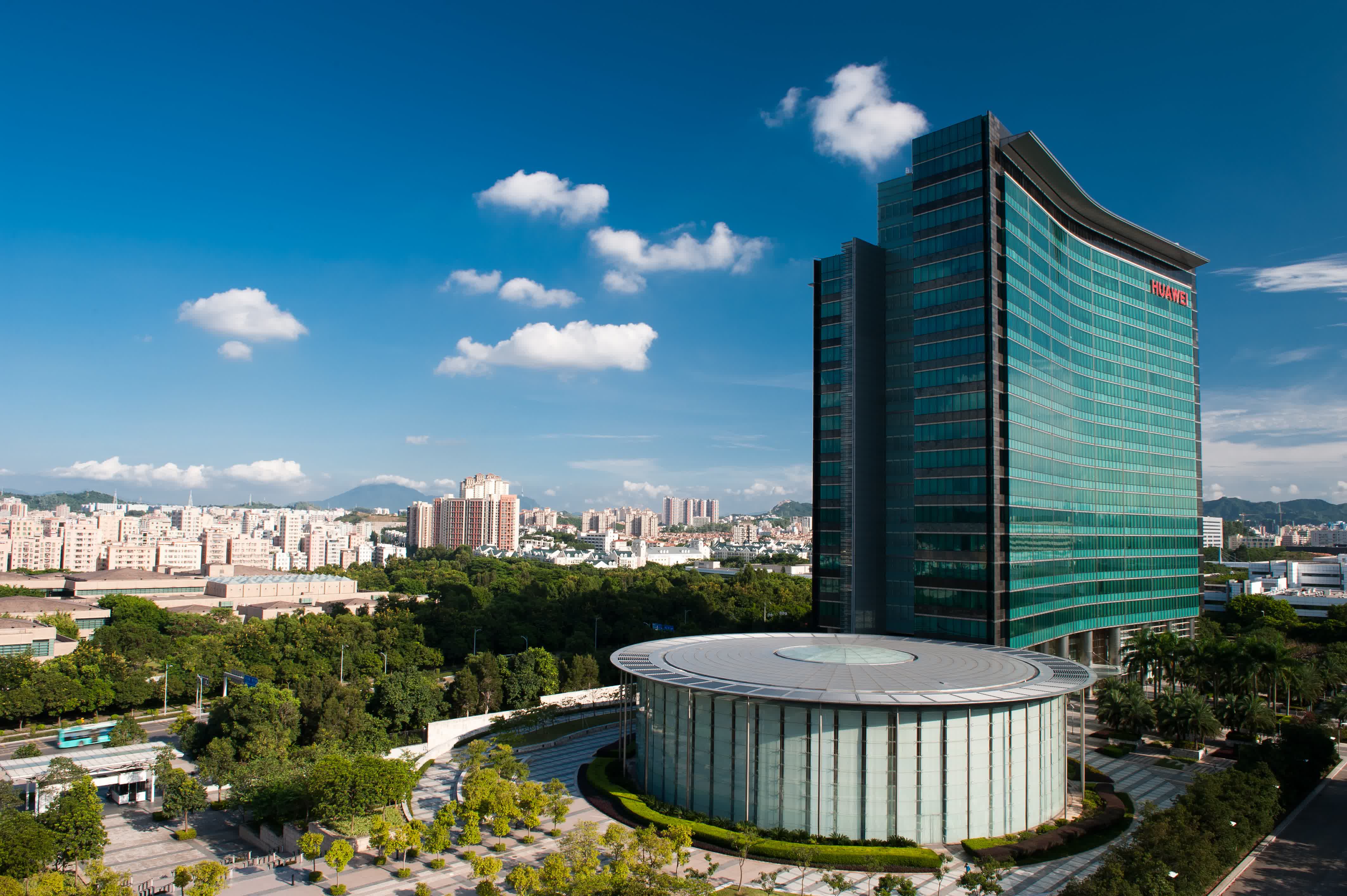
An aerial view of Huawei's skyscraper at Shenzhen HQ, Building F1
Once models are trained, however, Chinese companies are increasingly relying on domestic chips for inference. Chinese vendors are rolling out their own accelerators – often optimized for specific memory bandwidth and power envelopes – to handle this production traffic at lower cost and with fewer geopolitical risks than importing foreign hardware.
Southeast Asia has quickly turned into a focal point for this strategy, with data center clusters in Singapore and Malaysia expanding to meet demand from Chinese tenants. These facilities are built around high-density racks of GPUs from Nvidia's data center portfolio, connected by low-latency networking so that customers can run large distributed training jobs with minimal modification to their existing software stacks.
Chinese companies typically do not own these data centers; instead, they sign long-term leases or usage agreements with local or international operators that retain legal control of the hardware, a structure that keeps the arrangements within current US export rules.
Alibaba and ByteDance are moving AI training offshore to bypass China chip bans


