
Forward-looking: JEDEC is looking forward to a point when buying DRAM doesn't require selling a kidney and DDR6 is available. In an early preview of the next-gen memory standard, the organization noted that not only would it bring several upgrades, but the proposed modules would also be around 44% shorter than DDR5 versions.
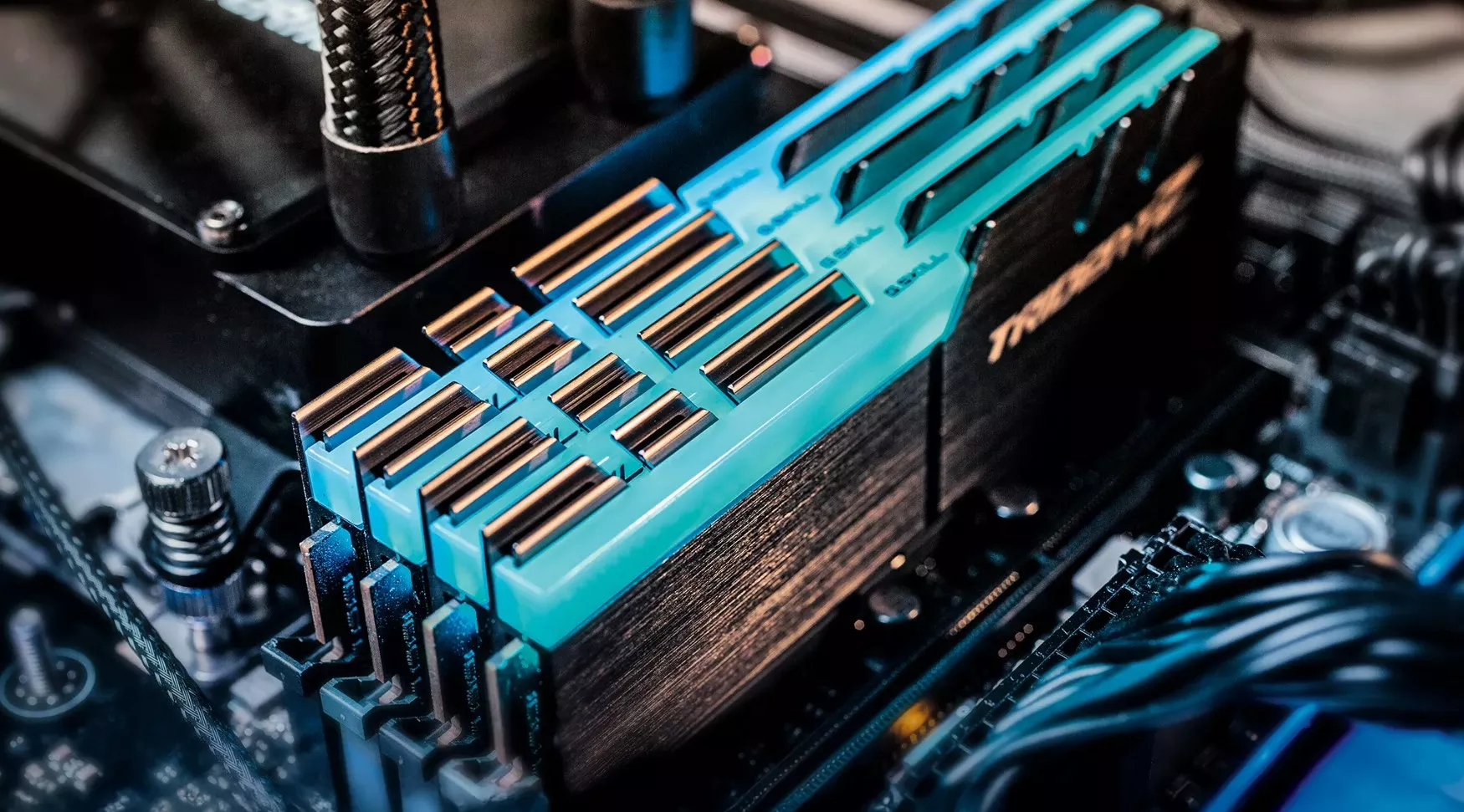
As VideoCardz notes, a full-size DDR5 stick measures just over 133 mm from end to end. The design JEDEC has in mind for DDR6 measures 74 mm, putting it within a few millimeters of those little SO-DIMMs found in laptops. Unfortunately, you can probably guess who stands to benefit most from being able to squeeze more memory into the same amount of motherboard space.
Sure enough, JEDEC singles out AI inference and agentic AI as two workloads that could use more memory close to the CPU. The speed figures it gives are for registered DIMMs, the kind typically found in servers. DDR6 RDIMMs are expected to start at 12,800 MT/s, up from the 9,200 MT/s ceiling for DDR5 RDIMMs, with 14,400 MT/s and higher speeds to follow.
That works out to a roughly 39% increase in the transfer rate right from the start. There's also the data bus, which goes from 64 bits wide to 96 bits, allowing the module to move more data with each transfer. JEDEC expects those two changes to deliver more than 50% additional bandwidth at launch. It's also developing low-power modes specifically for use in data centers.
As for how much memory you could get on one of those shorter sticks, DDR6 is expected to support 128-gigabit dies. That's 16GB on a single die, and manufacturers will be able to stack several of them in the same package. Micron offered some idea of where that could lead last month when it outlined plans for a 1TB server module.
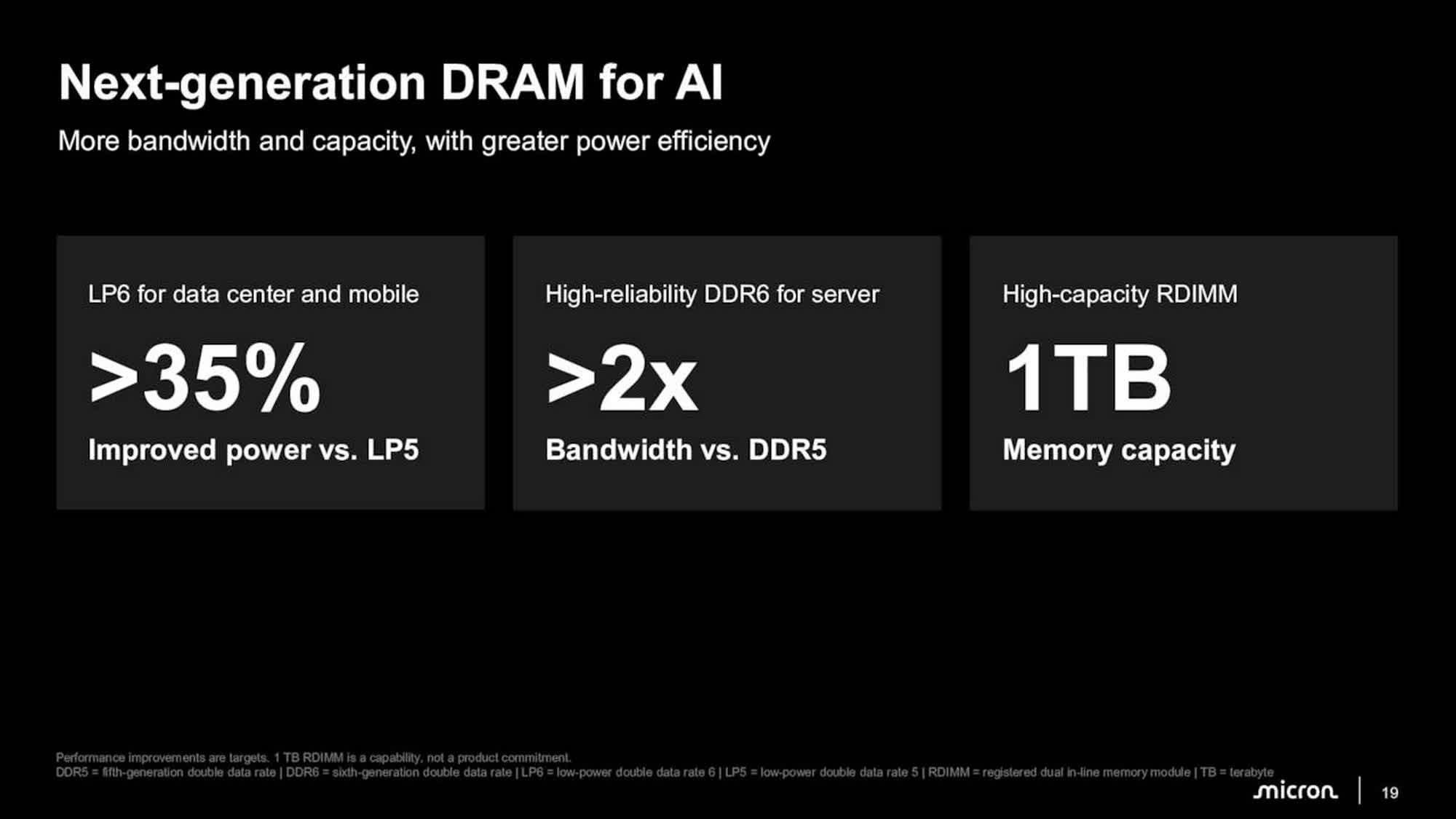
The big question now is when DDR6 might make its way into your next build. Don't expect it anytime soon. JEDEC lists the unbuffered DIMMs used in desktop PCs and the low-profile CAMM design among the formats under consideration, though it hasn't put a date on any of them.
Back in May, we heard that Samsung, SK Hynix, and Micron were already working with substrate suppliers on DDR6, with the first commercial modules expected in 2028 or 2029. Whether those first modules will include a reasonably priced kit for a gaming PC is another matter, but here's hoping.
DDR6 memory modules could be 44% shorter than DDR5 while delivering over 50% more bandwidth


