Crystal ball: Nearly every major tech company is now trying to oversell this inflated "AI-powered" narrative, and the PC market is no exception. Dell, who happens to be shipping a lot of PCs to every corner of the world, is apparently taking a more skeptical stance moving forward, arguing that the push is misguided because customers are not lining up to buy new "AI PCs" at all.
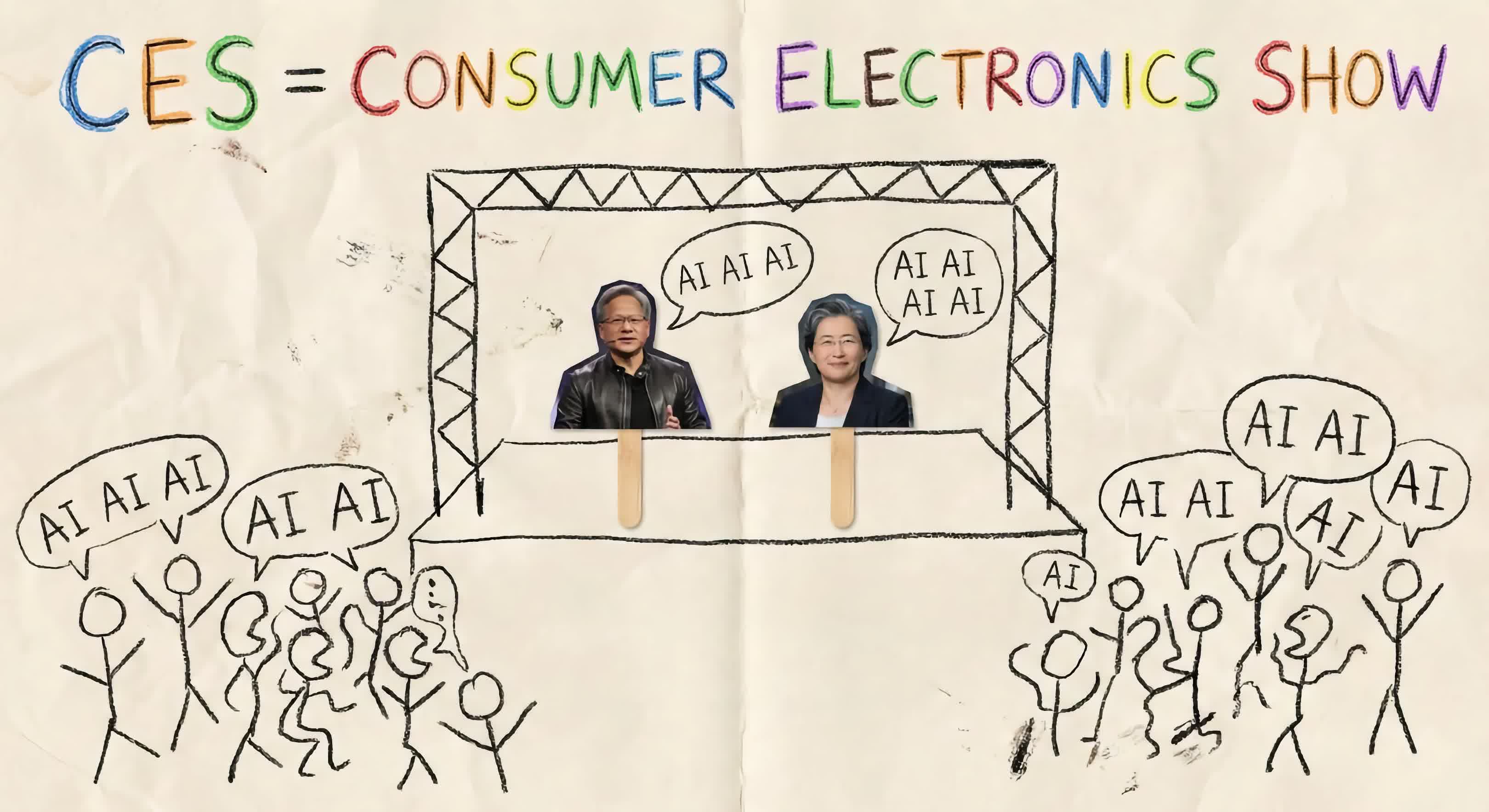
While much of the IT industry continues to abuse AI as a stale marketing buzzword, Dell appears more interested in selling practical PC systems. CES 2026 was dominated by talk of an "AI revolution," but the US manufacturer delivered a notably different message. In fact, Dell was among the few companies at the show that did not frame its products around an "AI-first" experience.
According to Dell's head of product, Kevin Terwilliger, this year's CES marked a clear shift in strategy compared to last year. In 2025, the company heavily promoted its AI PC initiatives; this time, Dell revived the XPS brand and refocused on hardware improvements that are not directly tied to generative AI or chatbots.
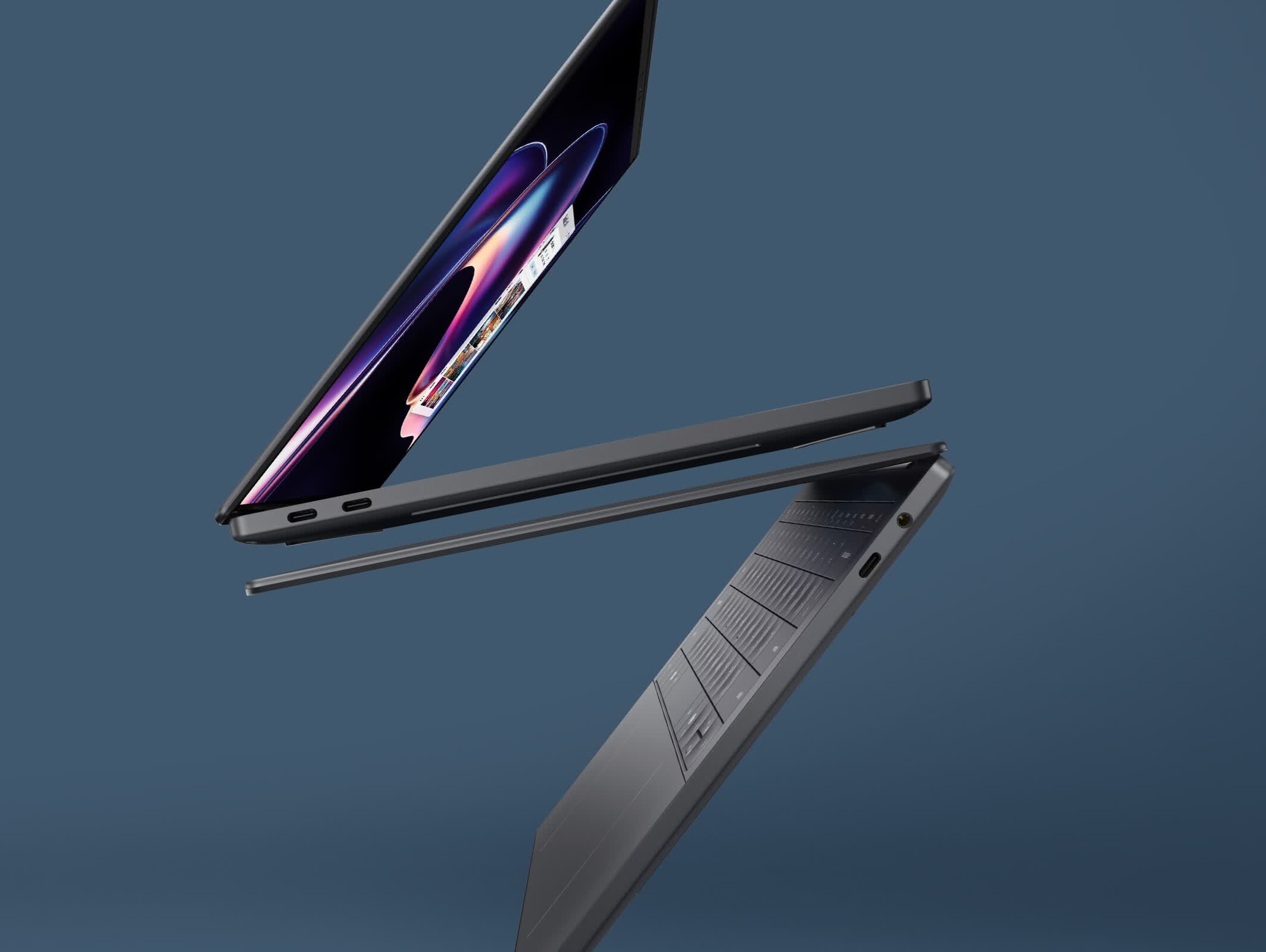
Terwilliger noted that every new Dell system announced at CES 2026 has an NPU inside, providing sufficient acceleration for AI workloads. Still, he acknowledged that consumers are not buying new hardware simply because it contains AI components.
"In fact, I think AI probably confuses them more than it helps them understand a specific outcome," Terwilliger said in an interview during CES.
Found a supercut of Jensen Huang saying "AI" 121 times during the CES keynote. That's about once every minute for two hours. Meanwhile actual business adoption fell to 12%, Dell stopped AI-first marketing because consumers don't care, and Microsoft quietly cut Copilot sales… pic.twitter.com/G2HrdnD6jp
– Hedgie (@HedgieMarkets) January 8, 2026
During its CES pre-briefing, Dell zoomed out to address broader industry pressures and the future of its Alienware lineup and PC business. COO Jeff Clarke touched on issues ranging from Trump-era tariffs to the slow-moving transition in both hardware capabilities and software platforms – particularly the shift to Windows 11.
And what about AI? Clarke described consumer-facing chatbots and large language models as an "unmet promise," suggesting that inflated expectations are driving only residual demand.
That skepticism comes as the industry braces for another looming challenge: a major memory shortage expected in 2026. With consumers already spending thousands of dollars to build or buy capable systems for work or gaming, no amount of chatbot acceleration is likely to move the needle in terms of happiness or satisfaction.
Dell remains a key player in the PC market and was an early partner in Microsoft's Copilot+ PC initiative. Microsoft continues to pitch Copilot as the future of computing, even as it struggles to convince users of its value, not to mention the term "slop" makes the poor AI algorithms sad. But Dell seems to be refocusing in meeting actual customers demand rather than where the industry insists they should be. Whether this massive wave of AI enthusiasm ultimately proves transformative – or simply another cycle of overreach – remains an open question.
Dell admits customers are not buying PCs just because they "have AI"