French teens are driving electric microcars to school, no license required

Skye Jacobs

Posts: 2,335   +64
Staff
The big picture: A teenager in rural France can now drive an electric car to school that tops out at 45k m/h (28 mph) and requires no driving license. These vehicles, classified as motorized quadricycles or four-wheel mopeds, have moved from a niche for older rural drivers to a fast-growing electric segment, with teens as one of the main customer groups. The shift can be traced to one car, the Citroën Ami, and to EU rules that pushed mopeds and small scooters out of the market.
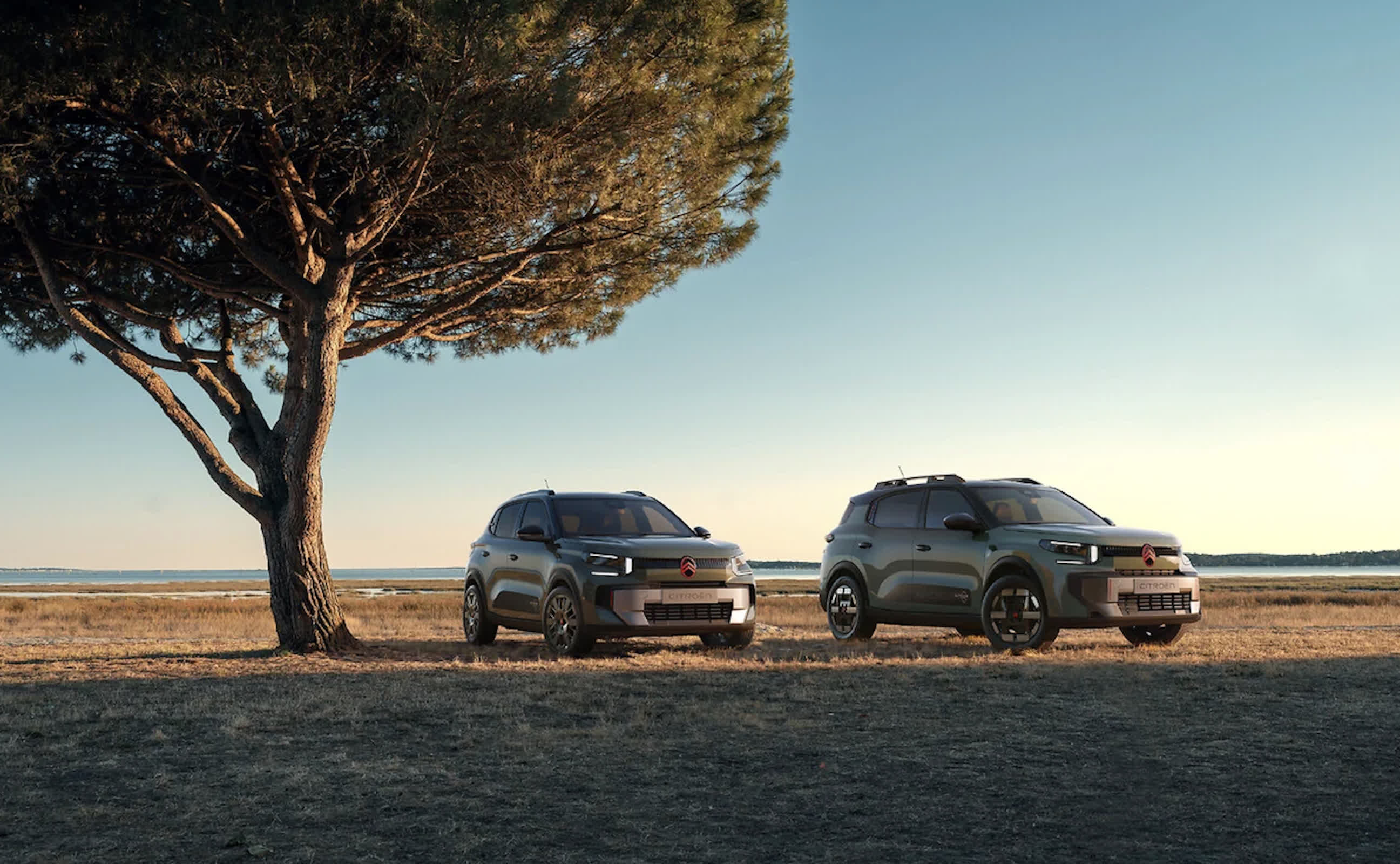
The quadricycle class sits between a moped and a conventional car, and its entry age varies by country. In France and Italy, a driver can start at 14 with a road safety certificate and eight hours of training. The minimum is 15 in Germany and Spain and 16 in the UK.

Those low barriers have fed steady growth. French registrations rose from about 13,000 in 2019 to around 25,000 last year, while European sales went from 30,000 to 60,000 over five years. Teenagers now account for a quarter of all minicar sales, a change tied to the Ami, which launched in 2020.

The powertrain has changed as much as the buyer. Marie-Laure Nivot, a market analyst at AAA Data, says the Ami's launch began a transformation of the sector, and that more than 67% of new license-free cars sold so far in 2026 are electric.

Regulation did part of the work. Mopeds and scooters had traditionally been the vehicles of choice for European teenagers, but stricter EU rules on motorized two-wheelers changed that. Nivot tells the BBC that applying those rules proved too costly for manufacturers, so mopeds and small scooters have almost disappeared from the market since 2020 and license-free cars have taken their place.

The technical limits of the category also suit electrification. A 45 km/h ceiling and short, local trips mean a small battery and motor can do the job, which keeps cost and complexity down compared with a conventional car. Owners point to low running costs as well, and to the lack of administrative formalities beyond insurance.

The market has since shown how dependent it is on policy. Sales rose strongly until 2024 but have flattened in France after subsidies for electric models were withdrawn.

A Stellantis brand entering a small market might have squeezed the French specialists, but it did the opposite. Aixam sales and marketing director Tom Faget says Citroën's marketing reach, which a specialist could not match, taught buyers that the vehicles could be driven from 14 in France and 15 in Germany. In his words, "They gave a lot of visibility to our market."
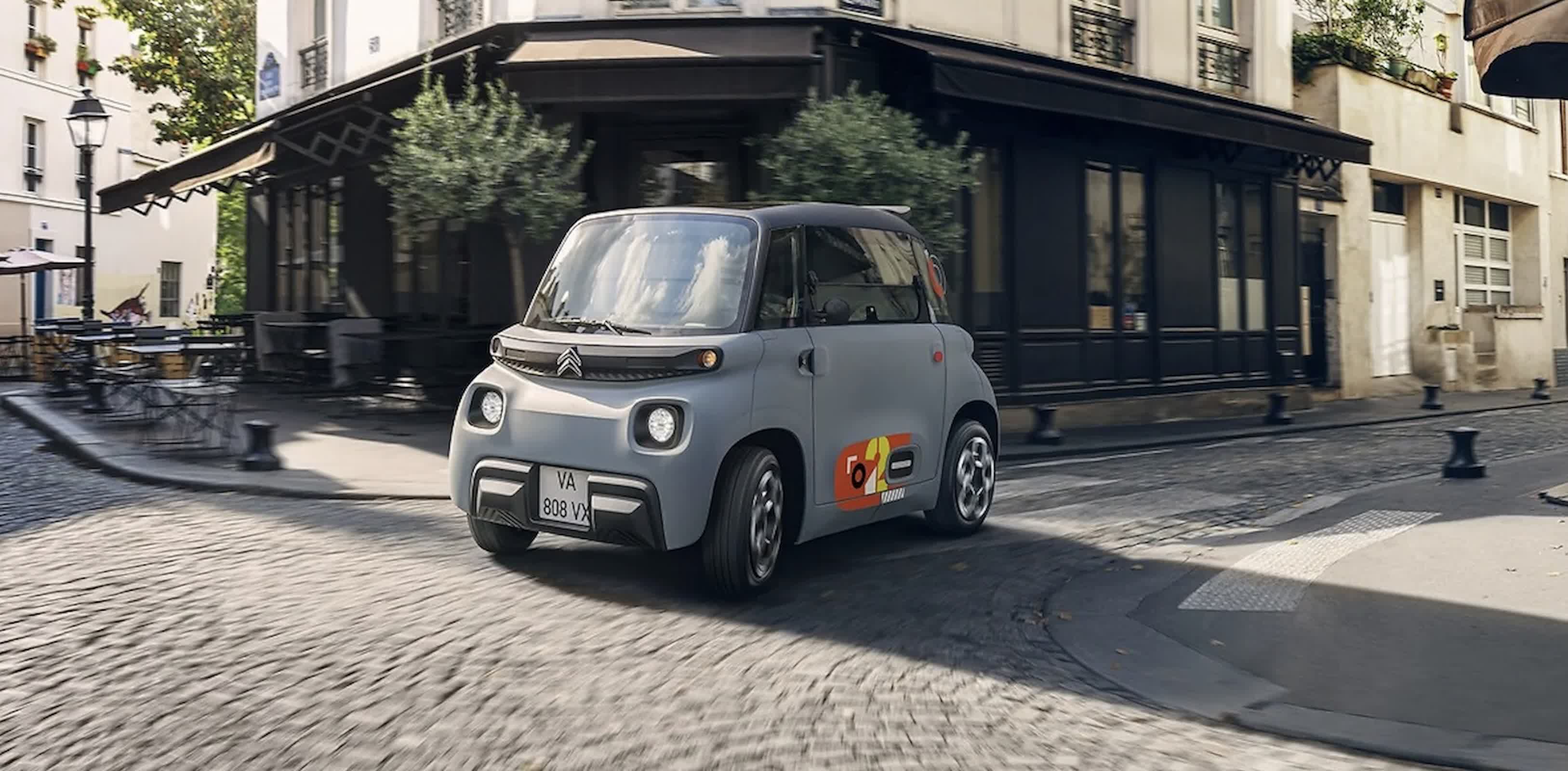
Aixam has invested $33 million in expanding production capacity in France, and its sales are growing in other European countries even as the French market slows.

Rival Ligier is building increasingly sophisticated minicars, some costing as much as a small conventional car. Marketing director Romain Illegems says the biggest change is in who buys them. Where the vehicles were once a necessity for people with no public transport or no license, he says, they are now a choice. Teenagers are picking them over scooters and mopeds for better safety and weather protection, and young people now make up 40% of Ligier's customers.

The older customer base has not gone away. The segment has long served rural retirees and, traditionally, people who had lost their licenses, often for drunk driving. Daniel Laprès, 77, moved from Paris to a French village two years ago. A Canadian national, he failed to swap his foreign license in time and lost the right to drive. With no public transport and taxis proving unworkable, he bought an Aixam.
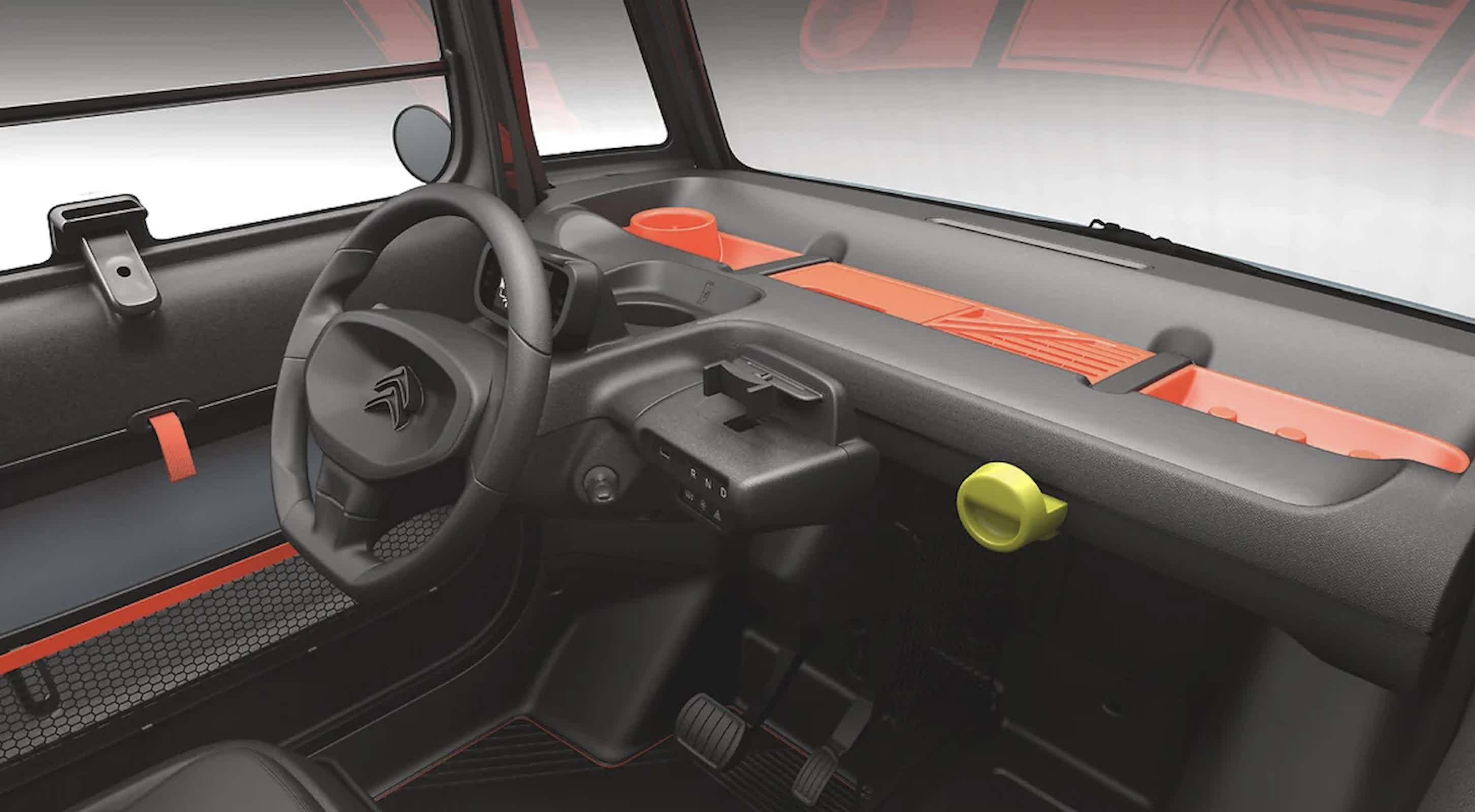
The engineering trade-offs show up on the road. The vehicles are banned from highways, and even on medium-fast roads, being far slower than other traffic is a problem. Laprès says he tried a national highway, where the limit is 110km/h (68 mph), and will not do it again because everything, including the biggest trucks, comes up fast from behind. He also describes the cars as "little more than tin cans on wheels," a reference to the lack of protection if a faster vehicle hits one.

Two seats, a low top speed, and no highway access define the category. For manufacturers, those limits are fixed by regulation. For buyers such as Selena Buse, 16, who rents her Ami for €60 ($66) a month plus insurance, they have so far been an acceptable price for independence.

Permalink to story:

 
Same issue with people transporting themselves in the U.S.A with electric scooters, and bikes.

If your means of transportation is motorized, then you should require to have a motor vehicle license and some sort of very affordable insurance since it's not fair for everyone else for these other riders not to be hold accountable for damages when hitting other vehicles personal property and pedestrians.

For anyone questioning the logistics and implementation involved, think about it harder and you would realize it's not complicated at all, it just requires responsibility.
 
Last edited:
As long as the drivers of these things are trained to be aware of other road users and act accordingly they do serve a purpose. I see the Citroen Ami occasionally where I live and marvel at how incredibly ugly it is. Even uglier than the Cybertruck.
On the flip side, I have been captivated by the clean look of the Aixam for a number of years and would love to try stuffing a classic Mini Cooper 1275s engine into one and have some real fun.
 
Sounds like a case of regulations needing to catch up to the market.
"Nivot tells the BBC that applying those rules proved too costly for manufacturers, so mopeds and small scooters have almost disappeared from the market since 2020 and license-free cars have taken their place."
Even with a lower top speed the added mass likely makes them just as dangerous and they should follow very similar rules no?
Either the mopeds/scooters are overregulated or these things are underregulated.
 
Same issue with people transporting themselves in the U.S.A with electric scooters, and bikes.

If your means of transportation is motorized, then you should require to have a motor vehicle license and some sort of very affordable insurance since it's not fair for everyone else for these other riders not to be hold accountable for damages when hitting other vehicles personal property and pedestrians.

For anyone questioning the logistics and implementation involved, think about it harder and you would realize it's not complicated at all, it just requires responsibility.
"think about it harder" is the cope used by people that cant actually articulate an argument without coming across as a disconnected crank.

Believe it or not, France is doing just fine without obstinate licensing and insurance rackets. The article didnt describe these as menaces and teenagers can easily rent them already.
 
Same issue with people transporting themselves in the U.S.A with electric scooters, and bikes.

If your means of transportation is motorized, then you should require to have a motor vehicle license and some sort of very affordable insurance since it's not fair for everyone else for these other riders not to be hold accountable for damages when hitting other vehicles personal property and pedestrians.

For anyone questioning the logistics and implementation involved, think about it harder and you would realize it's not complicated at all, it just requires responsibility.
People who can't get a license need transportation too. In the US we decided that people should have cars with our urban sprawl. I wonder how my daughter with epilepsy is going to navigate the world without a license. Our public transport is trash.

This quad cycle is a bit of a stretch, but people need to get around to live their lives and designing a world where everyone needs a license for everything isn't the answer.
 
Last edited:
Idi0ts, plain and simple. It doesn't take high speed to create a serious incident on the road, which they will, that's a guarantee. The less responsibility, the more reckless the behavour.

The old-known "'Cos they are french" rings the bell.
 
Oh look, government regulations killed an entire product category enabling more sales for the only product left standing. Unintended consequences of trying to control everything strikes again.

Here’s another: the mini car takes 3-4X the space to park. Been to Europe lately? There’s a second reason mopeds were so popular.

 
People who can't get a license need transportation too. In the US we decided that people should have cars with our urban sprawl. I wonder how my daughter with epilepsy is going to navigate the world without a license. Our public transport is trash.

This quad cycle is a bit of a stretch, but people need to get around to live their lives and designing a world where everyone needs a license for everything isn't the answer.
I do feel very sorry for those with special accommodation needs that can't qualify for driver's license in a society with poor public transportation accessibility...but that's a whole issue on its own but we have to think on the safety and fairness for everyone else, those that can't qualify for a driver's license they should not be on the road driving a motor vehicle regardless of how big or small or the amount of wheels it might have...we license people because that license is a liability and everyone should stand by it.

Think of a scenario a scooter or electric bike driver gets to heavily damage your car...how do you move forward from there when neither the driver nor the vehicle have a license or insurance to report on.

That's the way the world should always work...with equity!
 
"think about it harder" is the cope used by people that cant actually articulate an argument without coming across as a disconnected crank.

Believe it or not, France is doing just fine without obstinate licensing and insurance rackets. The article didnt describe these as menaces and teenagers can easily rent them already.
So I'm assuming it was too hard for you to think about....it's ok, not everyone has an equal capacity to think.
 
I do feel very sorry for those with special accommodation needs that can't qualify for driver's license in a society with poor public transportation accessibility...but that's a whole issue on its own but we have to think on the safety and fairness for everyone else, those that can't qualify for a driver's license they should not be on the road driving a motor vehicle regardless of how big or small or the amount of wheels it might have...we license people because that license is a liability and everyone should stand by it.

Think of a scenario a scooter or electric bike driver gets to heavily damage your car...how do you move forward from there when neither the driver nor the vehicle have a license to report on.
I understand where you are coming from, but every accident I have been in has been from someone 60+. South Park did a great episode on ebikes and we do need to have stiff penalties for people who break the rules, but people do need to get to the store to pick up groceries and prescriptions. People need to get to work

The economic boon of people not being able to get to the store or work is greater than the economic cost of people being *******s on ebikes.

People do lose their jobs and become homeless because of license suspensions. I'm not saying we should take away suspensions, but maybe associating ebikes with failure as a sort of humiliation ritual will act as a deterant while allowing people to keep their jobs and pay their bills.
 
Last edited:
Back