How JPEG Works: The Art and Science of Imperfection

I need to read that a several more times :)
what about WebP - I see enormous compression with alfa channel with virtually no loss of quality

ty for the great article :)
 
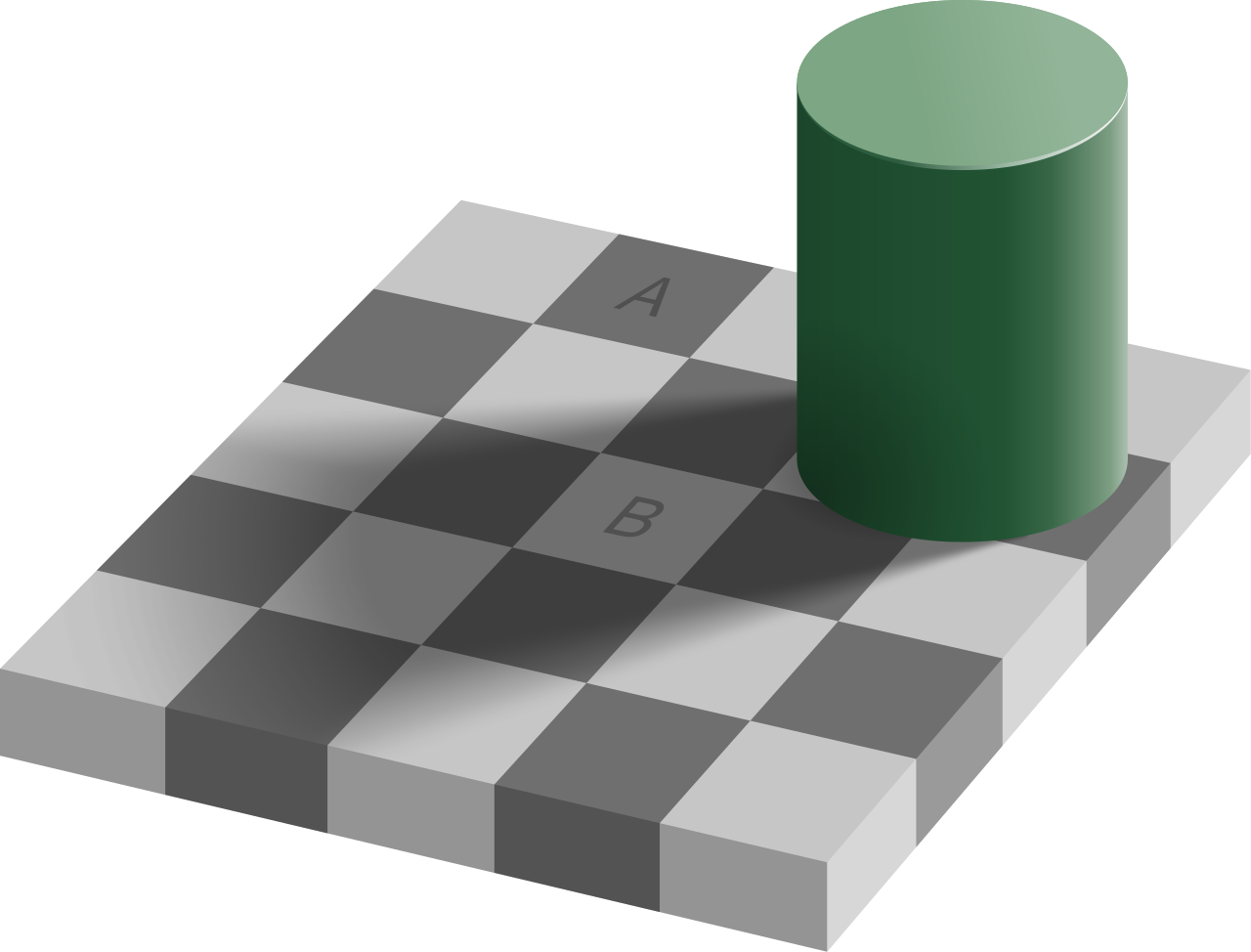
<p>At a high level, JPEG is a lossy image compression technique. What you may not realize is that achieving this <a href="https://www.techspot.com/article/2792-jpeg-explained/">required a fascinating blend</a> of human perception, elegant signal processing, and clever engineering prowess.</p> <p>Let's begin with a visual challenge: What are the colors of the tiles marked as A and B in the image?</p> <p><a href="https://www.techspot.com/article/2792-jpeg-explained/"><img height="974" src="https://www.techspot.com/articles-info/2792/images/2024-01-22-image.png" width="1280"></a></p><p><a rel='canonical' href='https://www.techspot.com/article/2792-jpeg-explained/' target='_blank' class='permalinkfeat'>Read the full article here.</a></p><p class='permalink'><a rel='canonical' href='https://www.techspot.com/article/2792-jpeg-explained/'>https://www.techspot.com/article/2792-jpeg-explained/</a></p>
Thanks for sharing
 
"Effectively, we began this step with three channels (Y, Cb, and Cr), and ended up keeping the information intact in one full channel (the brightness component, Y) and got rid of half the information in the other two channels (Cb and Cr). By going from 3 channels to 1 + ½ + ½ = 2, we are now effectively at 2 channels, or 66% of our original image!"

I think this is wrong. In a 4:2:0 subsampling (replacing the Cb and Cr values of 2x2 blocks with a single one), the compression level should be 50%, not 66%. Instead of storing 4 Y + 4 Cb + 4 Cr = 12 values, you instead store 4 Y + 1 Cb + 1 Cr = 6 values (50% compression).

For the 4x4 case, instead of storing 16 Y + 16 Cb + 16 Cr = 48 values, we can store 16 Y + 1 Cb + 1 Cr = 18 values, or a 33% compression level.
 
Nice article! I "keep" all the photos I take in raw, but share the ones I want in jpeg for obvious reasons. Obviously the raw files will print better, for those I actually print, which these days,
isn't very many like it was in the old days.
 
"Effectively, we began this step with three channels (Y, Cb, and Cr), and ended up keeping the information intact in one full channel (the brightness component, Y) and got rid of half the information in the other two channels (Cb and Cr). By going from 3 channels to 1 + ½ + ½ = 2, we are now effectively at 2 channels, or 66% of our original image!"

I think this is wrong. In a 4:2:0 subsampling (replacing the Cb and Cr values of 2x2 blocks with a single one), the compression level should be 50%, not 66%. Instead of storing 4 Y + 4 Cb + 4 Cr = 12 values, you instead store 4 Y + 1 Cb + 1 Cr = 6 values (50% compression).

For the 4x4 case, instead of storing 16 Y + 16 Cb + 16 Cr = 48 values, we can store 16 Y + 1 Cb + 1 Cr = 18 values, or a 33% compression level.

Thank you for the correction, noted and updated.
 
I need to read that a several more times :)
what about WebP - I see enormous compression with alfa channel with virtually no loss of quality

ty for the great article :)
I believe WebP may be built upon JPG, or at least upon very similar principles. I found that by adding the jpg suffix, old mspaint was able to open the image.
 
Back