Intel never released the Arc B770, but the Arc Pro B70 may show us exactly what it would have looked like. We test Intel's workstation Battlemage GPU in 12 modern games.
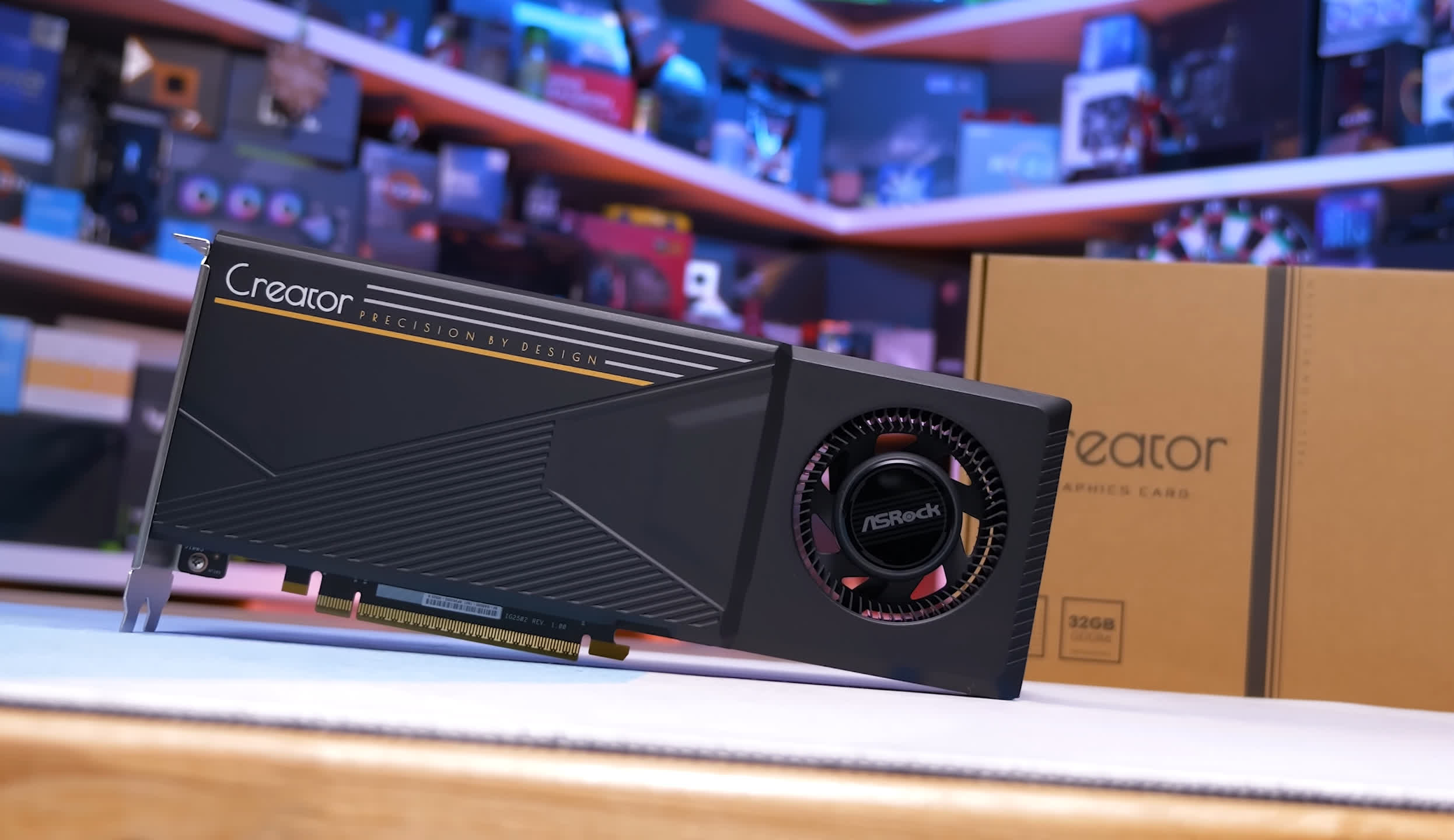
Intel Arc Pro B70 Tested: The Gaming GPU Intel Never Released
Intel never released the Arc B770, but the Arc Pro B70 may show us exactly what it would have looked like. We test Intel's workstation Battlemage GPU in 12 modern games.
Intel Arc Pro B70 Tested: The Gaming GPU Intel Never Released

I think Intel has to keep investing regardless of today's margins. If they step away every time market conditions get tough, they'll never establish themselves as a serious third competitor.Intel probably won't do very well in the dGPU segment under these circumstances. They should focus on improving drivers and features like upscaling and frame gen, so they can be competitive in the future.
Arc development has probably slowed down, till RAM prices are somewhat normal again. No point in selling low to mid-end GPUs if margins are low or none-existing due to expensive memory.
However Intel needs to keep the GPU development going. Drivers/features are crucial for succes here.
Thats true but cards like RTX 3060 is selling again now, many people don't crave the best - will sell, if price is right. So did Arc, back when it was "cheap" enough.I think Intel has to keep investing regardless of today's margins. If they step away every time market conditions get tough, they'll never establish themselves as a serious third competitor.
Driver maturity, XeSS, and frame generation absolutely need to keep improving, but hardware development can't slow to a crawl either. Intel can't afford to spend multiple generations trying to catching up again.
The bigger issue is whether Intel is willing to play the long game. They've already invested billions into Arc, and if they stay committed through a few more generations, they could eventually become a legitimate alternative instead of just an experiment.
The GPU market needs a strong third player. More competition is ultimately better for consumers, even if Intel isn't profitable on every card they sell today.


But my elite gamer, many people just want to play games affordably. Far more than can get 90 class hardware and play at over 200fps. The reason that the 3060 is selling as well as it is is that the vast majority of gamers dont give two shits about graphics fidelity outside of what they can afford. Affordability is a much bigger concern than DLSSvFSRThats true but cards like RTX 3060 is selling again now, many people don't crave the best - will sell, if price is right. So did Arc, back when it was "cheap" enough.
More competition is always good. I am all in for that. Businesses, Intel in this case, just won't focus much on a market with little revenue and Arc needs low pricing to even sell due to being "inferior" overall.
When talking dGPU marketshare today, Intel has like 1%, AMD has 10% and Nvidia has the rest.
Before memory prices spiked, I think Nvidia spent more time on Arc (dGPUs that is). They will for sure keep development going, they will need it for iGPUs and APUs regardless of dGPUs selling or not.
And thats fine, I don't have a problem with casuals but this is a hardware forum, if you don't care about new hardware, why be here. I see too many people butthurt about new tech on this site. I don't use old crap. I don't settle. I use peak-hardware.But my elite gamer, many people just want to play games affordably. Far more than can get 90 class hardware and play at over 200fps. The reason that the 3060 is selling as well as it is is that the vast majority of gamers dont give two shits about graphics fidelity outside of what they can afford. Affordability is a much bigger concern than DLSSvFSR