Mexico's "Gamer Congresswoman" takes Sony to court over physical game disc shutdown

DragonSlayer101

Posts: 1,014   +15
Staff
The big picture: Two Mexican lawmakers have filed an antitrust complaint against Sony over the company's controversial plan to stop releasing physical video game discs by January 2028. Sony announced the move last month, citing shifting consumer preferences driven by faster broadband speeds, which have made digital downloads the preferred option for many gamers.
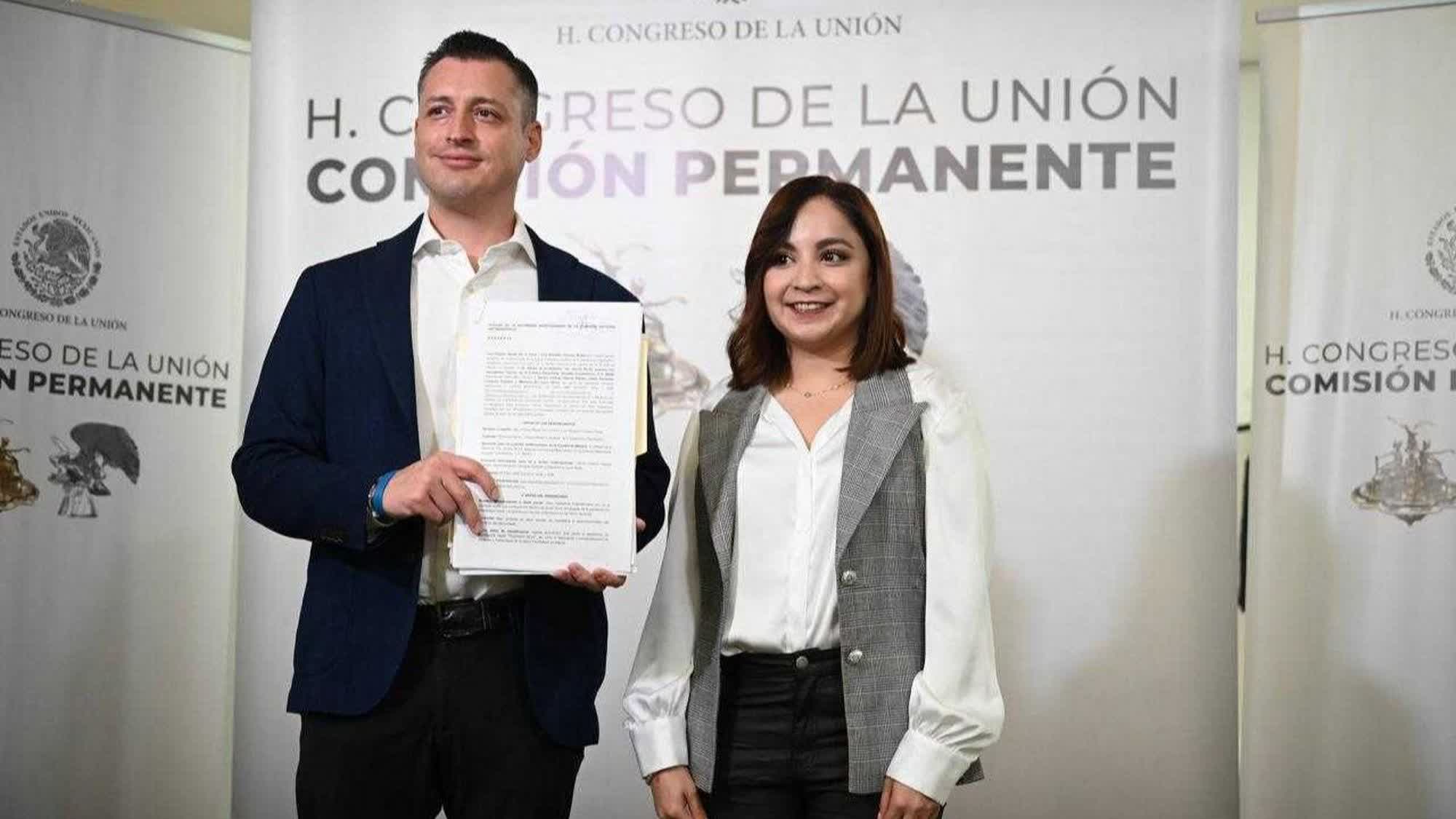
Federal Representative Iraís Reyes, often referred to by Mexican media as the "gamer congresswoman," and Senator Luis Donaldo Colosio submitted their complaint to the country's antitrust regulator, COFECE, earlier this week. They argue that Sony's planned shift to digital-only sales violates Mexico's Federal Economic Competition Law.

According to Reyes and Colosio, Sony's move would give the company monopolistic control over PS5 game distribution through the PlayStation Store, potentially driving up game prices, reducing competition, and damaging Mexico's video game distribution ecosystem by shutting out traditional retailers, harming consumers, and limiting their choices.

They added that phasing out physical discs entirely would also kill the used games market – a thriving business in Mexico and many other countries. Another key issue raised in the complaint is the erosion of software ownership, with the lawmakers arguing that digital downloads force consumers to purchase restricted licenses rather than allowing them to own the actual software.

The lawmakers also argue that without a physical retail channel, developers, publishers, and studios would become entirely dependent on Sony's distribution network, allowing the company to charge excessively high platform commissions and impose unfair terms and conditions. Reyes and Colosio believe that an all-digital future would disproportionately affect independent developers.

Reyes gained popularity among Mexican gamers after successfully campaigning for the rollback of an 8% IEPS "sin" tax on video games classified as "violent." IEPS is a Mexican federal indirect excise tax typically applied to products considered harmful to health or the environment, including tobacco, alcohol, sugary drinks, high-calorie foods, fossil fuels, and pesticides.
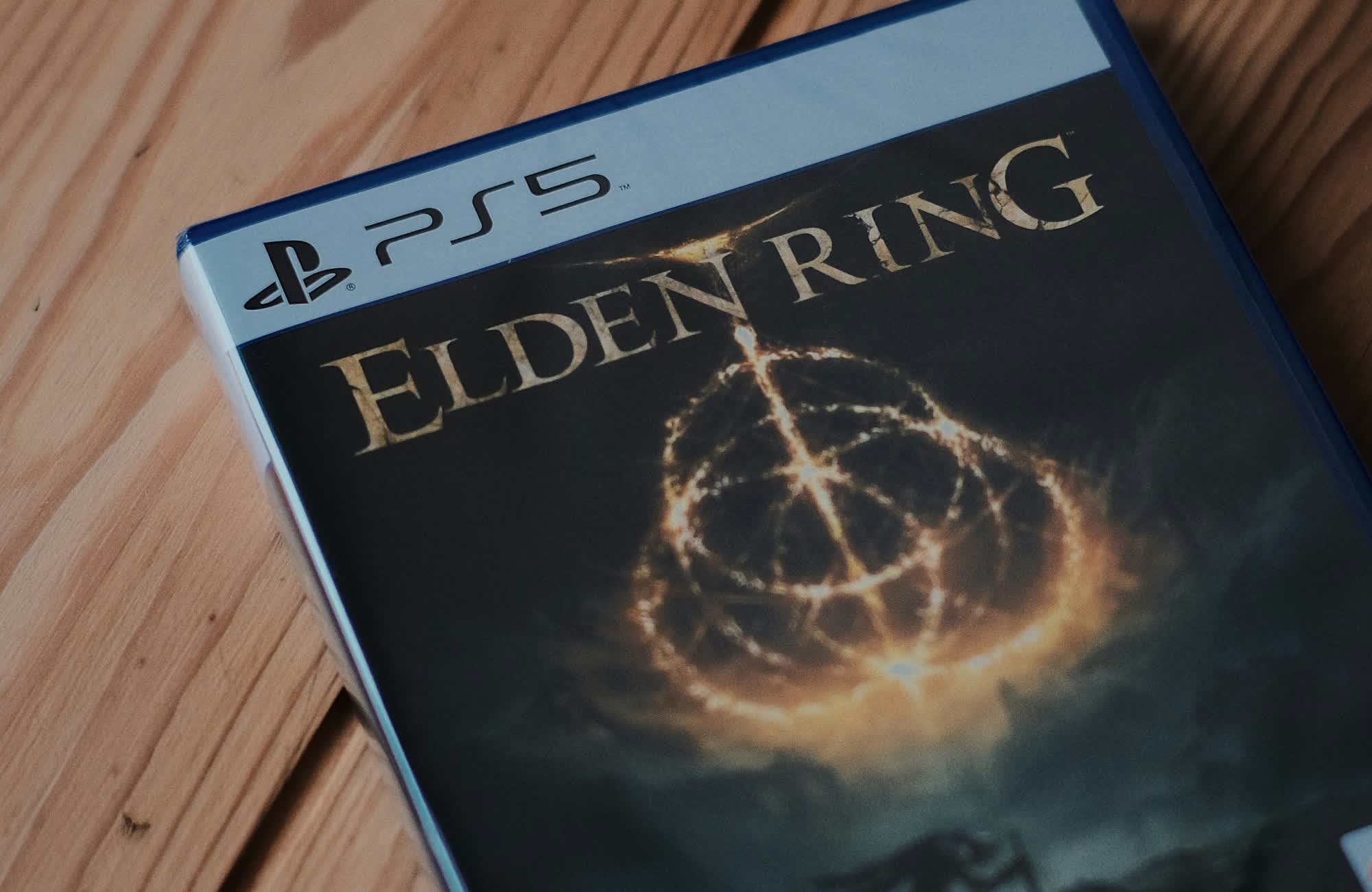
Mexico isn't the only country where lawmakers, antitrust regulators, and consumer advocacy groups are pushing back against Sony. Dutch consumer organization SMC filed a $457 million lawsuit against the company earlier this year, while politicians and consumer rights groups in Brazil, France, and the Netherlands are also challenging the move.

The EU, however, has effectively conceded the matter, stating that it cannot legally prevent Sony from phasing out physical game discs. Speaking to reporters in Strasbourg last month, Michael McGrath, the EU Commissioner for Consumer Protection, acknowledged the bloc's inability to intervene, citing commercial and contractual freedoms.

Permalink to story:

 
Gamers have tried every possible measure to curb predatory business practices except not purchasing garbage. They cannot stop themselves because they feel entitled to have it. You're no more entitled to Sony's games than they are to your money.
 
Maybe I'm archaic, however, dropping physical media also gives Sony the right to drop media downloads. If you pay for a license to use the whatever game is on the media, IMO, Sony should have no right to revoke your ownership of that media. Maybe this example is extreme, however, I see this as akin to paying for a car in full, then the manufacturer coming along and saying we are revoking your right to ownership of said car and you must give it back to us when we demand that you give it back to us.

Not right, IMO. Sony will lose more business especially if they start dropping downloads of games.
 
I wish the focus would move from protecting the physical medium from a specific point of time -- essentially a coincidence -- and back to the fundamental economic change, which is the lawmakers allowed closed monopolistic digital storefronts to undo centuries of standards about how consumers purchase and resell goods such as the First Sale doctrine. The issue is that these stores do not allow resale of purchased items, which should be illegal (as should all the end-runs about "it's not a purchase it's a license" and "centuries of legal precedent don't apply because you can't sue, you have to arbitrate".)

Previous generations had most of this all worked out, we just need to get rid of the BS that got thrown on top of it when technology was new and no one was paying sufficient attention.

 
If Sony PlayStation 6 releases a discless console in the at $999 these children with credit cards will still be lined up to buy them.
 
This is not really about nostalgia for plastic boxes. It is about whether one company should control the only store, set every price, take every commission, and decide how long your purchase remains accessible.

The used-game market is one of the few remaining mechanisms that puts downward pressure on console pricing. Eliminating discs is incredibly convenient, mostly for Sony.
 
Is she going to sue steam, ms xbox, android store...?

This fight has been lost long time ago. If I want to own, I buy gog. I will buy ps6 as well, but knowing well it is convenience device only. We don't own anymore nearly anything. We are pushed into slavery where we don't own a thing and constantly paying for every little scrap we are allowed to rent. Don't blame games, blame housing market, saas, credit cards with easy loans. It is there and always has been.
 
Hopefully through lawsuits like this we can get not just Sony but every gaming publisher to provide true ownership of digital gaming.

We need these companies to allow digital games to be sellable, transferrable, trade-able, gift-able and always accessable regardless on when we bought it.
 
Back