Microsoft plans 100% native Windows 11 apps in major shift away from web wrappers

Skye Jacobs

Posts: 1,985   +58
Staff
First look: Microsoft plans to build 100% native apps for Windows 11 and launch an initiative centered on a new team focused on native experiences instead of web-based wrappers. The company has also created a new team to lead the work, following years in which many core and third-party Windows apps have relied heavily on web technologies.
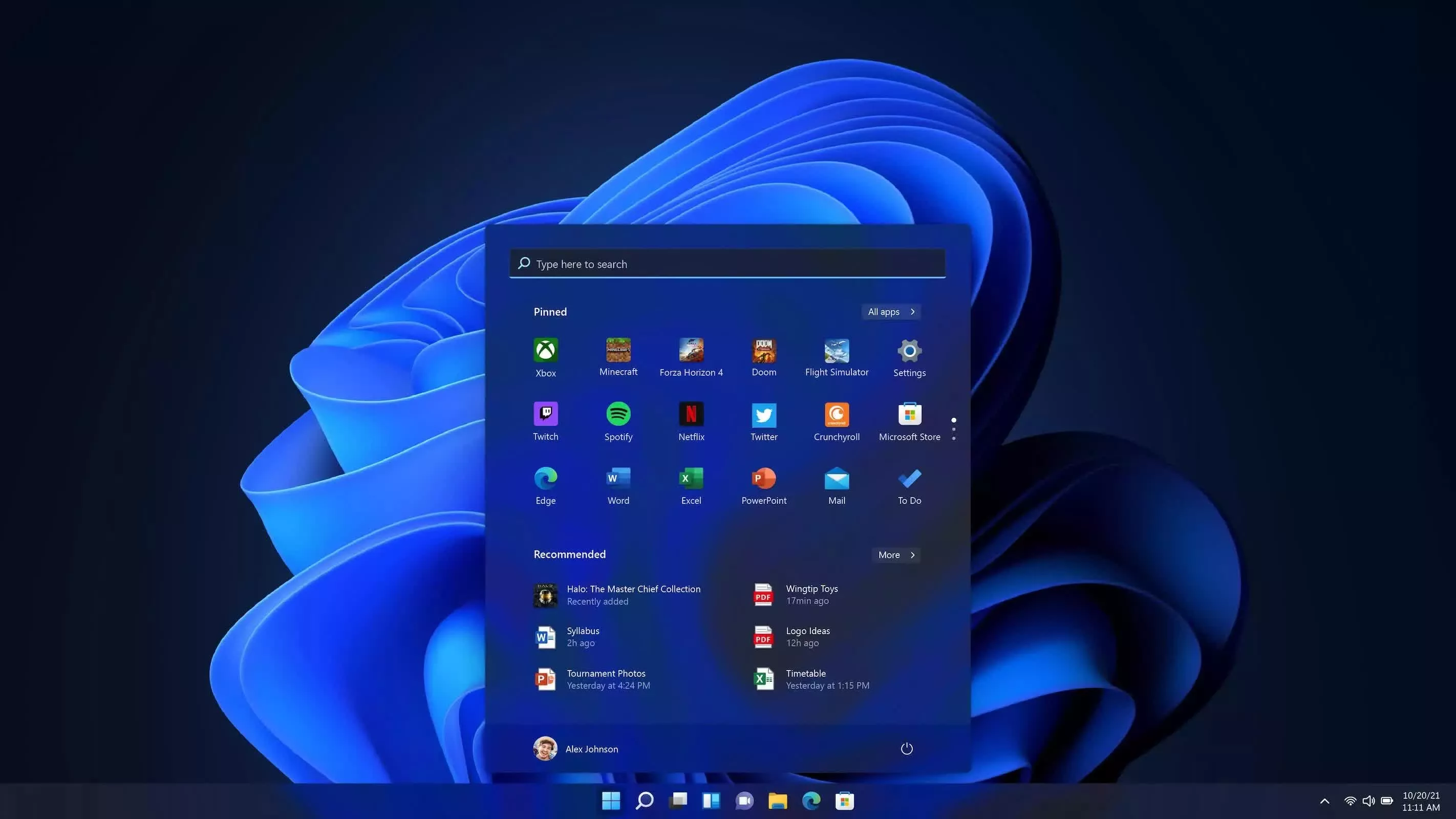
Rudy Huyn, a Partner Architect at Microsoft working on the Store and File Explorer, said in a post on X that he is building a new team to work on Windows apps. "You don't need prior experience with the platform.. what matters most is strong product thinking and a deep focus on the customer," he wrote. "If you've built great apps on any platform and care about crafting meaningful user experiences, I'd love to hear from you."

Huyn later said in a reply that the new Windows 11 apps will be "100% native." The description stands out at a time when many of Microsoft's built-in tools, including Clipchamp and Copilot, rely on web technologies and Progressive Web App architectures. The company's commitment to native performance suggests that some long-standing frustrations around responsiveness, memory use, and interface consistency could finally be addressed.

For Windows developers, Huyn's comments hint at a change in direction. Microsoft's recent development priorities have leaned heavily on web-based approaches, with Progressive Web Apps (PWAs) replacing or supplementing many native programs.

That shift has not always been popular with users. The Windows 11 version of WhatsApp, for instance, dropped its native WinUI framework in favor of a slower, Chromium-based wrapper – a decision that drew criticism from users who preferred the faster native alternative.
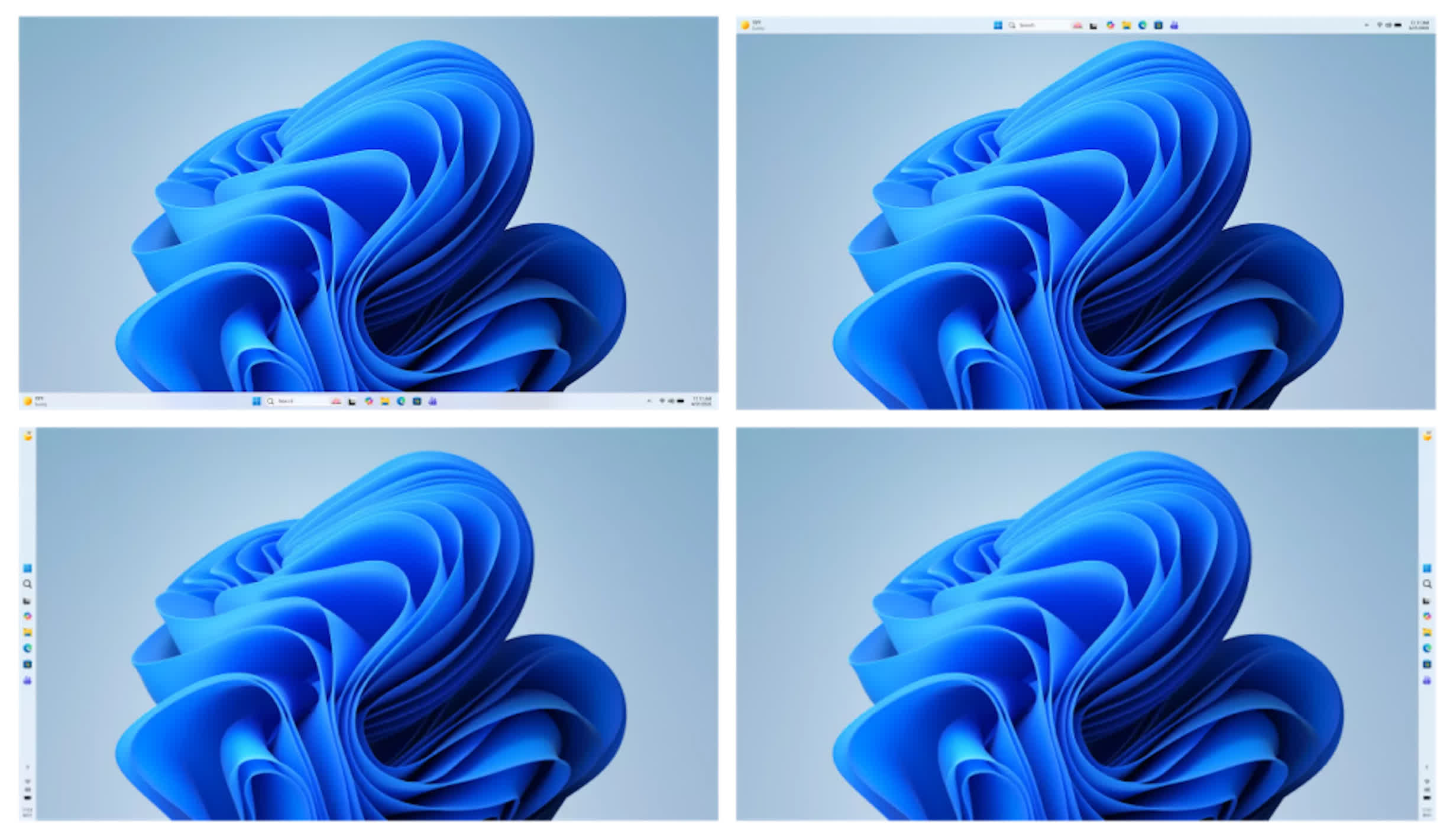
The new team emerges as Microsoft prepares a significant Windows 11 update to improve core system performance and user interface responsiveness. The company says the update will reduce File Explorer launch times, make context menus load faster, and transition the Start menu to the WinUI interface. It will also introduce more flexible taskbar customization, including the ability to resize and reposition it, and a "compact layout" reminiscent of Windows 10.

A pledge to rebuild apps natively appears to complement these broader interface and performance goals. For Microsoft, it could mark the beginning of a more cohesive strategy to make Windows 11 feel modern yet responsive after years of iterative design changes and user complaints.

Back in 2020, then-Windows chief Panos Panay famously said the company wanted users to "love Windows, not just need it." Those ambitions yielded little visible change before Panay's departure. Six years later, Microsoft's new Windows leadership seems intent on turning that sentiment into action.

Exactly which applications will be rebuilt, or how strictly "100% native" will be enforced, remains unclear. Some current Microsoft apps classified as native still depend on WebView for specific features. But the renewed emphasis already has developers paying attention.

Permalink to story:

 
I hope that means they intend on taking "Outlook (New)" out to the back in the way of Old Yeller... Outside of a couple of use-cases, a few specific situations and one glaring count of lagging behind current authentication methods, the PWA option usually causes more issues than it solves.
 
This is a slightly obfuscated way of saying that they're rewriting everything in Rust.

The cancer is real.
 
Sweet Jesus what is going on here? Feels like I've entered some weird trans-dimensional reality where MS actually listens to all the complaints about the OS and tries to do something about it rather than smearing layers of AI Vaseline on top of the horror-show hacks they had nailed onto the beleaguered (but awesome) NT kernel? I need a lie down...
 
There are rumours, that Win11 Start Menu was written in ReactJS :D
Yes I remember hearing that - I think it was just the Recommended section. But again this is a horrible idea for so many reasons. The OS shouldn't be bolted together using 74 different technologies just because the devs wanted React on their CV.
 
Sweet Jesus what is going on here? Feels like I've entered some weird trans-dimensional reality where MS actually listens to all the complaints about the OS and tries to do something about it rather than smearing layers of AI Vaseline on top of the horror-show hacks they had nailed onto the beleaguered (but awesome) NT kernel? I need a lie down...
The US taking losses in what should be a cakewalk conflict.
MS caring about what users want and fixing their OS
Young people getting into skilled trades instead of college
Political and social opinions flipping sides

Bois I think we hit a Berenstein bears moment. Somebody check Fruit of the loom, do they have the cornucopia back yet? Next thing you tell me Xbox is going to have a runaway success next gen!
 
"The Windows 11 version of WhatsApp, for instance, dropped its native WinUI framework in favor of a slower, Chromium-based wrapper"

Yeah, because no one other than Microslop wants to be locked into the Windows ecosystem anymore. It is a decaying corpse and software vendors know they need to keep up with Linux, Mac, and mobile to stay in the game.

Netscape won the browser war. They died in the browser war, but they still won it: the Web has replaced Windows as the application delivery platform.
 
The fact that Microsoft chose to use web wrappers for core apps is bad enough, but to rewrite existing apps that way when Microsoft already had no less then FOUR of their own native frameworks (WPF, UWP, WinUI and MAUI) that have been around for decades and are well tested and trusted, is mindboggling.

It's a classic case of "Being able to do something doesn't mean one should."
 
"The Windows 11 version of WhatsApp, for instance, dropped its native WinUI framework in favor of a slower, Chromium-based wrapper"

Yeah, because no one other than Microslop wants to be locked into the Windows ecosystem anymore. It is a decaying corpse and software vendors know they need to keep up with Linux, Mac, and mobile to stay in the game.

Netscape won the browser war. They died in the browser war, but they still won it: the Web has replaced Windows as the application delivery platform.

You do realise that .Net is both open source and cross platform, right? And it's FAR more resilient and better suited to desktop applications on so many levels that any web app is. Web apps are amazing in that can actually do what they do, but it's a little like being amazed at a horse that can 'count'.
 
This is all good news, especially if by "native" they mean actual Win32 coded in C++ (sh'yeah right).

Too bad Microsoft is still refusing to address the actual elephants in the room:

1. Bring back internal QA / testing departments that must greenlight anything (including updates and hotfixes) before being released to the public, even if that means slower cadence. If Microsoft really wants to turn Windows around and change its reputation, Nadella should make a public presentation where he imitates Ballmer but instead of "developers, developers, developers" he yells "testers, testers, testers".

2. The bloat. Remove the bloat that's been contributing to performance and stability problems in the first place. No Copilot, no Cortana, no Windows Search, none of that crap. Go back to basics and make all current OOBE features and services aside from Defender, opt-in. OOBE for Home and Pro editions should be as lean as current Enterprise LTSC. For Education, Enterprise and Enterprise LTSC editions, OOBE should be as lean as in current Windows Server.

3. Stop or at least attempt to stifle the nepotistic hiring practices brought by AI during the last decade.
 
I’m building a new team to work on Windows apps! You don’t need prior experience with the platform, what matters most is strong product thinking and a deep focus on the customer.
To me that reads as "Hey, wanna be a 'prompt engineer'?"

 
Whatchya wanna bet it won't make much difference, especially to professional IT's. It's like which is really better, W10 or W11? Not much difference at all to me. Windows registry nor windows power shell or terminal or command prompt, or whatever you call it, has changed very little since the days of WXP..
 
Last edited:
I really hope for a native ASIO support, now that Steinberg has released the ASIO SDK as open source.

 
I'll believe it when Office is returned to a one-time purchase app.
The reason they went web-centric was so that they can charge recurring fees.
I am gradually moving to Debian Cinnamon.
 
Back