Connecting the dots: Valve recently released an official port of SteamOS for Arm devices alongside the Steam Frame headset. Now, modders and open-source developers are turning the company's work into a renaissance of "Steam-like" experiences across a growing number of handheld devices.
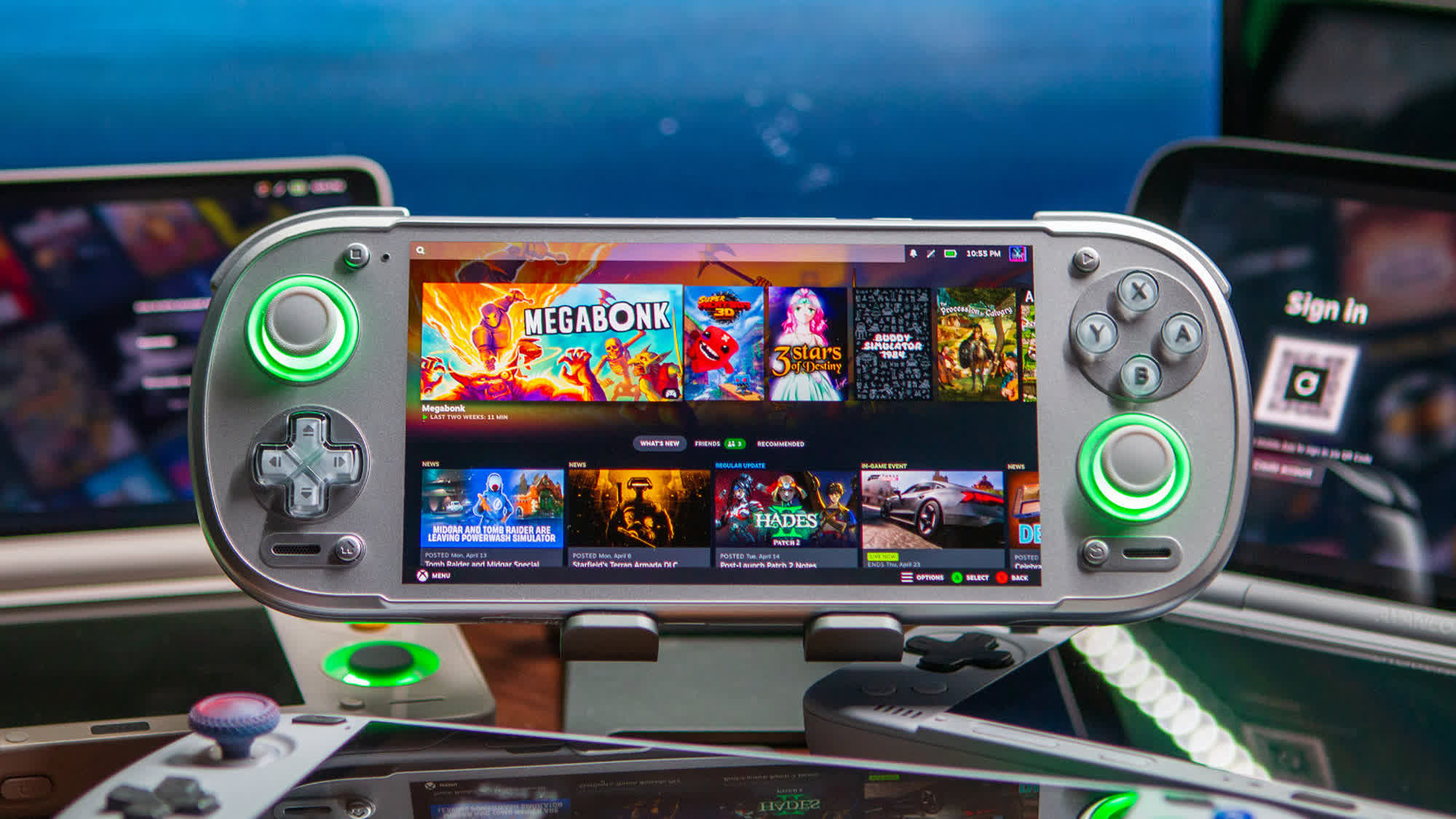
The recently introduced Steam Frame is delivering more than just Valve's new VR experience. The headset is based on the Snapdragon 8 Gen 3 SoC, which means the company had to tune its SteamOS platform to run on Arm-based processor technology.
The gaming-focused operating system includes both open-source and proprietary components, and FOSS developers are now exploiting this hybrid nature to port SteamOS's previously exclusive features to other devices.
The number of projects designed to bring the new SteamOS experience to Android-based devices is growing by the day. The main effort started months ago with the Armada project, well before Valve introduced the official Arm-based Steam Frame hardware. What's more, Armada-like projects are now appearing for Android gaming handhelds.
Armada is designed to provide a SteamOS-like Linux experience on Arm handhelds. The system packs the Linux kernel, Valve's Arm64 Steam release running as a userspace application, the FEX emulator, Proton, and other components required to build a compatibility bridge between x86 Windows games and the Arm Linux environment.
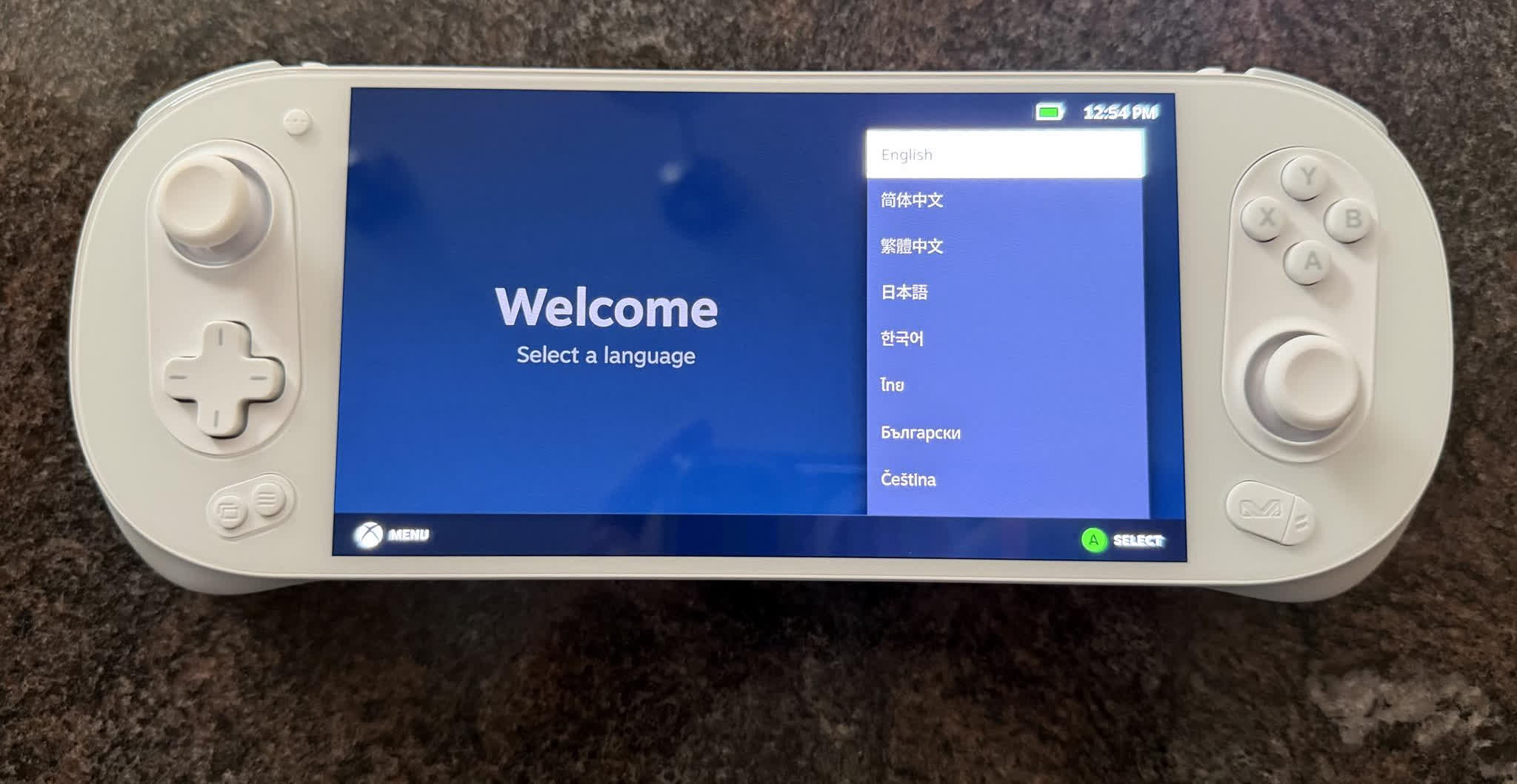
As of today, Armada provides the most reliable Steam experience on handhelds made by Ayaneo, Ayn, Retroid, and Konkr. Thanks to Steam Frame's SteamOS release, more ports are now coming online for Ayn's Odin 2/Odin 3, Konkr's Pocket Fit G3, and Ayaneo's Pocket S2/S2 Pro. These porting efforts rely on SteamOS's native hardware support for the Snapdragon 8 Gen 3 SoC, but developers still need to build a custom Linux distribution that can run on the target device.
Needless to say, compatibility and reliability may vary significantly compared with the "official" SteamOS and Steam Frame experiences. Some of these devices are based on the same Snapdragon 8 Gen 3 technology used in Valve's headset, making developers' lives just a tad easier than they might otherwise be.
The idea of turning an Android handheld device into a custom Steam Deck machine will certainly appeal to mobile gaming enthusiasts, especially after Valve decided to cripple the platform with a massive price hike a few months ago. Most certainly, Valve will never provide any kind of official support for hardware or software issues related to SteamOS ports to Android handhelds; the open-source community will have to deal with those problems on its own.
Modders are turning Android handhelds into "mini" Steam Decks


