Ripple effect: One of the most popular pieces of computer software is about to deliver a better experience on Linux machines. The Steam client is going 64-bit, providing feature parity with versions designed to run on different operating systems.

A recent Steam Client Beta update brought the program into the 64-bit era on Linux. The native Linux version of the massively popular gaming client is now a 64-bit application, which means it gains access to a few significant enhancements and, hopefully, a more reliable software experience.
Until last week's beta update, Steam's main binary ran as a 32-bit application even on 64-bit Linux distros. Some components, such as steamwebhelper, were already 64-bit. Now the main client uses 64-bit code as well, which should significantly expand memory access and improve the software's overall security.
Steam is going 64-bit, but Linux users will still need to provide 32-bit libraries and graphics drivers for compatibility reasons. Valve said Linux operating systems that only work with 64-bit software are not supported just yet, which might further complicate the job of distro maintainers. The Fedora team floated dropping 32-bit library support last year, but withdrew the proposal after pushback over Steam compatibility – or lack thereof.
The same beta brings a few additional changes to Steam's experience. The gaming client now runs inside its own "Steam Runtime" container, which should help the program behave more consistently across different Linux distros. The same technology is used by Steam games, which can use either 32- or 64-bit code regardless of the client's architecture.

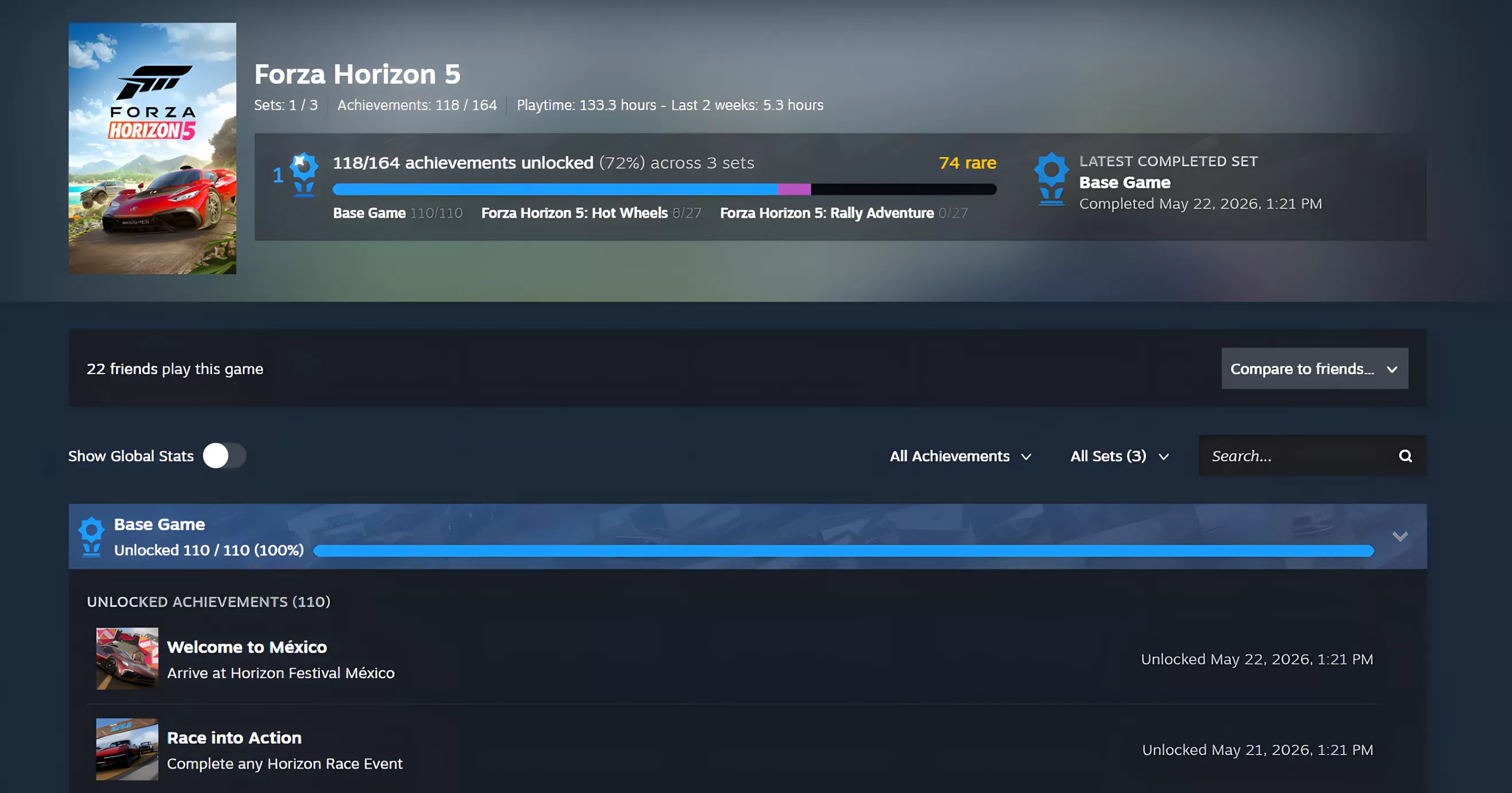
Another notable change is Steam Achievement Sets, a new way to organize and track in-game achievements across base game releases and additional downloadable content. The sets should also give developers a new type of seasonal goal. Games already supporting the new beta feature include Left 4 Dead 2, Portal 2, Call of Duty: Modern Warfare 4, and more than a dozen others.
Steam's new 64-bit architecture on Linux is a significant change, as Steam is becoming a major driving force behind Linux gaming experiences and products. Most of Valve's hardware devices rely on SteamOS, which is based on a special version of Arch Linux. Even modders are having a lot of fun exploiting the open source nature of SteamOS to build some interesting handheld projects.
Steam on Linux is going 64-bit as Valve leans harder on the platform


