In brief: Unlike previous releases, Windows 11 significantly limits the number of systems on which users can attempt to install the new operating system. Needless to say, some developers have recognized Microsoft's challenge and raised the stakes considerably.

A new open-source utility is bringing the latest Windows editions to places where Microsoft developers dared not go. Initially released a few weeks ago, WinPOPBit is designed to "pop" some of the most restrictive hardware requirements in newer Windows 11 versions. The project is progressing rapidly, which means even more ancient CPUs could soon become "compatible" with the latest PC operating systems.
WinPOPBit primarily targets Windows 11's requirement for CPUs with POPCNT and SSE4.2 instruction support, as well as Windows 10's NX bit requirement. Microsoft introduced the new CPU requirements with the Windows 11 24H2 update, preventing OS enthusiasts from installing the latest release on PCs still running decades-old processors.
Despite acknowledging these new "hard" CPU requirements, WinPOPBit's developers have found a way to restore compatibility. The Python tool is essentially an "experimental patcher" capable of modifying a few relevant bytes in Windows system files, allowing newer OS releases to boot and run on CPUs that date back to before Windows 7 was even a thing.
– Bob Pony (@TheBobPony) November 7, 2026
WinPOPBit is designed to directly patch binary files that host the Windows NT kernel (ntoskrnl.exe), the system boot loaders (winload.efi and winload.exe), and several additional DLL files. The developers explain that Windows 11 24H2 and newer versions check for POPCNT and SSE4.2 CPU support but do not actually require these newer instructions for 99% of their files. Meanwhile, Windows 10 primarily requires the NX bit for its innermost, ring 0-level kernel code.
WinPOPBit has already restored Windows 11 and Windows 10 compatibility on some truly ancient x86 processors, including AMD's Athlon II and Intel's Pentium 4 "Northwood" CPU from 2002. Now, the developers are working to expand the tool's capabilities even further, bringing support to increasingly old hardware.
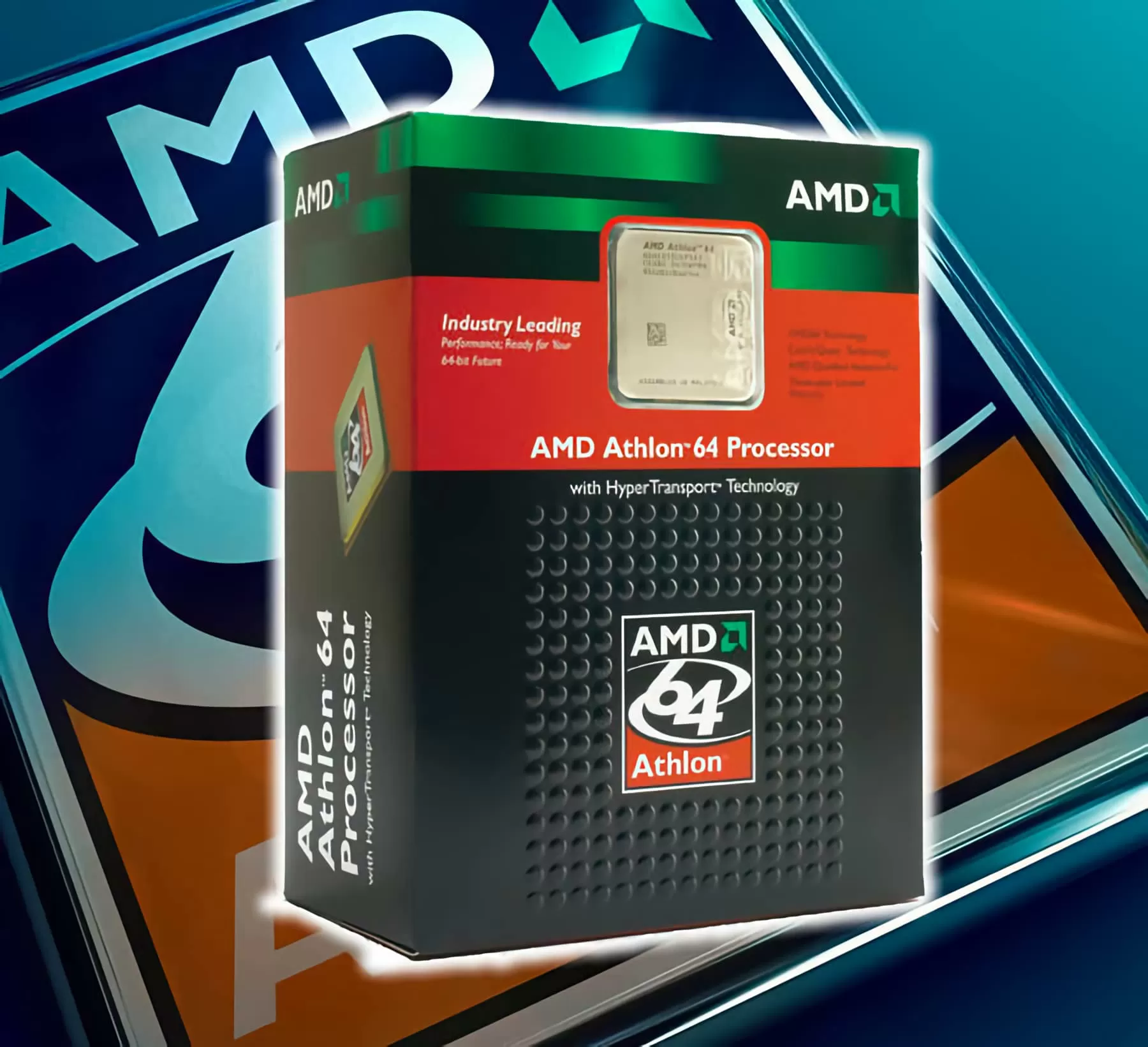
The latest code commits could allow Windows 10 and Windows 11 23H2 to run on AMD systems based on Socket 754, 940, and 939, as well as AM2-based CPUs from the AMD K8 family. The upcoming WinPOPBit release should also force Windows 11 to boot on the Athlon 64. You heard that right: thanks to a third-party Python script, hardware enthusiasts may soon be able to install a modern 64-bit Windows release on AMD's first 64-bit processor, released in 2003.
Additionally, WinPOPBit is expected to support patched versions of Windows 10 and Windows 11 23H2 on Intel LGA 775 systems, including those powered by Pentium 4 "Prescott" and Pentium D "Smithfield" processors. Using the tool isn't for the faint of heart, and the WinPOPBit developers clearly state that Microsoft will not provide official support for this kind of tinkering.
New WinPOPBit tool bypasses Windows 11 CPU restrictions to support truly ancient PCs


