New York sues Valve, arguing loot boxes cross the line into gambling

Skye Jacobs

Posts: 2,030   +59
Staff
What just happened? A legal battle in New York could redraw the boundaries between gaming and gambling. Attorney General Letitia James has filed a lawsuit against Valve Corporation, alleging that the mechanics behind its popular loot box systems violate state gambling laws and expose young players to harmful and addictive behavior.

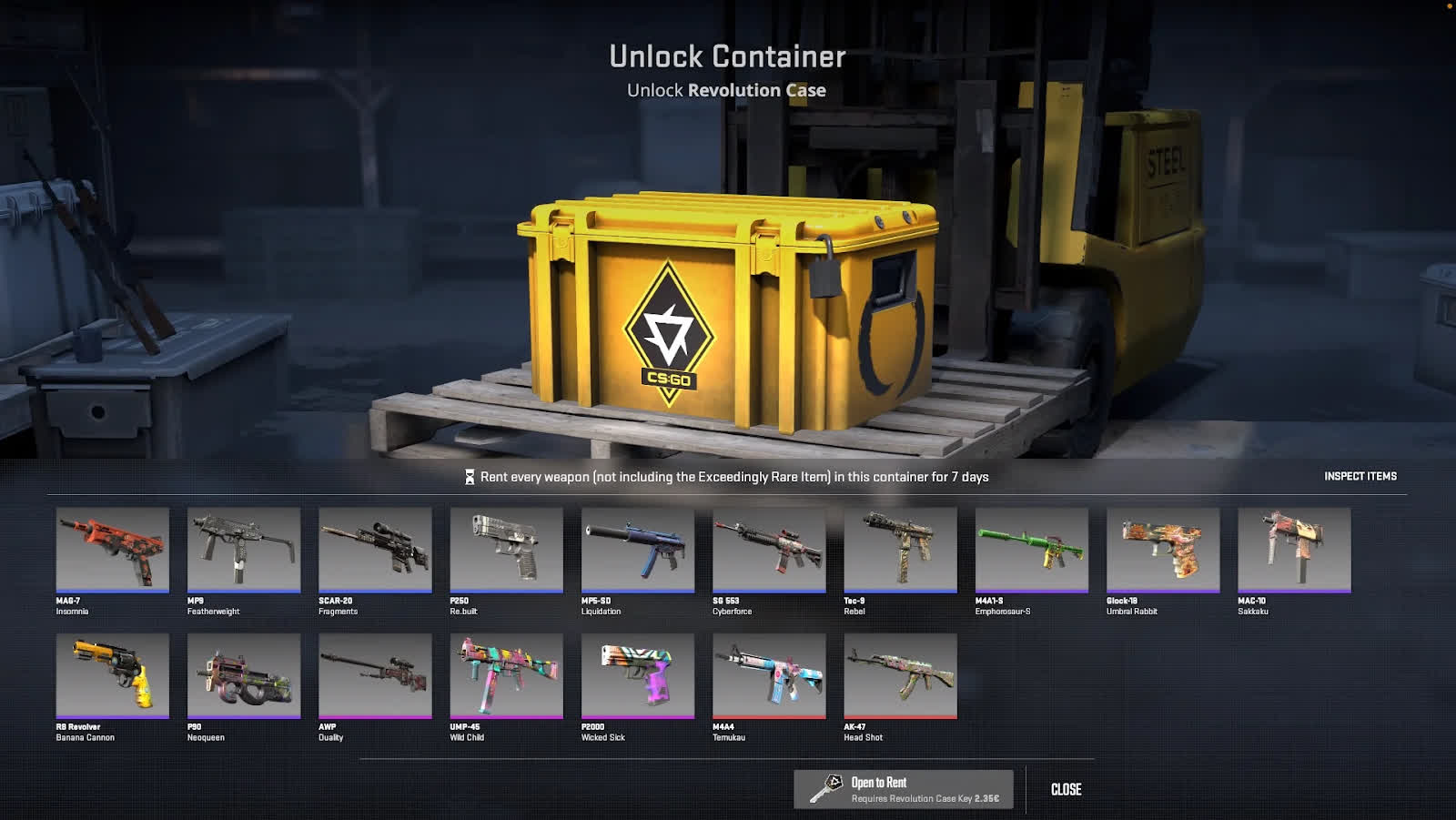
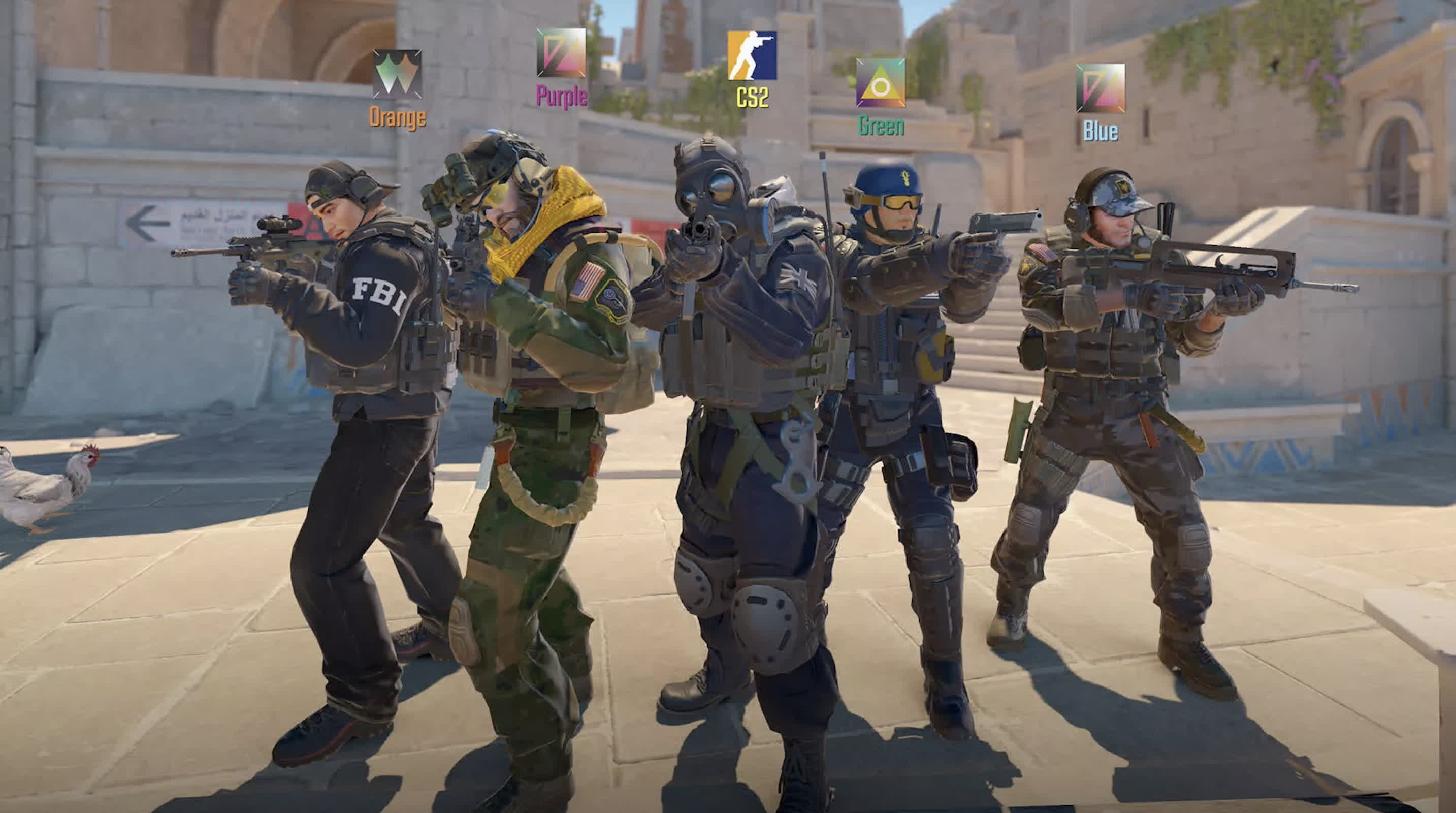
The complaint centers on three of the company's best-known titles: Counter-Strike 2, Team Fortress 2, and Dota 2. Each game lets players purchase digital loot boxes with real money for the chance to receive randomized items.

Some of those prizes, particularly rare skins and weapon cosmetics, can later be resold on Valve's Steam Community Market for substantial sums. Because these virtual goods hold real monetary value, prosecutors contend that players are effectively wagering money on uncertain outcomes – I.e., gambling.
"Illegal gambling can be harmful and lead to serious addiction problems, especially for our young people," James said in a statement. She accused Valve of earning billions in revenue by allowing both children and adults to "illegally gamble for the chance to win valuable virtual prizes" and promised to pursue fines and an injunction to stop the alleged conduct.

The Attorney General's investigation extends beyond Valve's internal economy. It claims the company has "facilitated and even assisted" independent trading markets where third-party vendors handle skin sales for cash.

The Counter-Strike skin market alone is estimated to generate billions each year. In 2023, an extremely rare CS:GO AK-47 skin sold for over $400,000.

Valve has previously confronted public criticism for its in-game economies. More than a decade ago, the company moved to shut down Counter-Strike gambling sites that used the same systems now under scrutiny.
Those efforts did little to dismantle the broader gray market that evolved around trading and resale. Developers within the gaming industry have since accused Valve of normalizing casino-like mechanics, pointing to the addictive psychology behind randomized reward design.

While the lawsuit focuses on gambling-related issues, the filing also touches on another politically charged concern: violent content in games. James's office suggests that Valve's titles, which often feature gunplay, "glorify violence and guns," potentially desensitizing young players.

That section of the complaint appears intended to strengthen the public-interest argument rather than serve as a core legal claim, as no direct link to gambling law is established.

Valve has not yet responded to the lawsuit. If New York's case proceeds, it could test whether state gambling regulations apply to virtual goods when those goods are bought, sold, and valued like physical assets. The outcome may ripple far beyond Valve, forcing gaming platforms and regulators to redefine where entertainment ends and gambling begins.

Permalink to story:

 
Go after all of them, Valve, EA, Blizzard, Epic, Ubisoft, all of them, it’s obviously gambling and has been since day one.

They’ve pushed their luck more and more over the years, (“surprise mechanics”) but at some point, the law needs to shut it all down unless these companies are prepared to actually abide by gambling laws.
 
Wait, people BUY games in which they BUY stuff?

Perhaps protecting such people from the consequences of their actions is doomed to fail.
 
As they are only cosmetic and not part of a pay-to-play model I don't really have a problem with people wasting money on them (I'm UK based so gambling adverts are all over the TV screens at anytime of day and night). Can't really see the appeal but there should be age limits against them so only adults can waste their money on this. Across the pond there is a "oh no it's gambling" mentality - posting on social media this side of the pond is a bigger gamble (with our freedom) so who cares about a few funny hats.....
 
So how do these loot boxes differ from collectible card games (like Pokemon or Magic the Gathering)? In both cases people buy a sealed, random assortment of items, with different items having very different market values. Should those sorts of games also be regulated as gambling?
 
So how do these loot boxes differ from collectible card games (like Pokemon or Magic the Gathering)? In both cases people buy a sealed, random assortment of items, with different items having very different market values. Should those sorts of games also be regulated as gambling?
While I agree with you, I believe what makes it different is that cards packs are relatively low cost and you always get something of use (the physical card) and when you do loot boxes you get a in game sticker which is not useful or of value. But yes it is hard to determine what is gambling and what is not.
 
The ONLY reason you see states going after things like this is because the STATE wants "their share"
in the form of taxes!
 
So how do these loot boxes differ from collectible card games (like Pokemon or Magic the Gathering)? In both cases people buy a sealed, random assortment of items, with different items having very different market values. Should those sorts of games also be regulated as gambling?
Yes

Two wrongs no maketh a right
 
So how do these loot boxes differ from collectible card games (like Pokemon or Magic the Gathering)? In both cases people buy a sealed, random assortment of items, with different items having very different market values. Should those sorts of games also be regulated as gambling?
Random chance alone is not the same as gambling. Otherwise baseball cards and gumball machines would be gambling.

The problem with loot boxes is that they use every psychological trick, house odds manipulation, and other dirty trick Vegas has learned over the decades. They are gambling. Except they found a loophole in the law by having customers trade real money for virtual definitely-not-currency before the gambling begins.

I mean you wouldn't charge sales tax on purchasing plate armor in Azeroth right? So gambling in a game with game money is just a game right?
 
Back