Samsung avoids worst-case strike scenario as court restricts union action

midian182

Posts: 11,710   +177
Staff member
What just happened? A court in Korea has just given Samsung Electronics breathing space as the threat of a strike that could exacerbate the memory crisis approaches. The ruling comes as the company faces what could be the largest walkout in its history, one involving more than 45,000 workers and billions of dollars in disputed bonuses.
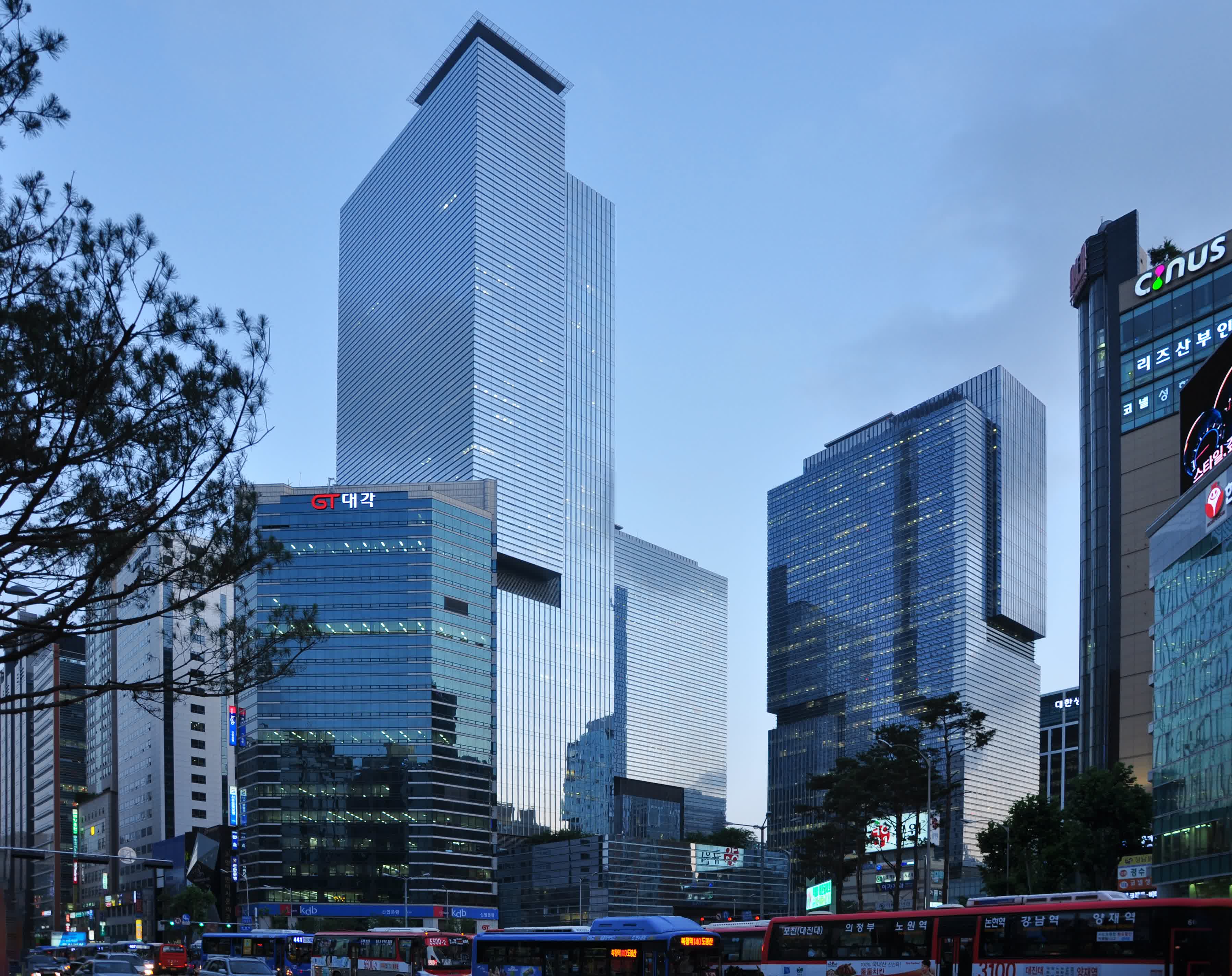
The Suwon District Court has partially approved Samsung Electronics' request for an injunction against labor actions planned by its unions. The ruling says any strike must not disrupt production, damage materials or finished products, or interfere with safety-related operations. Workers are also barred from blocking access to company sites or occupying facilities.

The ruling is a major blow to the unions ahead of an 18-day strike scheduled to begin on May 21. The action comes as the AI boom continues to fuel a crushing shortage of memory chips, which has pushed up profits for Samsung and its rivals.

The court did not ban the strike outright, despite some reports framing it that way. The unions can still walk out, but the ruling makes it much harder for them to hit Samsung's chip production. Violations could cost the two main unions $72,000 per day, while union leaders face daily fines of 10 million won ($6,683).

As we reported earlier this month, Samsung workers rejected a bonus package that could have been worth about $340,000 per employee – they want the bonus every year, not just as a one-off.
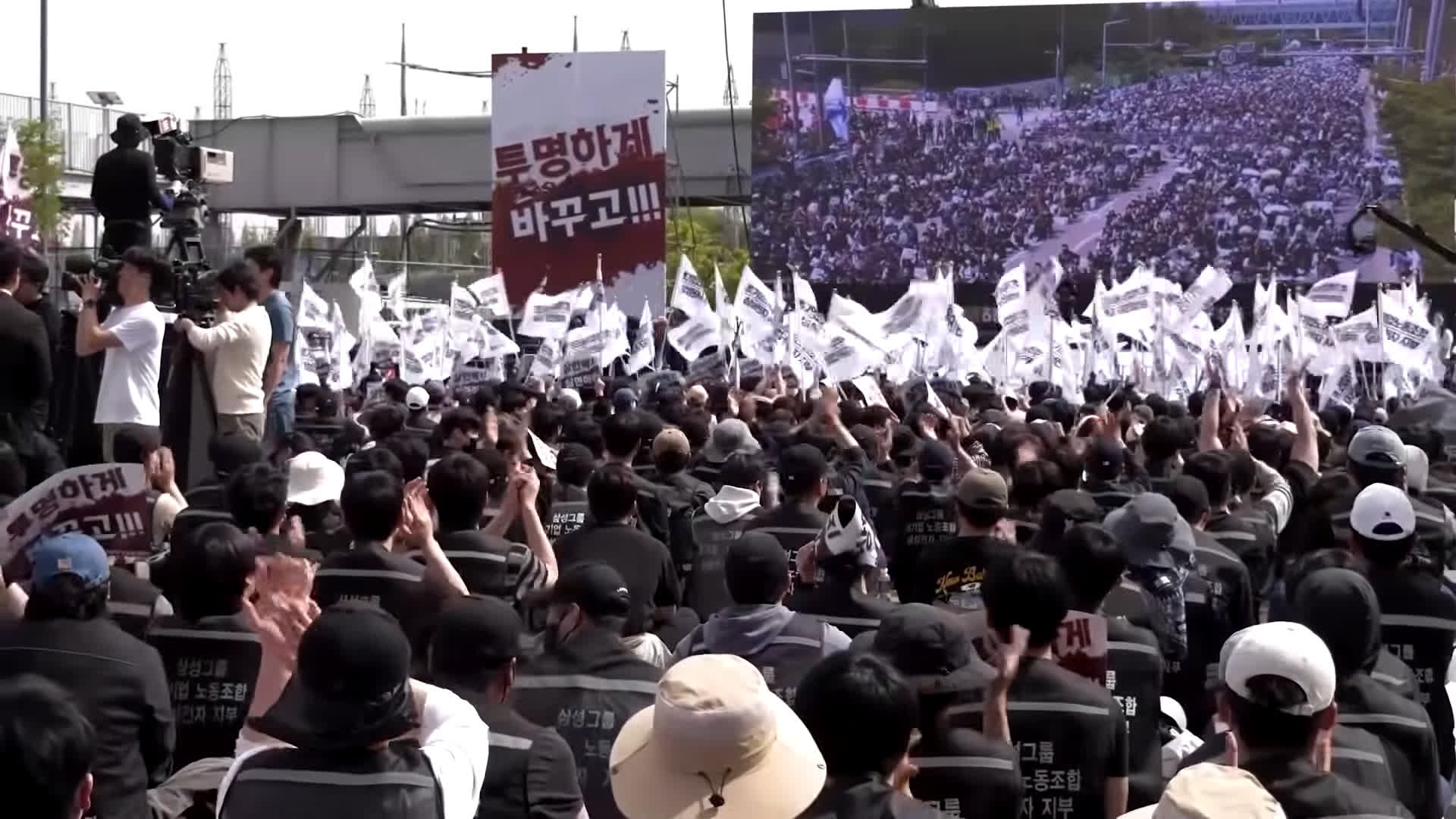
The employees' frustration centers on the gap with rival SK Hynix, whose workers are enjoying much larger payouts thanks to its dominance in HBM for Nvidia's AI accelerators.

The unions are demanding that Samsung set aside 15% of its semiconductor operating profit for performance bonuses and remove the current 50% performance bonus cap. Depending on profits, that could create a bonus pool worth tens of billions of dollars, with some estimates putting the figure as high as $30 billion.

Samsung and union representatives resumed government-mediated talks on Monday in what looks like the last serious attempt to avoid the walkout.

South Korea's government is clear about how badly it wants a deal. Prime Minister Kim Min-seok has said Seoul will pursue all options, including emergency arbitration, which would suspend industrial action for 30 days.
Kim warned that a single day of halted semiconductor production could cause direct losses of up to 1 trillion won, around $668 million. If wafers and materials already moving through the months-long chipmaking process were ruined, he said the wider economic damage could reach 100 trillion won, or around $67 billion.

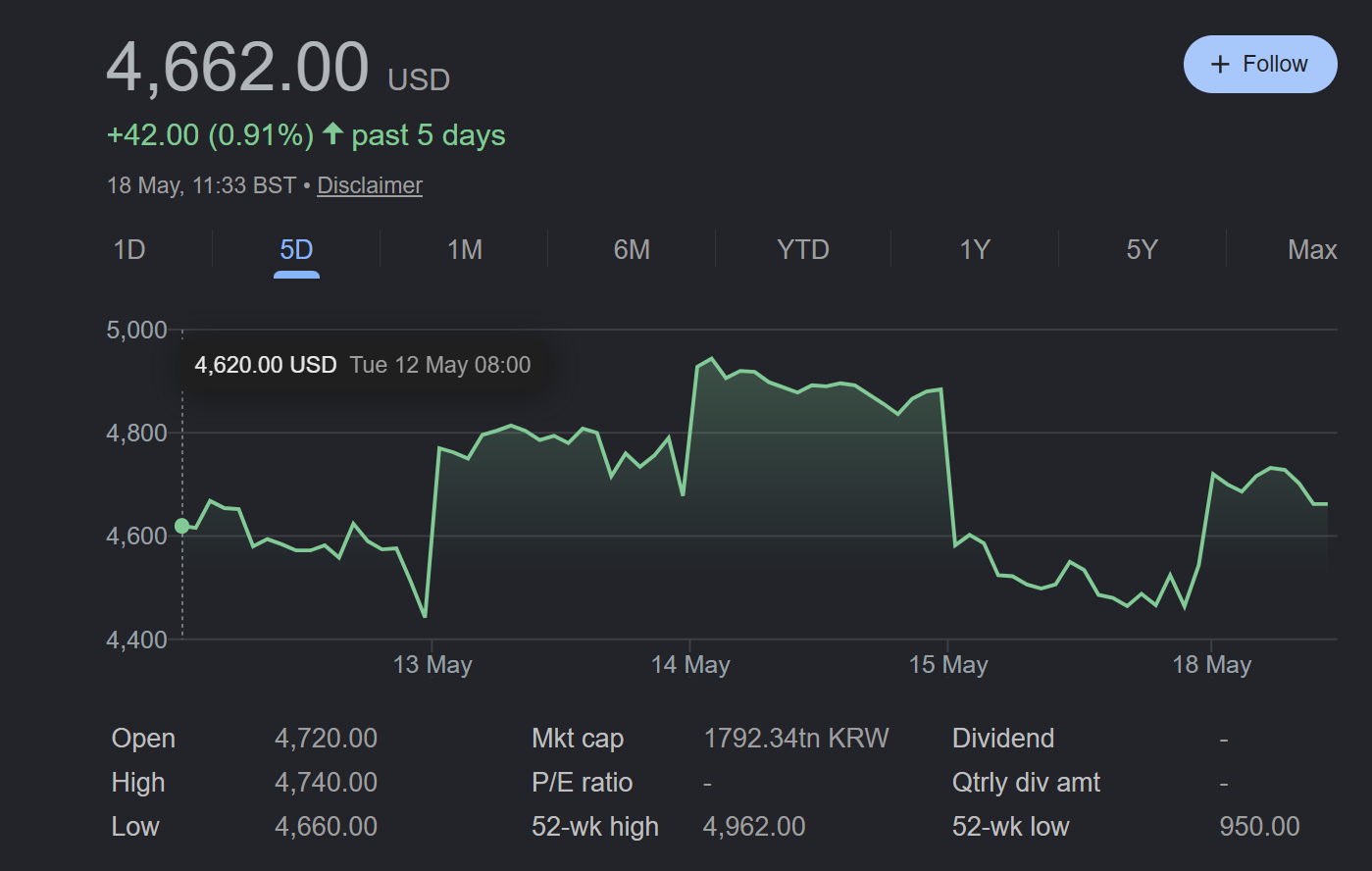
Samsung shares jumped after the injunction, suggesting investors believe the worst-case strike scenario is now less likely.

Permalink to story:

 
What was the court's justification for this? These aren't doctors or nurses, no one is going to die if these people strike. Not being able to disrupt production seems to severely limit the power of a strike.
 
Yeah, how exactly are they going to be allowed to walk out, but not if it impacts production? If the production begins to fall, do the police bring them back?
 
What was the court's justification for this? These aren't doctors or nurses, no one is going to die if these people strike. Not being able to disrupt production seems to severely limit the power of a strike.
You're 1000% right that Samsung's chips power absolutely no critical equipment for the energy, transportation, healthcare, financial, food, and other infrastructure sectors anywhere in the world. If workers walk out on the production lines for 40% of the world's memory, there will be not a single important repercussion at all. /s
 
You're 1000% right that Samsung's chips power absolutely no critical equipment for the energy, transportation, healthcare, financial, food, and other infrastructure sectors anywhere in the world. If workers walk out on the production lines for 40% of the world's memory, there will be not a single important repercussion at all. /s
You think lots of people are going to die the moment Samsung stops producing DRAM chips?

Could you imagine if that was the case? All hospitals stop working, all traffic lights turn off, all military equipment just stops working because Samsung stopped making RAM for a few days.

Sounds pretty far-fetched to me, care to explain why the world will end the moment Samsung stops producing RAM?
 
You think lots of people are going to die the moment Samsung stops producing DRAM chips?

Could you imagine if that was the case? All hospitals stop working, all traffic lights turn off, all military equipment just stops working because Samsung stopped making RAM for a few days.

Sounds pretty far-fetched to me, care to explain why the world will end the moment Samsung stops producing RAM?
Was that a joke? You statement is like claiming no one will die if the world's farmers stop growing food, because the grocery stores will still be stocked with food.
 
The court system making this ruling was probably because Samsung paid off a lot of important people in the govt to keep a strike from happening.

However people aren't going to die the second Samsung stops producing RAM, it's not like Samsung was providing sufficient RAM to critical infrastructure anyway,Samsung wasn't even providing their own mobile division with enough RAM. Other RAM producers could take advantage of a justified strike, or Chinese companies could undercut everyone else causing this artificial shortage.
 
The court system making this ruling was probably because Samsung paid off a lot of important people in the govt to keep a strike from happening.
An absurdly banal theory utterly at odds with the facts. The court didn't ban workers from striking by staying at home and not coming to work, what they barred were illegal acts organized by the union:

"...The ruling says any strike must not disrupt production, damage materials or finished products, or interfere with safety-related operations. Workers are also barred from blocking access to company sites or occupying facilities....."
 
You think lots of people are going to die the moment Samsung stops producing DRAM chips?

Could you imagine if that was the case? All hospitals stop working, all traffic lights turn off, all military equipment just stops working because Samsung stopped making RAM for a few days.

Sounds pretty far-fetched to me, care to explain why the world will end the moment Samsung stops producing RAM?
What a wild response. I never said “everything will stop working if Samsung stops supplying chips”. YOU said that.

I said absolutely nothing could go wrong if Samsung stops supplying chips and memory to companies that build life saving medical devices, sell ambulance vehicles to governments, and so on. If those companies can’t make their products because they were too dependent on Samsung, then that’s probably Samsung’s fault for trying to be too successful and not the Samsung union leadership who think $300,000 permanent bonus checks are too little. Bonuses that are multiple times my own salary just won’t cut it.

There’s no possible way anything can go wrong from shutting down Samsung’s production lines. If something did go wrong, then we should blame Samsung because it was definitely their fault somehow.
 
Was that a joke? You statement is like claiming no one will die if the world's farmers stop growing food, because the grocery stores will still be stocked with food.
I'm not saying it won't cause some kind of harm somewhere, but lots of people suddenly dying, public infrastructure ceasing to work, military's unable to shoot, because Samsung stopped making RAM for a week or two is a properly crazy thought process.

Would it slowdown the IT industry? Maybe.
Would RAM prices go up even more? Probably.

Would the world end suddenly and violently? I highly doubt that.

The biggest impact would require Samsung to stop producing RAM completely, not just for a few weeks but just entirely exit the market, then the whole IT industry will be forced to slow right down, new datacenters, servers, laptops, phones, networking equipment, pretty much any device with modern RAM in it will suddenly become either extremely expensive, or not made entirely because there's no way to make any money out of it.

Oh, and for your "farmers stop growing food" analogy, When you consume food, it is gone, your body comsumes it.

When you buy RAM, it keeps working for many years, it's not consumed, forcing you to buy more RAM. All RAM that currently exists continues to work just like it did the day it was manufactured.

If you think RAM is consumed like food, you probably have the highest food bill in the world right now.
 
Would it slowdown the IT industry? Maybe.
Would RAM prices go up even more? Probably.
You're vastly underestimating the effects. Even the *hint* a strike might occur caused DRAM spot prices to surge 11% the day the news broke. An actual production halt would double already sky-high prices overnight.

Oh, and for your "farmers stop growing food" analogy, When you consume food, it is gone, your body comsumes it.

When you buy RAM, it keeps working for many years, it's not consumed, forcing you to buy more RAM.
True. But you're forgetting that, even before the AI spending spree, all these memory factories were already running at capacity, selling RAM. Why? Because the medical industry, the transportation industry, and every else is continually buying new computer-controlled equipment, and replacing chips that fail in existing ones.

You're also forgetting Samsung produces countless chips that are not DRAM. The average automobile today may contain as many as 3,000 chips ... many of them made by Samsung. A several-week Samsung strike would idle dozens of auto factories.
 
that’s probably Samsung’s fault for trying to be too successful and not the Samsung union leadership who think $300,000 permanent bonus checks are too little. Bonuses that are multiple times my own salary just won’t cut it.
So you don't like the fact the employee's did the math, looked at the competition and realised they actually should be getting significantly more?

What is with people massively undervaluing themselves these days, no wonder CEO pay got wildly out-of-hand.
 
So you don't like the fact the employee's [sic] did the math, looked at the competition and realised they actually should be getting significantly more?
No, the employees decided they deserve a share of the profits, despite never offering to share a percentage of the losses, when their operating units lose money.

What is with people massively undervaluing themselves these days, no wonder CEO pay got wildly out-of-hand.
Samsung's CEO received $4.9M last year. If he instead worked for free, the extra pay per Samsung employee would have been an extra $1.50 a month.
 
You're vastly underestimating the effects. Even the *hint* a strike might occur caused DRAM spot prices to surge 11% the day the news broke. An actual production halt would double already sky-high prices overnight.


True. But you're forgetting that, even before the AI spending spree, all these memory factories were already running at capacity, selling RAM. Why? Because the medical industry, the transportation industry, and every else is continually buying new computer-controlled equipment, and replacing chips that fail in existing ones.

You're also forgetting Samsung produces countless chips that are not DRAM. The average automobile today may contain as many as 3,000 chips ... many of them made by Samsung. A several-week Samsung strike would idle dozens of auto factories.
It's strange isn't it? It's almost like having a cartel of chip manufacturers is a bad thing, specifically RAM, in the early 2000's and from memory, early 2010's, when fines were being handed out for price-fixing, absolutely nothing was actually done to promote the creation of new companies to compete, no strategy to mitigate the effects, instead, we're all just here, praying they don't increase prices further.
No, the employees decided they deserve a share of the profits, despite never offering to share a percentage of the losses, when their operating units lose money.
It's kinda suprising SK Hynix didn't collude with Samsung to keep these bonus payments low.
Samsung's CEO received $4.9M last year. If he instead worked for free, the extra pay per Samsung employee would have been an extra $1.50 a month.
I wasn't singling out Samsung here, the average worker pay has stagnated, increasing around 20% over 50 years, while CEO average pay has increased over 1000% in the same time period, if there's an opportunity for the normal worker to get a decent chunk of the pie for once, I'm all for it, they can afford it at the moment.

I'm not saying CEO's should work for free, I'm just saying if I ever got the opportunity for a seriously decent bonus, I'd also want to take it. There's also plenty of economic arguments why paying average workers more would boost the local economy multiples times more than just paying a rich person slightly more.
 
So you don't like the fact the employee's did the math, looked at the competition and realised they actually should be getting significantly more?

What is with people massively undervaluing themselves these days, no wonder CEO pay got wildly out-of-hand.
Again, you're putting words into my mouth. I said it's Samsung's fault for being too successful, and that includes the leadership. Nothing I said positioned me against the employees.

To be honest $300,000 bonuses are simply an insult to Samsung employees' self-worth. I really don't think permanent $450,000 bonuses for employees goes far enough either. We all know Samsung has NEVER dealt with profitability issues so the employees should probably be getting more like $1 million dollar annual bonuses endlessly. I support a vast expansion of employee benefits because there's no way that could go wrong.

I would go further than that: the entire company should just be returned to the employees just doing day to day work since we know they're the most loyal to Samsung since it started 88 years ago. Any assembly line worker would be better off being put at the top. But the chairman who's worked Samsung for 35 years should also be sent to prison since we know inheriting the family company is just theft from society. Furthermore, his father who put him there should have his name erased from history. It's disgusting and South Korea should be ashamed that Lee Kun-hee is remembered for growing Samsung into one of the biggest companies in the world.
 
Last edited:
It's strange isn't it? It's almost like having a cartel of chip manufacturers is a bad thing
Now this is just nonsense. RAM prices haven't skyrocketed because some evil cartel is restricting production, but because demand exploded in a way no one could predict -- least of all the anti-AI crowd which has spent the last two years predicting the "imminent collapse" of the bubble.

... absolutely nothing was actually done to promote the creation of new companies to compete
Memory is a very cyclic business. Since 2000, there have been several periods where RAM firms were losing billions due to overcapacity and overexpansion. That doesn't tend to tempt new firms in-- however the AI industry has changed those calculations, and at least 1 or 2 companies already have firm plans.

the average worker pay has stagnated, increasing around 20% over 50 years
Err, no. "Stagnant" would mean real (inflation-adjusted) worker pay didn't rise at all, rather than increasing 20%.. You're also forgetting those calculations ignore the vast standard-of-living increases over that period. The average worker of 50 years ago lived in a home half the size, had 1 car, probably didn't have air conditioning, couldn't afford air travel , and even long-distance calls were a luxury only lightly engaged in.

There's also plenty of economic arguments why paying average workers more would boost the local economy multiples times more than just paying a rich person slightly more.
Not any sensible arguments. We have a model that's been highly successful: workers sell their labor, and get paid no matter how much money a firm makes or loses. Investors, OTOH, risk their capital -- sometimes losing every penny -- but in exchange, they get a share of the profits of the firms in which they invest.
 
These workers are greedy and entitled. That’s a huge bonus and it’s not enough? They can all go find a new job then. Otherwise AI boom prices are the new norm and we all suffer.
 
You're 1000% right that Samsung's chips power absolutely no critical equipment for the energy, transportation, healthcare, financial, food, and other infrastructure sectors anywhere in the world. If workers walk out on the production lines for 40% of the world's memory, there will be not a single important repercussion at all. /s
Those things aren't going to stop working if Samsung workers strike. If your argument is that stopping production of important products might cause some disruption, then, yes, that's the point of a strike. It demonstrates how important the work these people do is.
 
Back