Samsung, Micron, and SK Hynix are accused of conspiring to inflate RAM prices, lawsuit moves forward

Daniel Sims

Posts: 2,648   +80
Staff
Ripple effect: Conventional wisdom holds that the rush to build data centers to meet AI demand has more than quintupled DRAM prices since 2025, consequently raising consumer electronics prices. However, a recent lawsuit alleges that the top DRAM manufacturers actually coordinated to fatten their profits, something they've been convicted of before.
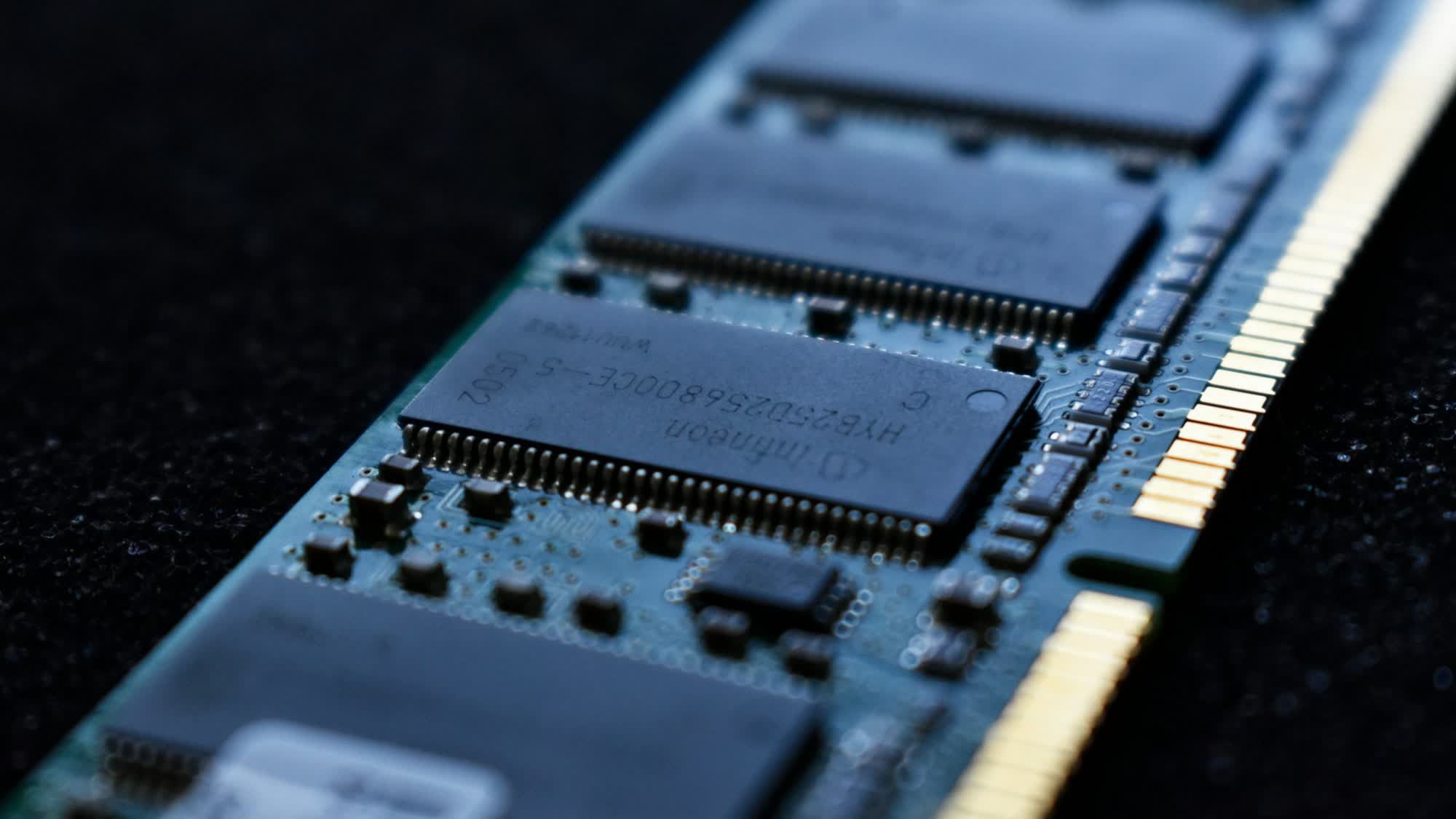
A California judge has denied Samsung's motion to dismiss a lawsuit accusing it, Micron, and SK Hynix of colluding to inflate DRAM prices. Spiking DRAM prices and, by extension, RAM prices are the main cause of recent price hikes for PCs, consoles, and other devices.

In Garciaguirre et al. v. Samsung Electronics Co., Ltd. et al., initially filed in June, the plaintiffs accused the trio of neglecting to increase production as AI data center projects siphoned capacity. They argued that in a truly competitive market, at least one player would have increased output to capitalize on rising demand and sell more wafers, prompting the others to react.
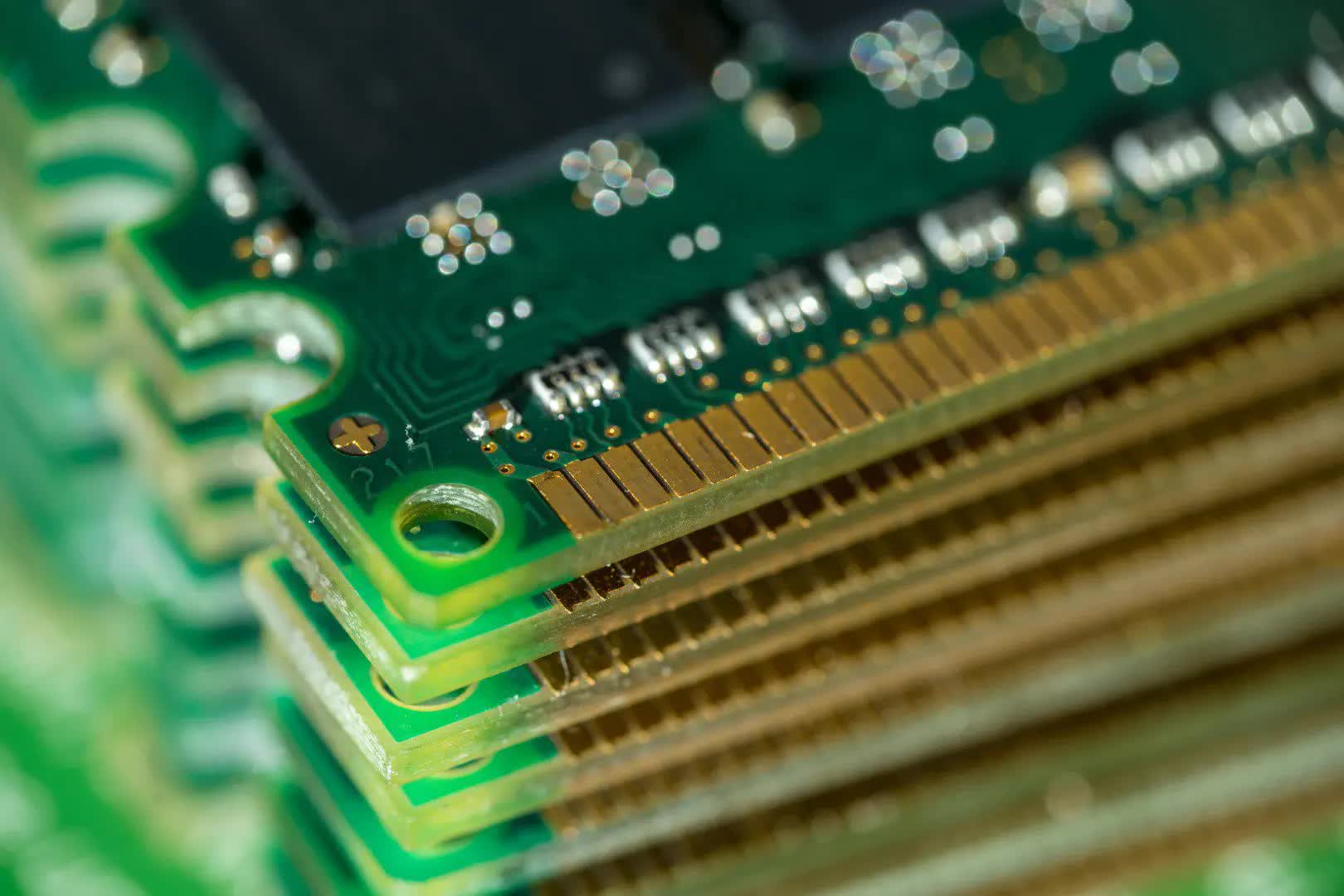
Instead, the plaintiffs accuse DRAM manufacturers of deliberately diverting supply from consumer products to HBM server memory and eliminating supply channels to inflate prices. As one piece of evidence, a client reported that all three companies adopted near-identical questionnaires almost simultaneously, asking customers how they planned to use the DRAM they were ordering.

Such behavior suggests collusion, which the lawsuit claims violates Section 1 of the Sherman Act. The section forbids two or more people or business entities from cooperating to restrict trade in a way that harms competition.

This is the third time in roughly the past three decades that Samsung, Micron, and SK Hynix have been accused of price-fixing. This week's decision directly references a case in which all three, along with the now-defunct DRAM divisions of Infineon and Elpida, pleaded guilty to cartel-like behavior between 1998 and 2002. However, the three still-operating manufacturers defeated a similar case in 2018.
It remains unclear how long the latest case will drag on or whether it will affect RAM prices anytime soon. Most experts expect demand to outpace supply through much of 2027, if not longer.

Although memory prices are widely blamed for the absurd current state of the GPU market, a recent report also suggests that Nvidia artificially raised demand for data center GPUs (many of which currently sit inert in warehouses) to keep prices high. The GPU maker at the heart of the AI boom has long been accused of financing its own clients, but after cofounder Jensen Huang's ouster as CEO, past statements emerged suggesting that this was a tactic to inflate prices in response to a chip oversupply.

Permalink to story:

 
I don't think this lawsuit will go anywhere beyond perhaps an out of court settlement. If there was a slam dunk case against the DRAM trio for price fixing/collusion, then the biggest victims of such alleged price fixing, large hyperscalers and large hardware makers would be making complaints about it and pushing on the DOJ to do an investigation. Instead, the plaintiffs in this lawsuit are all random people and very small businesses.

If you look at the successful anti-trust action from 2002 against the DRAM makers, large PC makers like Dell were making public complaints (and likely private ones to the DOJ) before the DOJ started its investigation.
 
Well said Dread. I was happy to just say the lawsuit is stupid. It's duh, of course manufacturing has been diverted to HBM. That's where the money is.

Whoever put the lawsuit together has completely missed the real problem, and that's AI.
 
Next step is trying to hold these corporations accountable - good luck 🤞

Government regulators and fines hardly act as a deterrence these days.

I'm dreaming when I say I am truly waiting for new legislation where powers are given to seize, acquire and utilize corporate assets and holdings; and ☝️ the assets of board members, high ranking employees, majority shareholders that are found to be involved in activities of anti-competitive behaviours that include monopolization, collusion, price fixing, etc.

Those resources should then be actioned to benefit average consumers - it's where it all begins and ends!
 
Well said Dread. I was happy to just say the lawsuit is stupid. It's duh, of course manufacturing has been diverted to HBM. That's where the money is.

Whoever put the lawsuit together has completely missed the real problem, and that's AI.
Exactly, the amount companies like Microsoft, Amazon, and Google have been tossing into datacenters is just bonkers, those companies basically doubling or more their spending from a few years prior. Of course, logically if those companies (which have large legal teams and plenty of political connections) thought they could save billions of dollars by legally pressuring the DRAM trio, they would at least attempt that. Same with Apple, who is well known for their hardball price negation tactics with their suppliers; it would be silly to think they wouldn't try the legal system to lower their purchase prices if they thought it had a chance. The fact that they aren't means their legal teams don't think a collusion lawsuit will likely succeed.
 
Wow so much cynicism here.

Both things can be true:
a.) huge rise in demand due to AI buildout
b.) artificial production limits to inflate the price.

These companies keep saying "they can't keep up with demand", but we don't know how true that is. Expanding production capacity is not necessarily advantageous to them because they don't know how long demand will last. Their goal is to make profit, not to make sure everyone has access to cheap memory. If they can make more profit by squeezing supply, and charging more, they will definitely do that. But colluding in that way is illegal.
 
I expect nothing to come from this. The right palms have already been greased from top to bottom. Even if something does come from this it will be performative or meaningless fines that will change nothing.

People making excuses for this kind of behaviour are either in complete denial, are a bot or have some sort of vested interest in this kind of garbage continuing.

"Supply and demand" BS won't fly here or the "cost of doing business"

At this point in time I do not care if CXMT stole trade secrets from one or any of the big 3. The more competition and manufacturing in this space the better especially if they are not part of this clique and can shake up the market.
 
The numbers being tossed around are so absurdly large they start to lose any meaning in our meat computer monkey brains.

NV manufactured demand and artificially inflated market prices. While the spot price for RAM has been high over the last year, I see it as a "make hay while the sun is shining" situation. There is a massive amount of reluctance in the entire supply chain to support datacenters. Everything from mining materials for iron and copper, specialized equipment like turbines for powerplants, power transformers. I know first hand there isn't enough concrete for all the datacenters. There aren't enough cement factories to make the Portland used concrete. This is a decades long problem to solve to help build the datacenters for GPUs already sitting in warehouses.

So I'm going to boil this down as simply as I can. People are buying GPUs because they think the cost of GPUs is less than the money they will create over their lifetime. If you can't use them then they aren't making money. The world needs several industrial revolutions to support AI as it currently is. The issue with that is of you take a look at the bond market, the world is broke.

I'm sure over the comping months we will see all kinds of stuff come out from backroom deals. This is 2008 all over again. Banks ran out of money of money and they had sell junk bonds(surprise loans packages as good credit ratings). That's what the AI market is, it's the next subprime loan market. It's why they had to turn to private equity, the SEC banned that kind of lending after the 2008 crash but PE are not beholden to the same standards banks are.

Whether the memory makes colluded is not is kind of irrelevant because all 3 of them made deals with nVidia who made lots of "handshake deals" Jensen was very careful and intentional to not put this stuff in writing.

We're seeing the higher-ups and insiders at these companies cashing out.
 
Back