WTF?! According to a report from Korean sources, Samsung's own subsidiaries have been clashing over the pricing of new memory chip supplies. RAM has become so expensive that even internal divisions are reportedly being denied additional inventory unless they agree to pay significantly higher prices.
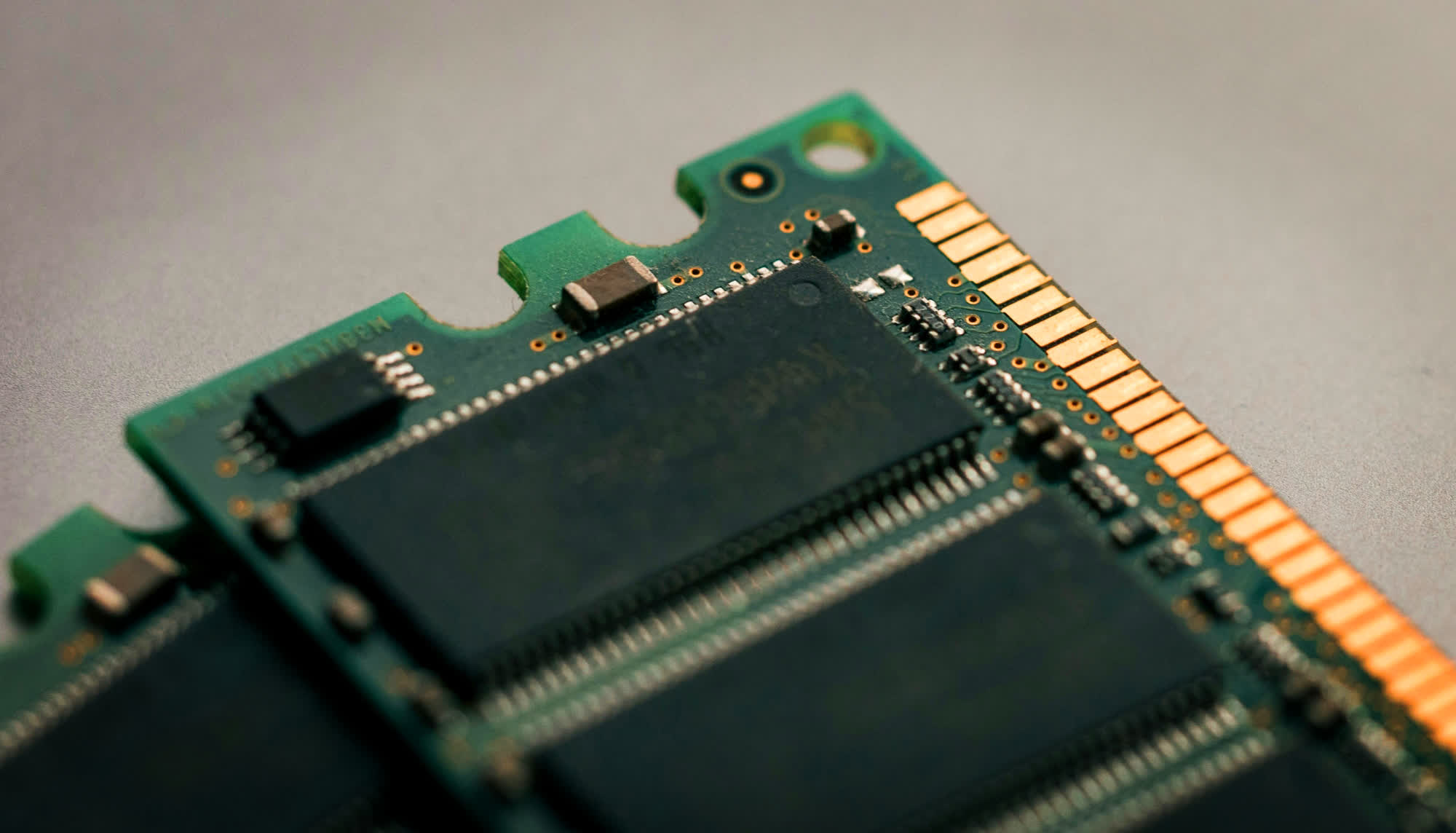
Samsung Electronics, one of the world's largest technology companies, was recently denied a new shipment of RAM by Samsung Semiconductor Global, according to industry sources. The two Samsung subsidiaries were reportedly pushed into negotiating a new supply plan at a higher price, a consequence of the ongoing AI-driven spending boom that has made many technology components increasingly unaffordable for typical consumers.
Samsung Electronics produces smartphones, tablets, computers, and a wide range of consumer devices. With new product lines planned for 2026, the company needs a steady supply of memory chips to maintain its production schedule. Its first stop was Samsung Semiconductor Global, an arrangement that would normally be straightforward given both operate under the same corporate umbrella.
However, sources claim that internal cooperation is no longer as simple. Samsung Electronics requested a full year's worth of RAM supplies, but Samsung Semiconductor Global rejected the request, instead pushing for a quarterly allocation. Ultimately, the two divisions reportedly settled on a short-term agreement at elevated prices.
A Samsung subsidiary refusing to discount chip supplies for another division within the same corporate structure would be highly unusual, so these rumors are best taken with a grain of salt. Samsung has since issued an official statement denying that any such internal dispute occurred.
"Recent reports that Samsung's DS division has rejected certain customer requests are baseless and not true. We are in close communication with global customers to address industry needs," Samsung's spokesperson said.
Samsung is the world's largest manufacturer of semiconductor memory and one of the few companies with full-scale chip production capabilities. Like the rest of the industry, the South Korean tech giant is facing unprecedented demand from Big Tech and AI firms racing to build out massive new data center infrastructure.
Some memory manufacturers have already chosen to abandon the consumer market altogether, shifting exclusively toward higher-margin products like HBM and other advanced memory types. Meanwhile, Samsung and several competing firms have opted to raise prices on DRAM and NAND flash. As a result, some DDR5 kits now cost more than a PlayStation 5, and the situation is expected to worsen over the next few years.
Samsung vs. Samsung: Confusion swirls over alleged RAM supply dispute


