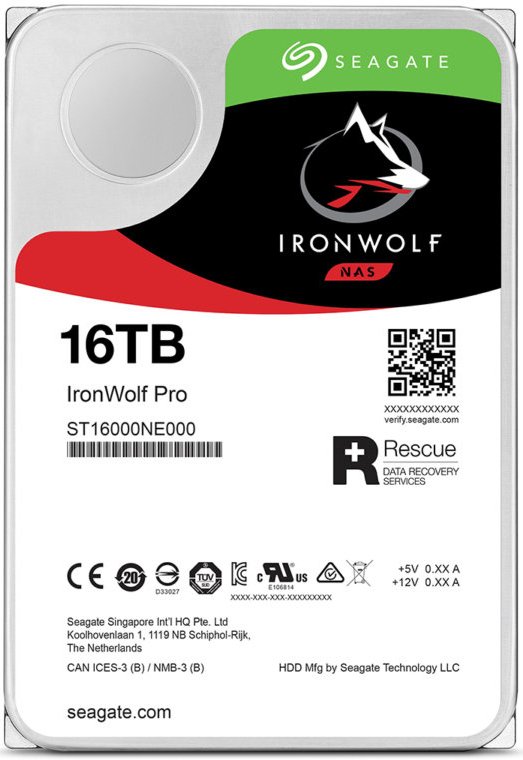
I Smell Teras: While reporting its financial results for the fourth quarter of fiscal year 2026, Seagate also shared some interesting technology updates. The HDD manufacturer is continuing to develop its HAMR-based storage products, with 50TB drives expected to become available for customer validation soon. Just a reminder: "customers" in this context means Big Tech and AI companies – certainly not the rest of us.
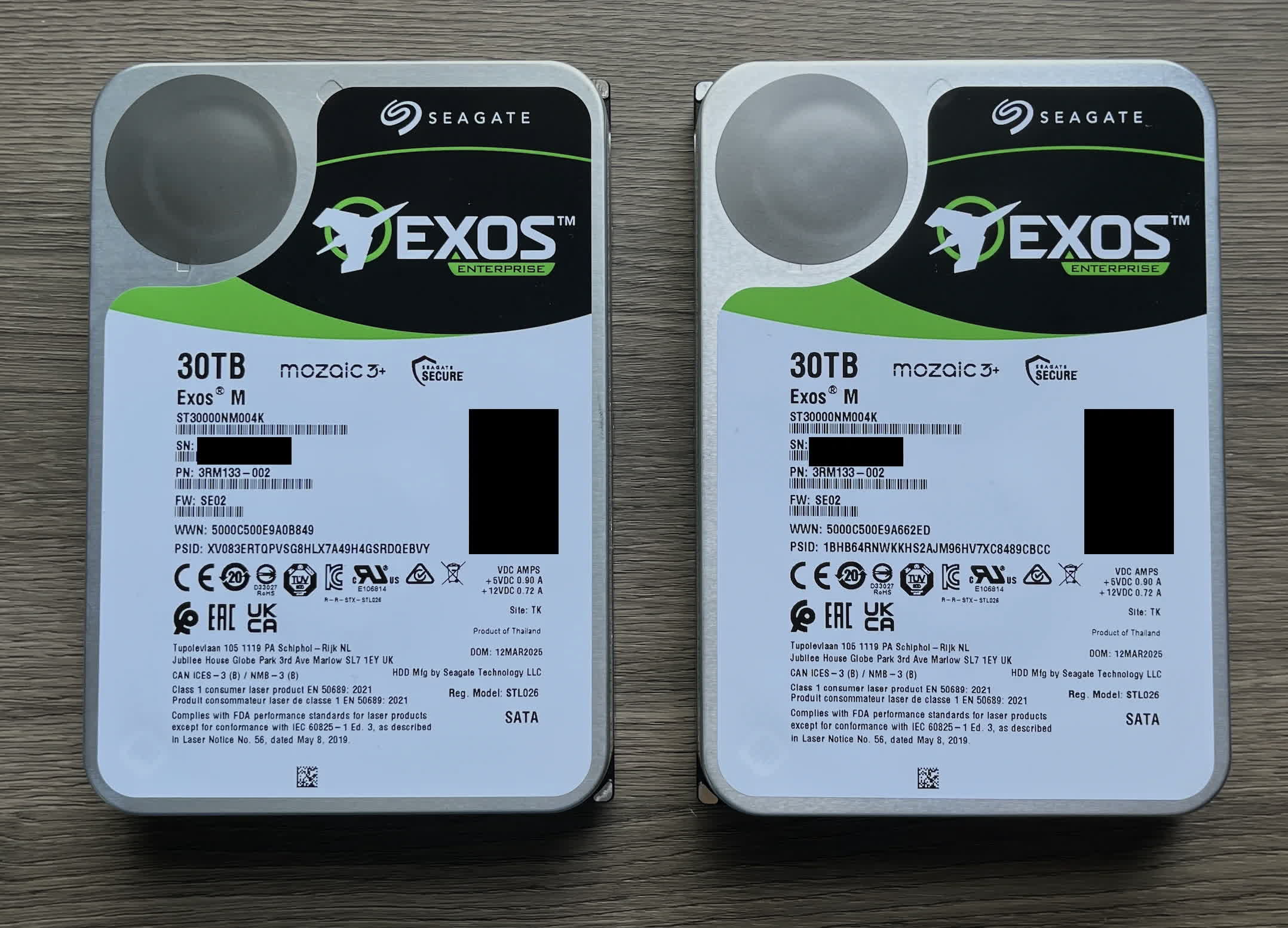
According to Seagate CFO Gianluca Romano, the US company is on track to achieve a storage density of more than 5TB per platter. In layman's terms, Seagate should soon be able to sell individual HDDs containing ten 5TB+ platters, resulting in more than 50TB of storage capacity on a single drive. In fact, this unprecedented level of storage density is already scheduled to reach the market in late 2027.
Romano and other top Seagate executives shared these details during the company's latest earnings call with shareholders. The Mozaic 4+ platform, Seagate's latest iteration of its namesake heat-assisted magnetic recording (HAMR) technology, currently supports hard drives with capacities of up to 44TB. By the end of 2026, Mozaic 4+ models are expected to account for 50% of Seagate's HAMR exabytes shipped to select customers.
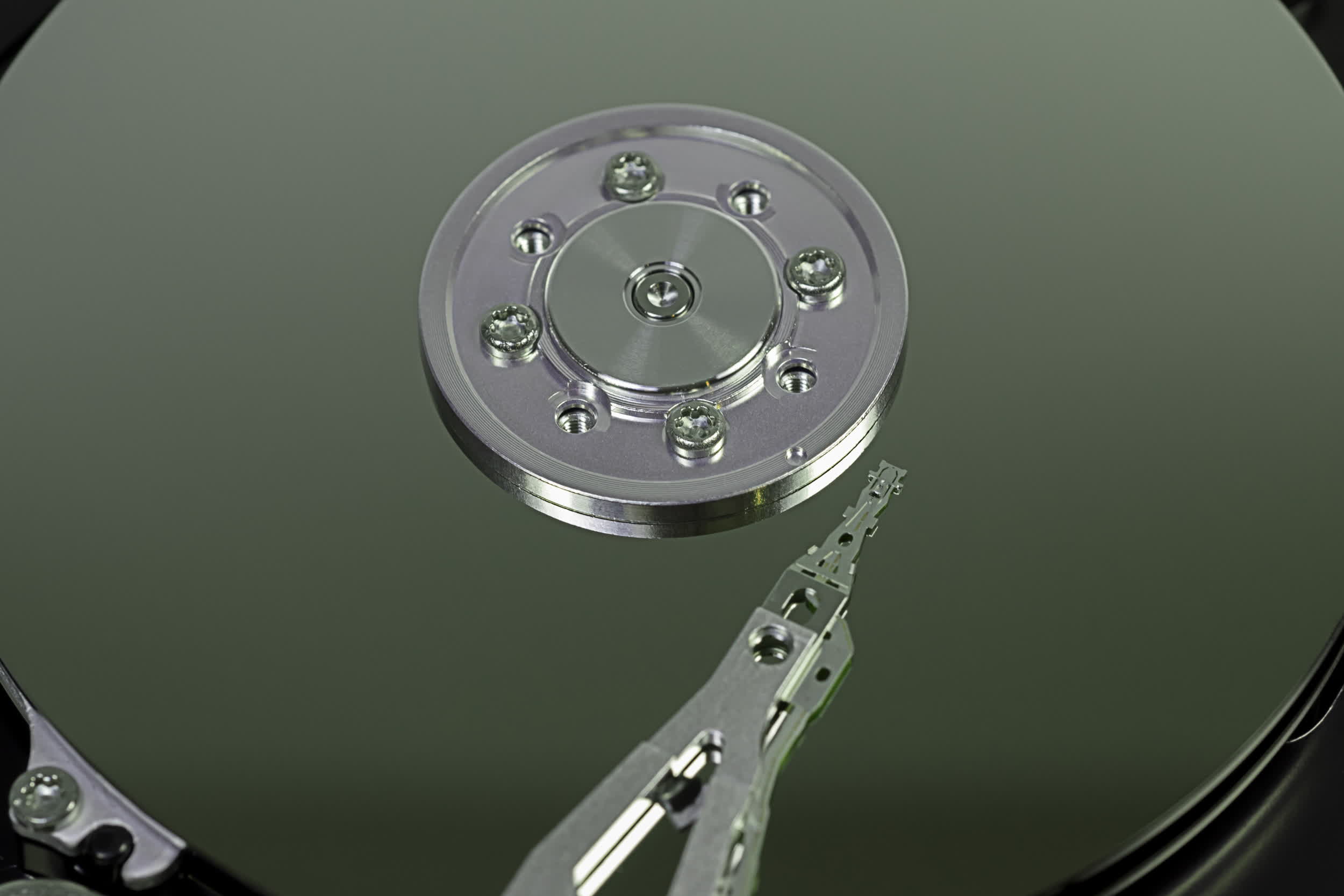
Romano further revealed that future HDDs featuring 5TB+ per platter will be based on Mozaic 5+, the third generation of Seagate's Mozaic technology to reach the market. The first Mozaic 5+ drives are expected to ship to customers for qualification later in 2027.
After passing Seagate's internal testing and validation procedures, the new drives will be delivered to OEM and data center customers for final approval. Following that process, 50TB drives should eventually become ready for broader adoption.
Seagate reiterated that sustained growth in areal density remains a key pillar of the company's strategy going forward. Drives capable of fitting more terabytes onto each platter can help keep HDD costs "relatively flat" while allowing Seagate to scale its exabyte production capacity without requiring unsustainable levels of capital expenditure to improve its manufacturing facilities.
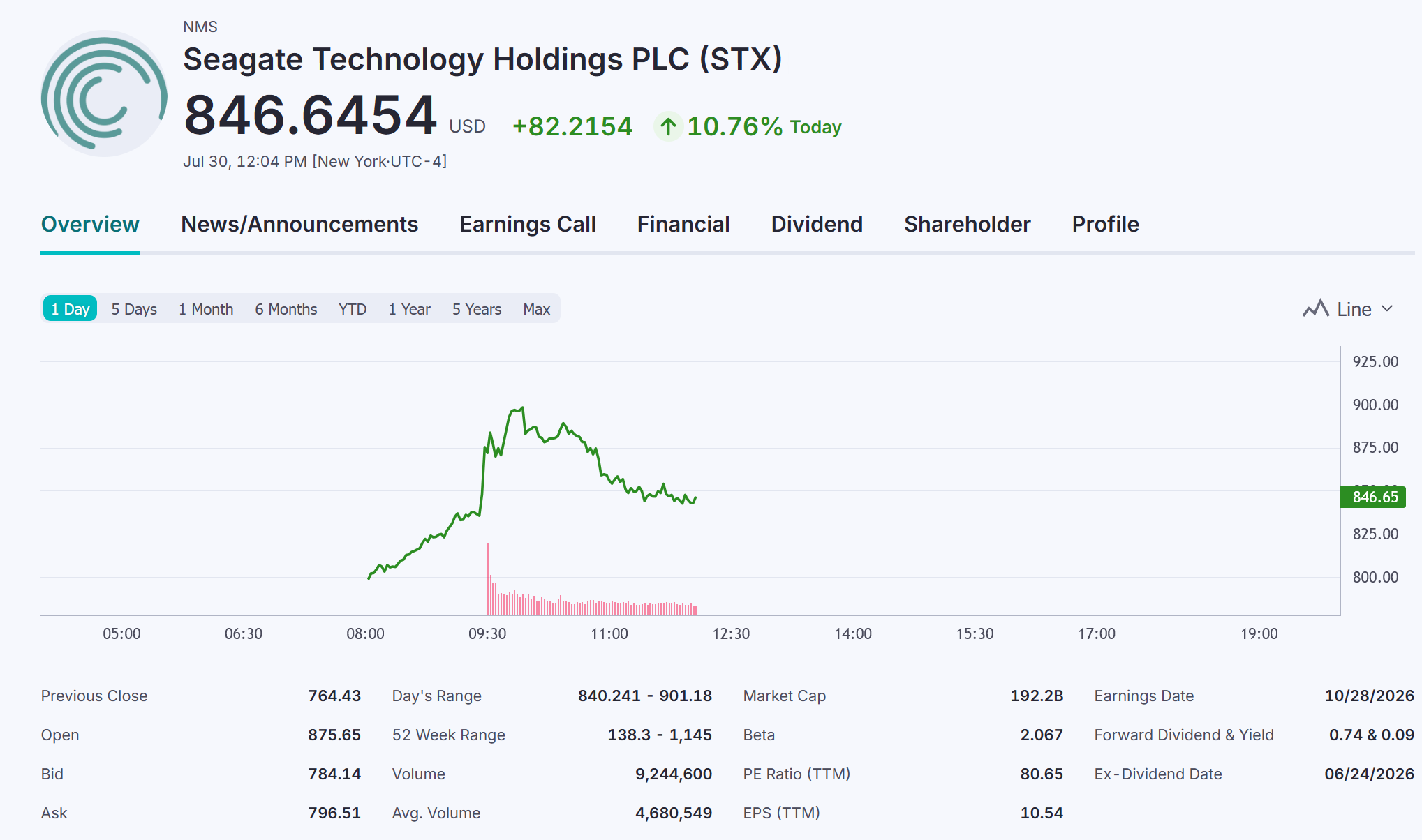
Thanks to demand from AI hyperscalers and cloud service providers, Seagate's results for the fourth quarter of fiscal year 2026 were decidedly positive. The company closed the June quarter with $3.6 billion in revenue, up 17% sequentially and 48% year over year. Demand for "cold" storage devices such as HDDs is so strong, Seagate CEO Dave Mosley said, that the majority of nearline exabyte output is already allocated well into 2028.
Seagate now generates most of its revenue from AI data centers and cloud giants, although hyperscalers are using HDDs to manage the "long tail" of their AI workloads. Cold storage has become essential for providing AI models and agentic AI systems with "context," Mosley said. The need to give AI agents a persistent data foundation across user interactions is driving storage procurement – and Seagate's revenue – to unprecedented levels.