
Winners & losers: Nvidia's RTX 50-series graphics cards are finally selling at or below MSRP (except for the RTX 5090), a welcome change after years of inflated GPU prices. But gamers and PC builders face a tough decision: buy now or wait. Leaks suggest that Nvidia is preparing a "50 Super" refresh with higher VRAM and modest performance upgrades, though its release may be months later than expected.

According to Benchlife, Nvidia is expected to release new variants of the RTX 5070, 5070 Ti, and 5080 – each with additional VRAM – between March and May of next year. Although the company has not confirmed these plans, the timing suggested by the leak aligns with Nvidia's previous release patterns, indicating a possible delay.
Team Green launched the RTX 40 series in the second quarter of 2023 to a mixed reception, later introducing the RTX 40 Super lineup at CES the following January.
The debut of the 50 series this past January immediately sparked speculation that 50 Super cards would arrive within a year, addressing widespread criticism of the standard models' limited VRAM. These improvements are expected to come through newly developed 3GB memory modules.
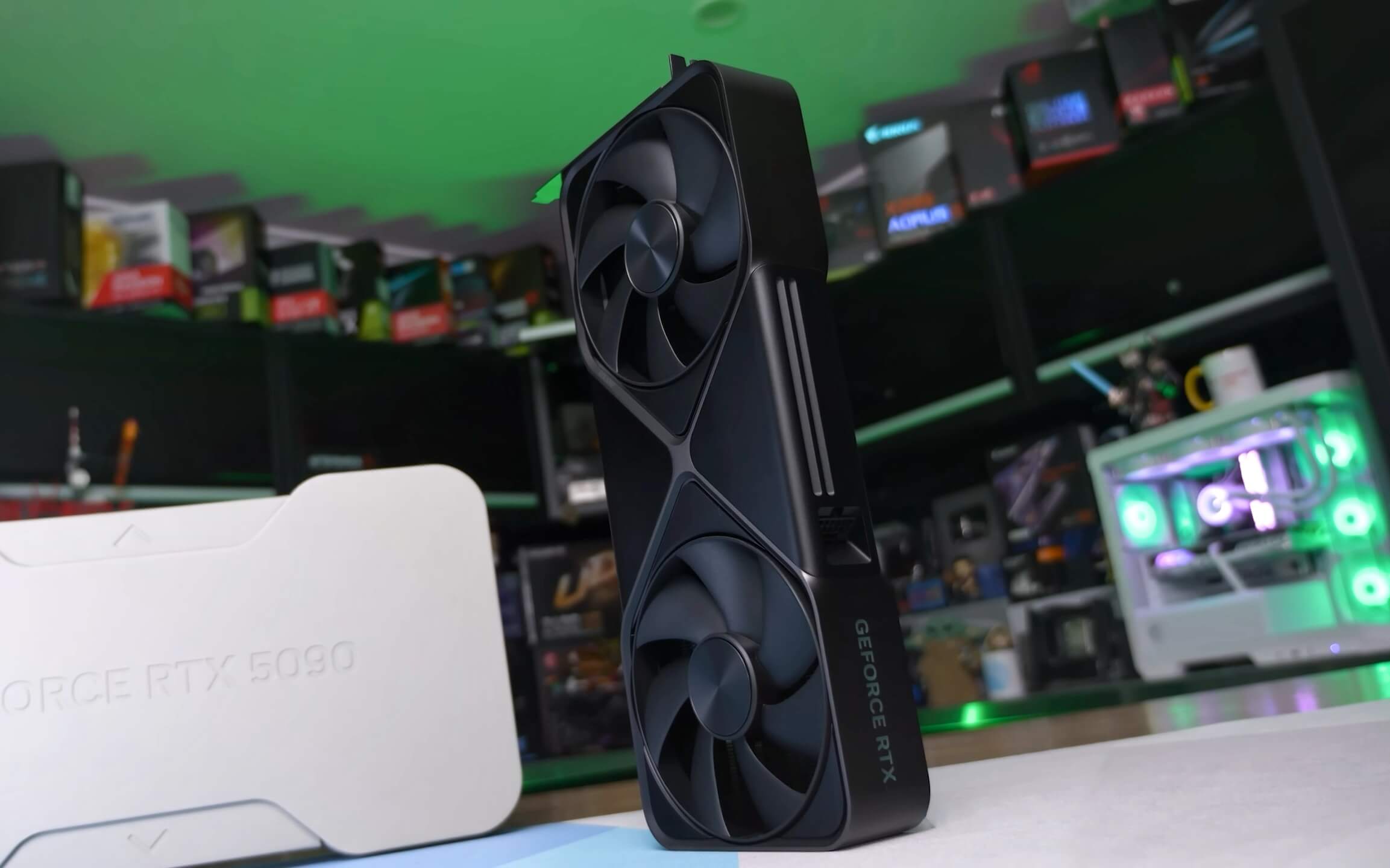
Over the past year, Samsung, Micron, and SK hynix have all announced 3GB modules, and along with leaked specifications for upcoming RTX 50 GPUs, this has fueled expectations for a 50 Super release.
However, reports now suggest the new cards could launch as late as a year and a half after their predecessors. Nvidia might still confirm the series at CES 2026, but the actual release could slip to Computex in June.
For those considering a purchase now, it's worth noting that recent price drops have made current 50-series cards more affordable. Still, the most notable improvements in the 50 Super series are expected to come from increased VRAM rather than dramatic performance gains.
The RTX 5070 Super, for example, will reportedly increase from 12GB to 18GB of memory, while other models will jump from 16GB to 24GB. Only the 5070 Super is rumored to gain additional CUDA cores – a modest bump of 256 cores.
Clock speeds for the upcoming cards remain unknown, and slightly higher TDP values suggest there may be other minor improvements. However, buyers should not expect the same level of performance boost that the RTX 40 Super lineup delivered compared to the original 40 series.
The only other current-generation GPU on the horizon is Intel's rumored Arc B770. Expected to compete in the mainstream market against Nvidia's RTX 5060 and AMD's Radeon RX 9060, the Arc B770 is rumored to feature 16GB of VRAM. Beyond that, few details are available, including its potential release date.
Should you wait for Nvidia RTX 50 Super? Here's what the leaks say


