
In a nutshell: Space-based solar power could reduce Europe's renewable energy needs by as much as 80 percent, lower battery use by two-thirds, and cut the overall cost of power for the region by 15 percent – all by the year 2050.
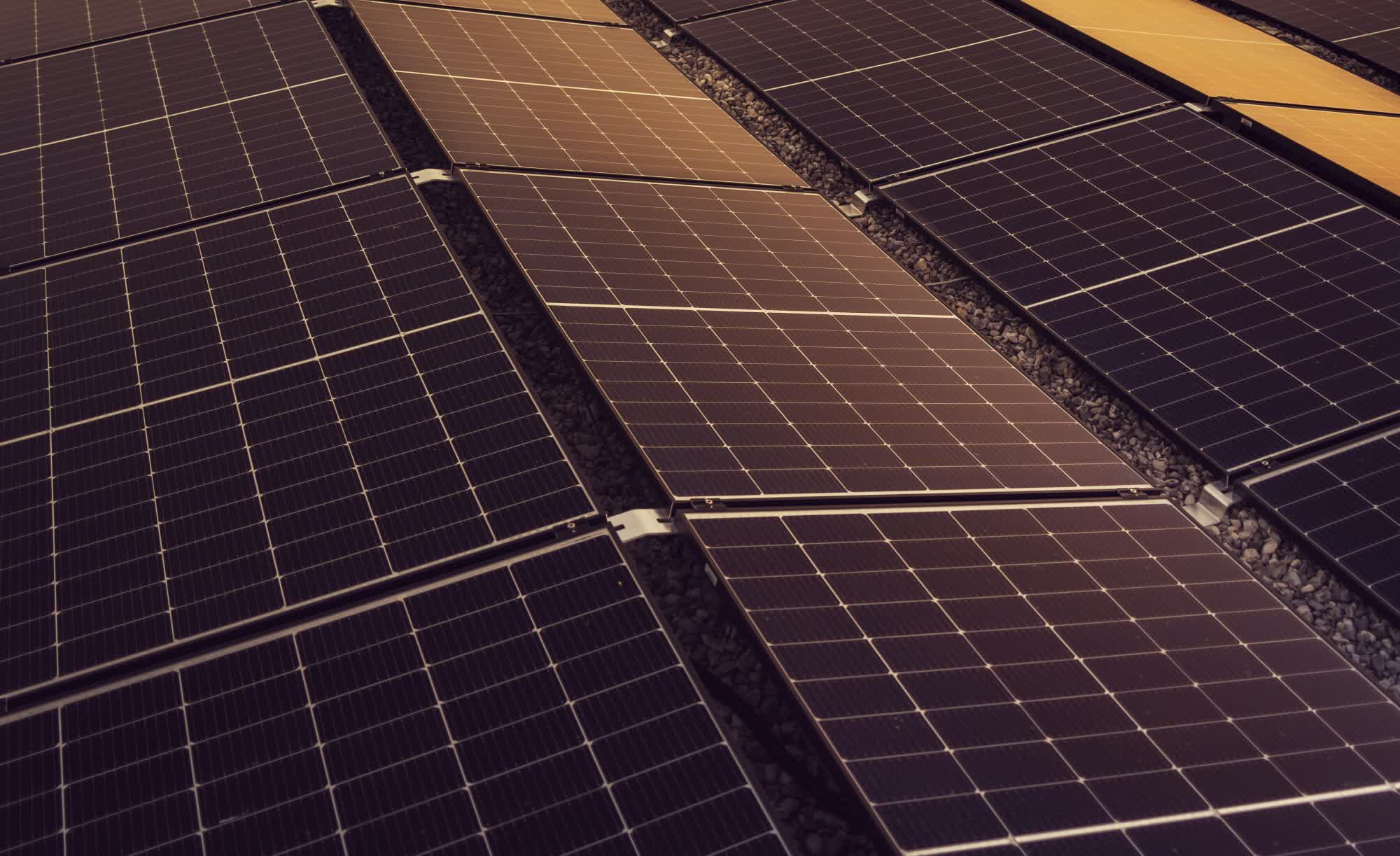
Researchers from King's College London came to that conclusion after running a detailed simulation of Europe's future power grid. The model, which simulated projected energy demand, generation, and storage across 33 countries, utilized specially designed solar panels from NASA that rely on mirror-like reflectors to redirect sunlight from space to designated collector stations on Earth.
It may sound like science fiction at this point, but there's plenty of time – 25 years, to be exact – to turn the dream into reality. And if NASA can actually deliver hardware that lives up to its predicted energy capacity, it could be a big step forward for renewable energy.
Conventional land-based renewable energy is largely inconsistent, often depending on factors such as the weather and the time of day. Ground-based solar panels also take a hit from the atmosphere. A space-based solar supply, on the other hand, would (at least, theoretically) be constant and predictable.
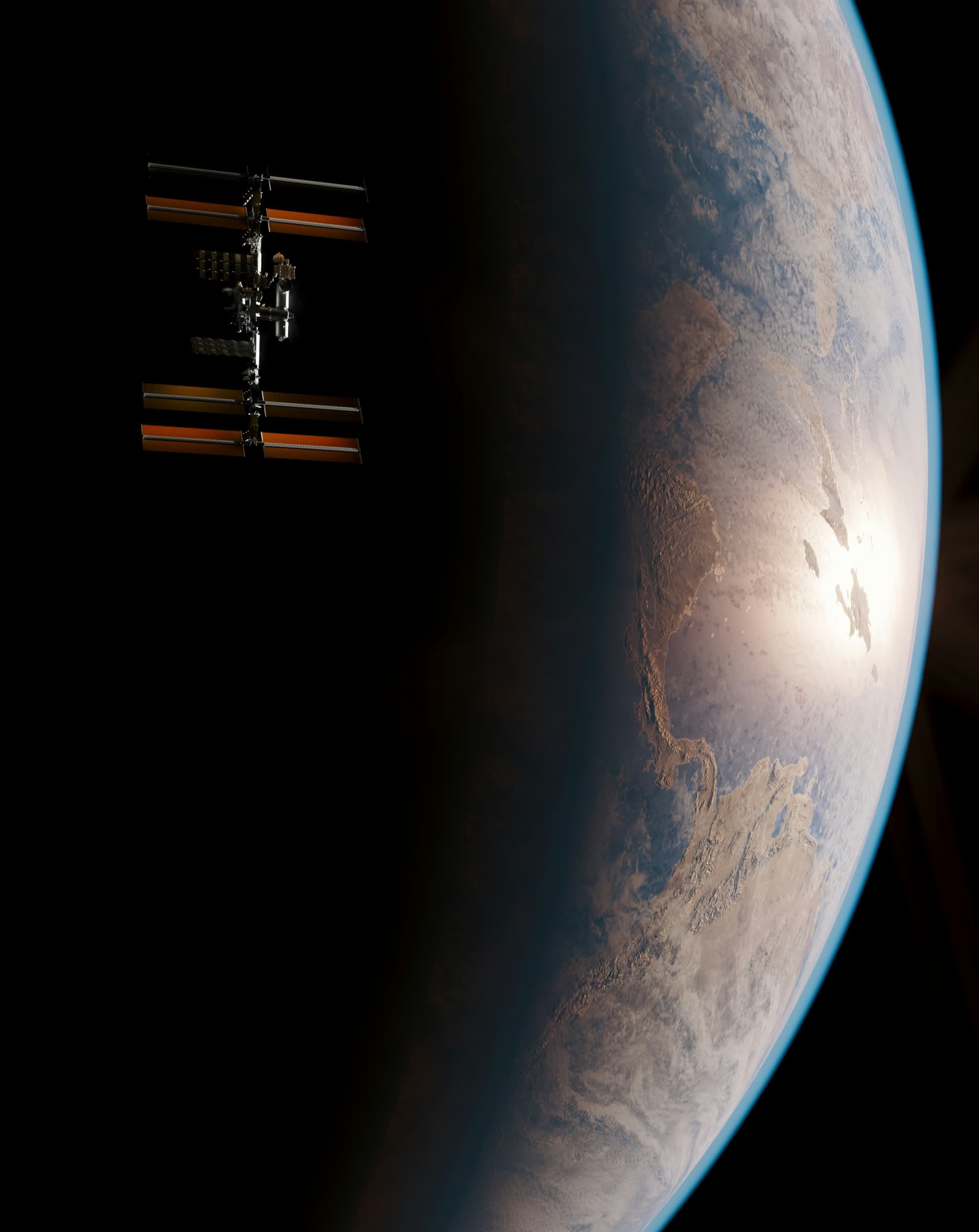
Of course, there are plenty of hurdles to overcome – and not all of them were considered in the study. In addition to cost, operators will need to consider metrics like efficiency, orbital congestion, and other factors that could interrupt transmissions. The orbit around Earth is quickly becoming cluttered – do we really want to put even more satellites into space, and would they be able to dodge all of the other space junk already out there?
Europe is not the only region turning to space for future energy needs. Earlier this year, Japan announced that it was developing a similar space-based solar power program. Their proposed system would use microwaves to send power collected from space to Earth. An early test from an airplane to a ground-based collection center proved successful.
Image credit: Michael Pointer, Planet Volumes
Space-based solar panels could supply 80% of Europe's renewable energy by 2050


