Why it matters: As the industry's leading foundry, TSMC's approach to reducing the energy intensity of cutting-edge chip production will likely influence how other semiconductor manufacturers pursue similar efforts. While the company has already squeezed efficiency gains out of its EUV systems, its latest program signals a shift toward more real-time, adaptive energy management.
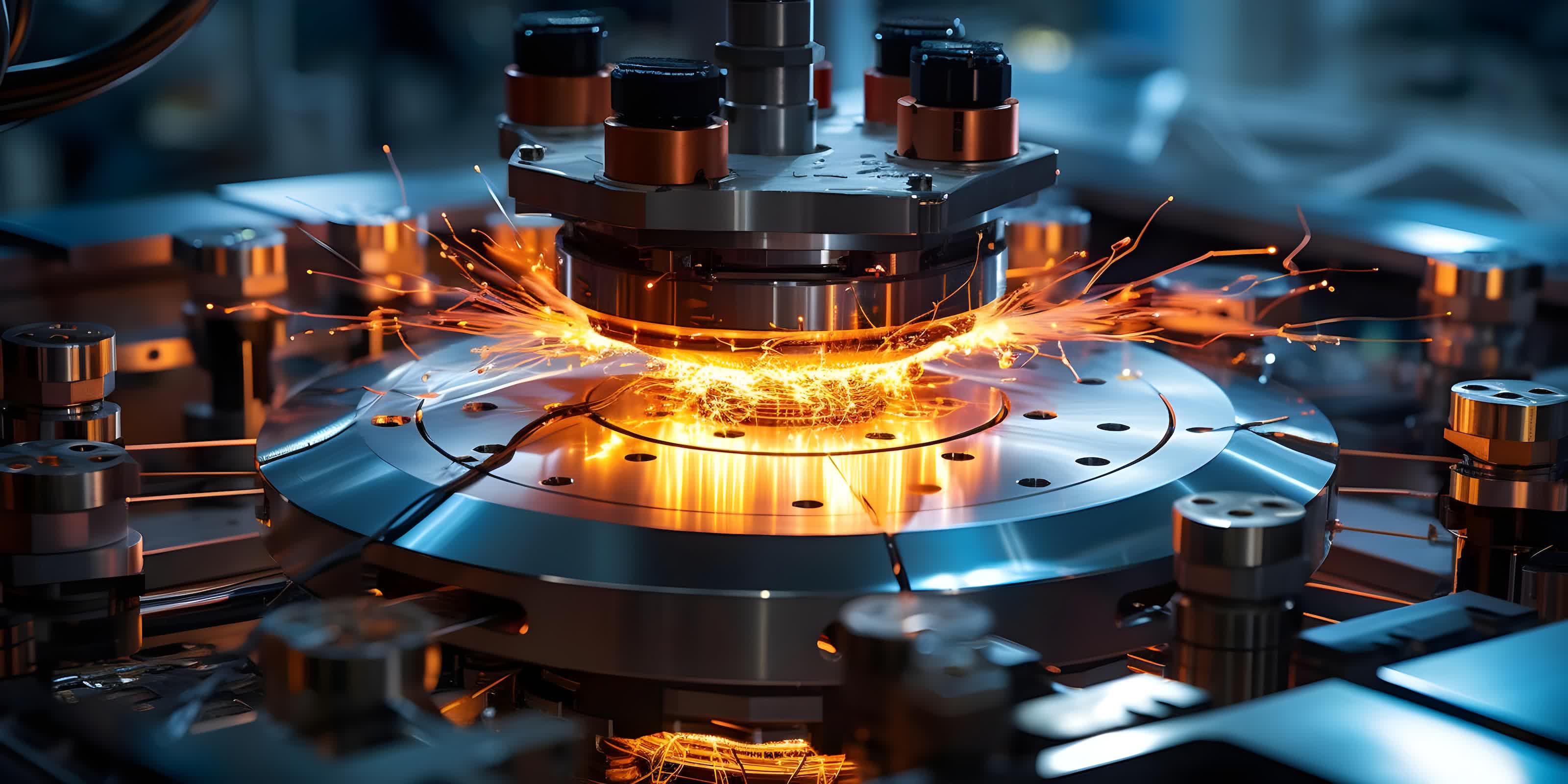
TSMC has launched a new initiative to rein in the massive electricity demands of its most advanced production lines. The company last month began deploying a Dynamic Energy Saving Program that targets its extreme ultraviolet (EUV) lithography systems – among the most power-hungry machines in the semiconductor industry.
The rollout started in September at several of the company's core sites, including Fabs 15B, 18A, and 18B in Taiwan, and TSMC expects to extend the system across all of its EUV tools worldwide before the end of the year. The program will become standard in all new facilities, including the second phase of Fab 21 in Arizona. Over the longer term, TSMC projects the system will save up to 190 million kilowatt-hours of electricity and cut carbon dioxide emissions by 101,000 tons through 2030.
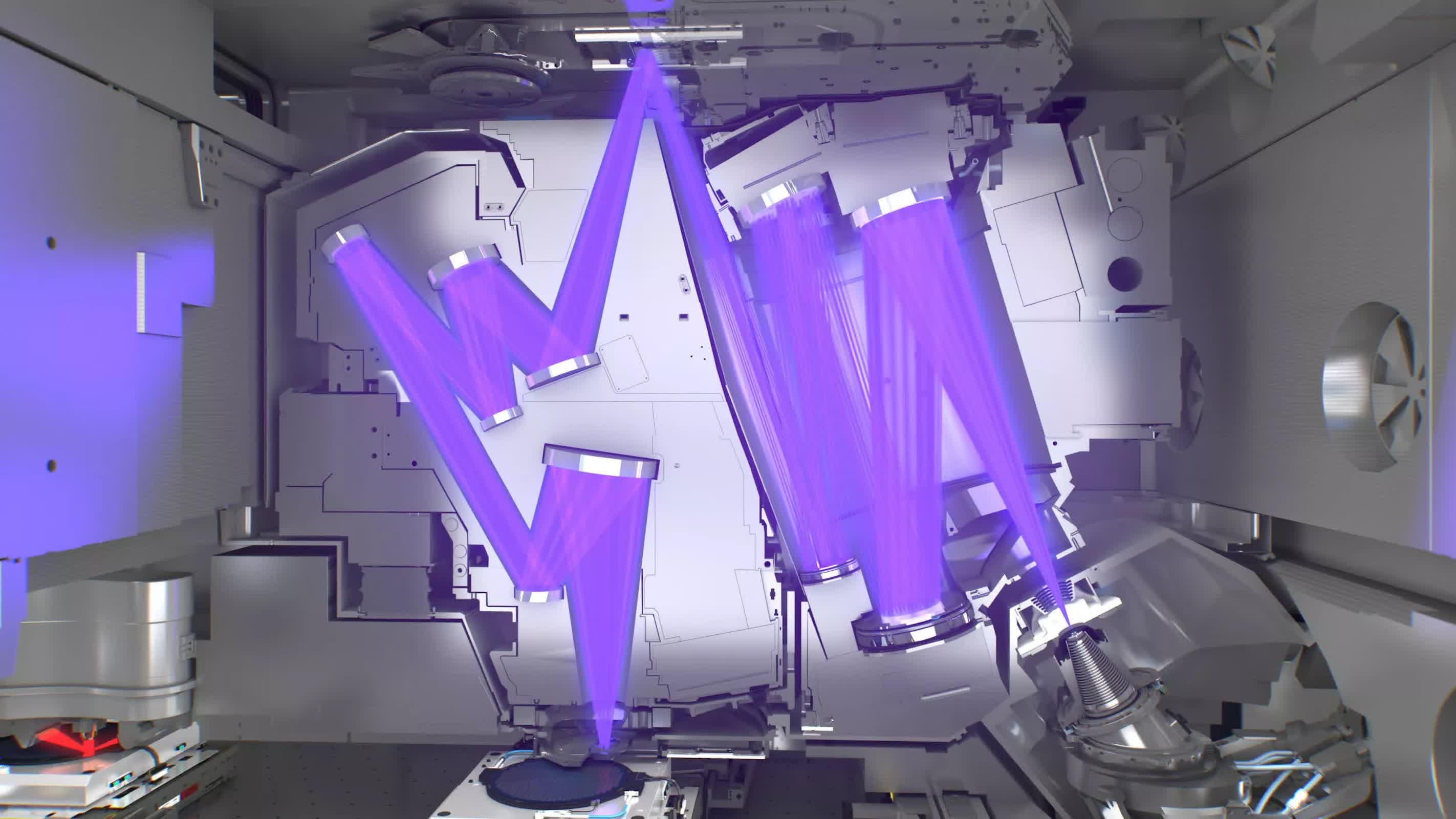
The chipmaker has not disclosed the technical details of its optimization, but the fact that the framework could later apply to deep ultraviolet (DUV) scanners and other fab equipment suggests it is not tied to EUV-specific engineering. It likely centers on adaptive control features that regulate energy use based on when wafers are actively being exposed inside a tool. For example, machines could shift out of full-power draw in periods of idle time, relying on real-time data exchange across the cleanroom and more flexible production scheduling.
Energy efficiency has been a long-standing challenge for the advanced lithography systems at the core of TSMC's operations. The EUV scanners, designed and manufactured by ASML, are critical for producing the smallest and most advanced logic chips but demand extraordinary amounts of power to operate.
Last year TSMC said its internal redesigns and optimizations had already cut their energy requirements by nearly a quarter compared with earlier generations, largely through improvements in fab-wide automation and system coordination. Those upgrades reduced the peak power draw of the tools by as much as 44 percent, without compromising manufacturing throughput, yield, or process quality.
Even with these gains, the scale of TSMC's consumption underscores the limits of incremental progress. The company consumed 25.55 billion kilowatt-hours of electricity in 2024, with only 3.61 billion coming from renewable sources. That usage accounted for almost 9 percent of Taiwan's total power demand. Importantly, less than half of TSMC's overall electricity went to lithography and other process tools; more than half supported the surrounding infrastructure such as cooling, air conditioning, and cleanroom operations.
By cutting back wasted energy in the production tools themselves, TSMC is addressing a share of its footprint, but the projected annual savings – equivalent to about NT$22.44 million at current average rates – represent only a small fraction of the company's total electricity bill.
TSMC slashes EUV power use nearly in half: without hurting yields


