
In context: The US is strengthening its rare-earth supply chain with another multibillion-dollar deal. As trade tensions with China persist, the Trump administration is moving to secure reliable access to critical minerals, both from domestic sources and international partners.
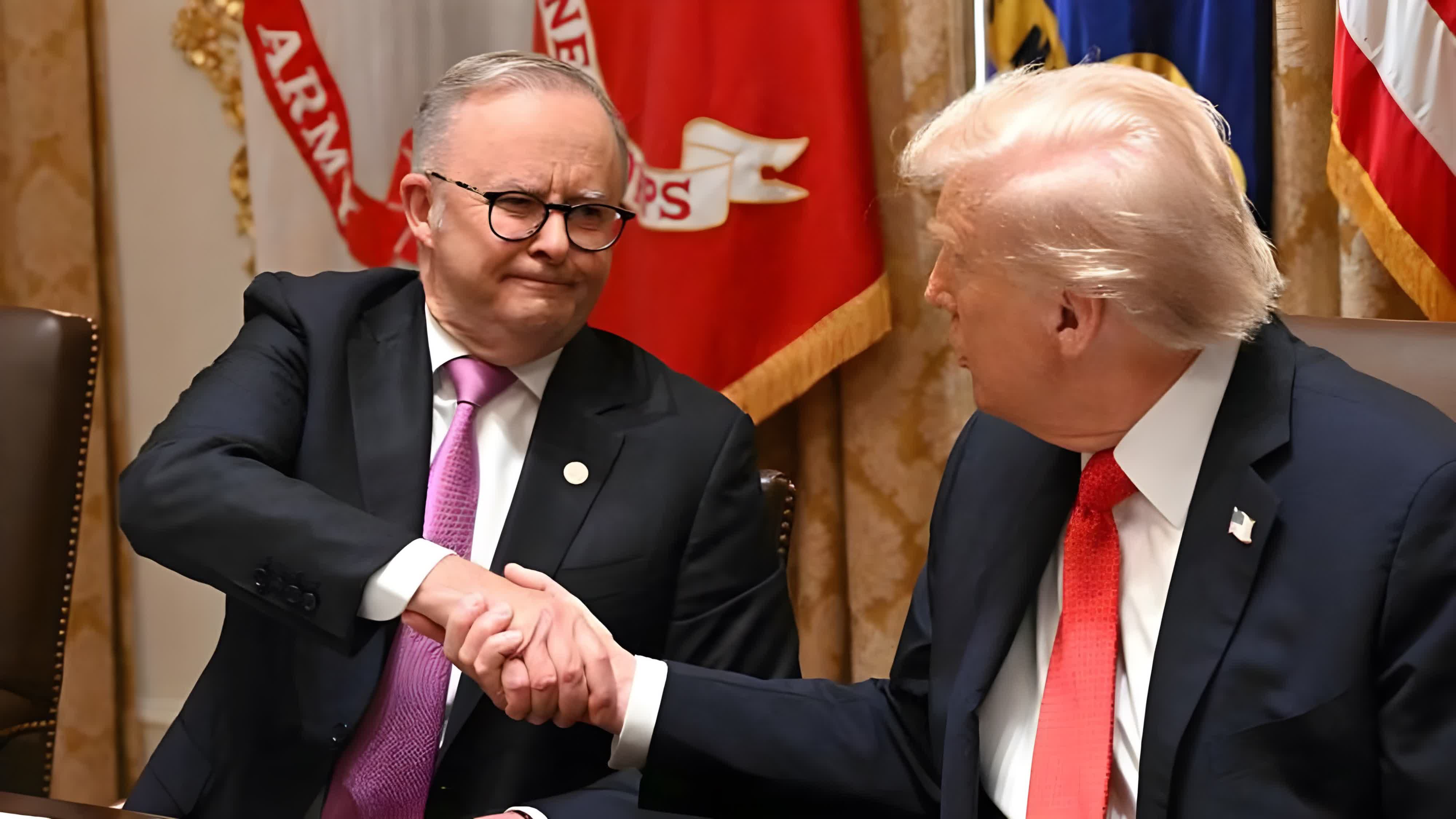
President Donald Trump and Australian Prime Minister Anthony Albanese signed an $8.5 billion critical minerals agreement Monday to secure materials vital for semiconductors, electric vehicles, and defense technologies. TechCrunch notes that the deal includes a $3 billion investment from both governments over the next six months, forming part of a broader $8.5 billion project pipeline.
As part of the agreement, the US Department of Defense will fund a new gallium refinery in Western Australia with an annual capacity of 100 tons – nearly five times current US consumption. Gallium is a key component in microwave circuits and blue and violet LEDs, critical for electronics and lasers. The US currently imports all of its gallium, leaving domestic manufacturers exposed to supply disruptions, particularly as China tightens restrictions on rare earth elements and other critical minerals.
The deal also includes a $1.2 billion purchase of autonomous underwater vehicles from defense startup Anduril, along with the first tranche of Apache helicopters in a separate $2.6 billion agreement. Officials have not clarified whether the AUV purchase represents a new program or extends the previously announced Ghost Shark initiative. Analysts say the contracts link mineral security with defense technology, reinforcing US-Australia strategic cooperation.
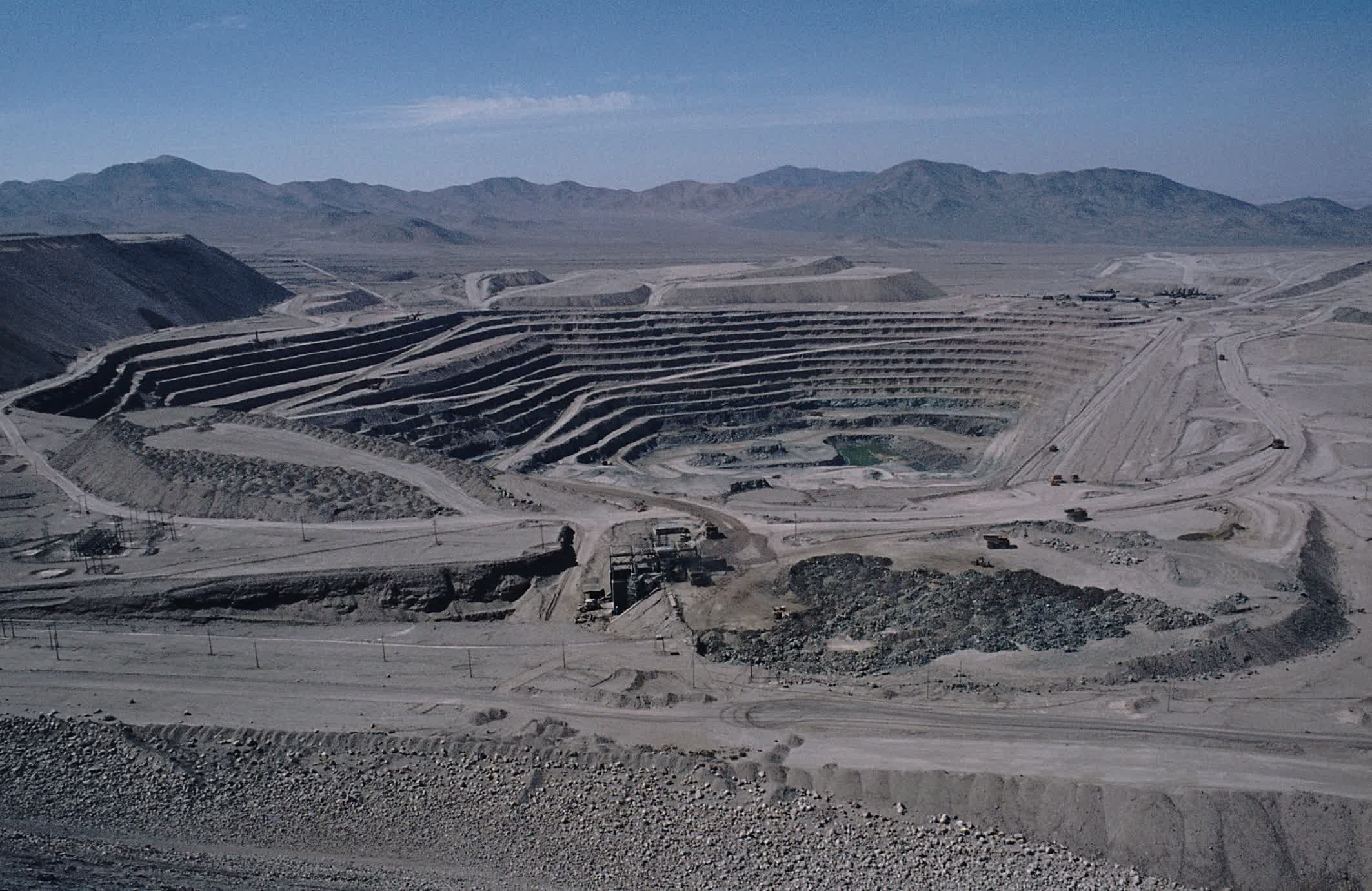
In addition to the Australia deal, the United States is accelerating domestic production of critical minerals. The Pentagon has invested $400 million in MP Materials to expand rare-earth magnet production in Texas and is supporting other firms including NioCorp and USA Rare Earth. These efforts, combined with the Australian partnership, aim to reduce US reliance on China, which controls most global rare-earth mining and processing.
White House officials have highlighted supply-chain security and strategic autonomy as key drivers. According to experts, even with expanded domestic production and international partnerships, US companies may face challenges meeting growing demand for rare-earth magnets and other materials essential to clean energy, defense, and high-tech manufacturing.
The critical minerals agreement underscores US commitment to building resilient, diversified supply chains. By combining investments in Australian projects, defense procurement, and domestic production, Washington and Canberra hope to strengthen technological and industrial independence while mitigating the risks posed by Chinese export restrictions.
Image credits: BBC, Reinhard Jahn


