The big picture: The United States is ramping up domestic production of critical minerals amid concerns over China's dominance in global supply. The White House has pledged billions of dollars to boost the industry at home and reduce reliance on Beijing, which still controls the vast majority of rare earths and related products.
The Pentagon is investing $400 million in MP Materials, a Nevada-based rare-earth producer building a new magnet plant in Fort Worth, Texas. The effort includes a $150 million Department of Defense loan and a guarantee to purchase all magnets produced at the facility. Officials also set a minimum price for the company's neodymium and praseodymium output – two rare-earth elements critical to high-strength magnets – for the next decade.
Other US companies are receiving similar support, marking an unprecedented level of government intervention in the industry. NioCorp, a Nebraska firm extracting niobium, titanium, scandium, and rare earths, received up to $10 million from the Pentagon this year to fund exploratory drilling. The company is also seeking $1.2 billion for a larger project.
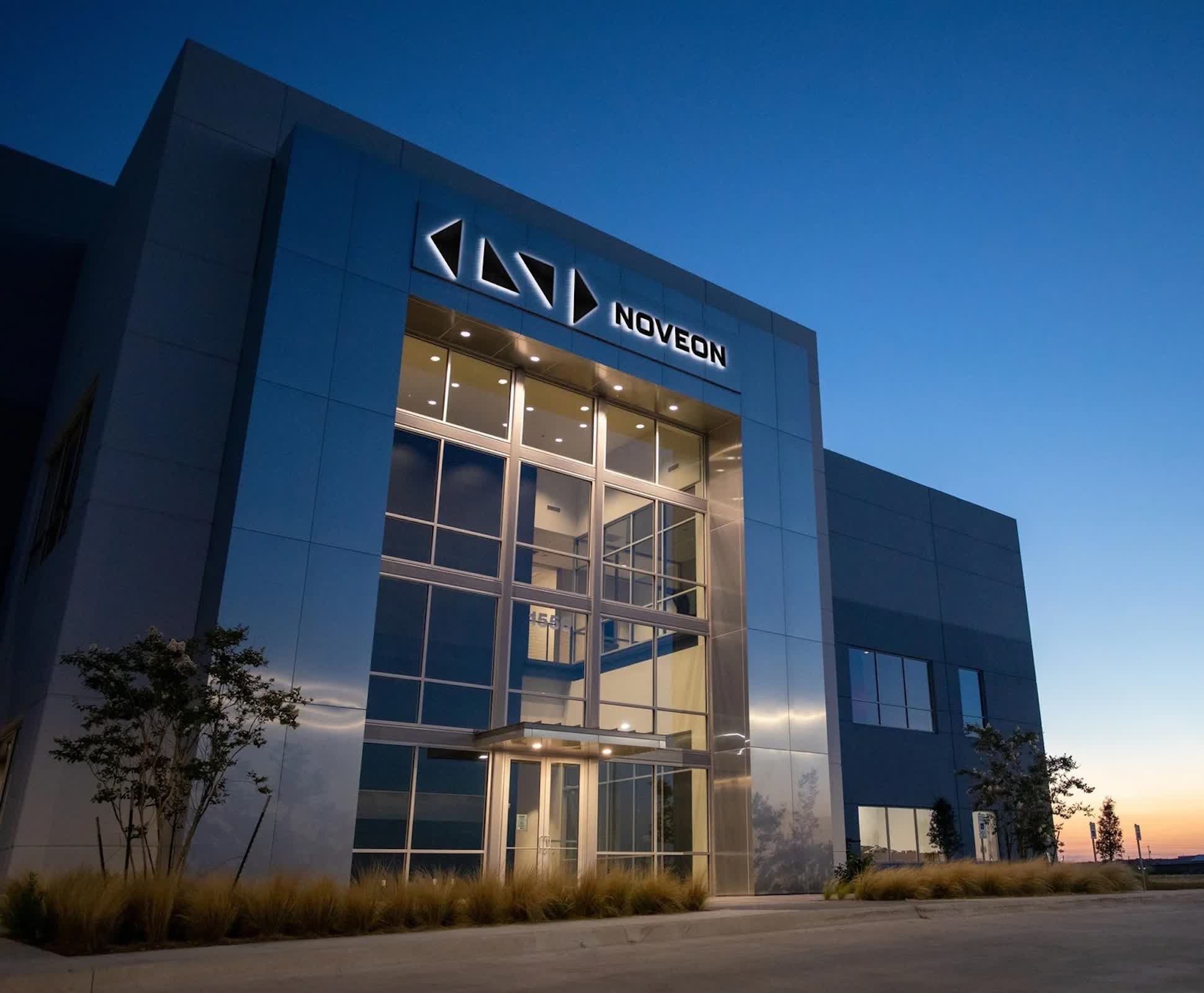
Meanwhile, USA Rare Earth plans to produce roughly 600 tons of rare-earth magnets in Oklahoma by 2026. That would complement operations at Noveon Magnetics, south of Austin, Texas, currently the only US facility actively manufacturing rare-earth magnets. That manufacturer is ramping up production to 2,000 tons annually.

Supply concerns over rare earths intensified earlier this year when Beijing imposed new export restrictions, temporarily halting production at Ford's Louisville Assembly Plant. Benchmark Mineral Intelligence notes that domestic producers supply only a fraction of the 35,000 tons of rare-earth magnets the US consumes annually. Analysts project demand could double over the next decade as clean energy and defense industry use cases grow.
In March, President Donald Trump signed an executive order warning that dependence on foreign producers for 50 key minerals – including 17 rare earth elements – posed "acute" threats to national and economic security. These minerals are critical for precision-guided missiles, submarines, fighter jets, robotics, and renewable energy infrastructure.
The US has combined federal aid with tariff threats and international negotiations. President Trump criticized China for dominating the global magnet market but said the United States has more substantial leverage. He suggested that if China were to cut off magnet exports, Washington could respond with tariffs of up to 200 percent on Chinese goods or restrict exports of airplane parts used in Chinese-operated Boeing jets.
Despite the sharp rhetoric, White House staff are working to stabilize trade relations, suggesting punitive measures may no longer be necessary. Chinese officials have expressed a preference for cooperation. Foreign Ministry spokesman Guo Jiakun stated this week that Beijing supports "mutual respect, peaceful coexistence, and mutually beneficial cooperation" in managing economic ties with Washington.
Industry leaders say significant challenges remain in reducing decades-long dependence on Chinese-mined and processed minerals. NioCorp CEO Mark Smith, who has spent more than 40 years in the industry, told The Associated Press that China has undercut competitors by keeping prices low, acquiring mines worldwide, and advancing refining technologies while limiting environmental constraints. Previous efforts to build American alternatives routinely collapsed under these conditions.
Currently, US companies face the added challenge of scaling operations quickly enough to meet surging demand. Even with MP Materials, Noveon, and USA Rare Earth adding more capacity, domestic production will fall short of the 35,000 tons needed to satisfy US consumption – and far below the projected doubled demand by the mid-2030s.
Congress has allocated substantial additional resources to the effort. This year's tax and spending legislation included $2 billion to expand the Pentagon's rare earth stockpile and $5 billion through 2029 for long-term supply chain development. Between 2020 and 2024, the Defense Department awarded more than $439 million in rare earth-related contracts.
The administration has also sought foreign supplies. President Trump has worked to secure critical minerals in Greenland and Ukraine, while a peace deal in central Africa between the Democratic Republic of the Congo and Rwanda could eventually open US access to resources there, though the outcome remains uncertain.
Analysts remain divided on whether US domestic efforts will suffice. Derek Scissors of the American Enterprise Institute said the White House might ultimately accept a deal in which China guarantees rare-earth shipments to the US – a move he warned could undermine economic independence.
Rare metals expert David Abraham, author of The Elements of Power, told AP that American mines remain years away from producing a significant new supply.
"Everyone agrees the US still has to work out a deal with the Chinese because American companies need more rare earths and specialized magnets than can be produced domestically," Abraham said.
US accelerates push to rebuild critical minerals supply chain as China tightens grip


 Trolling is keeping us poor
  .
.