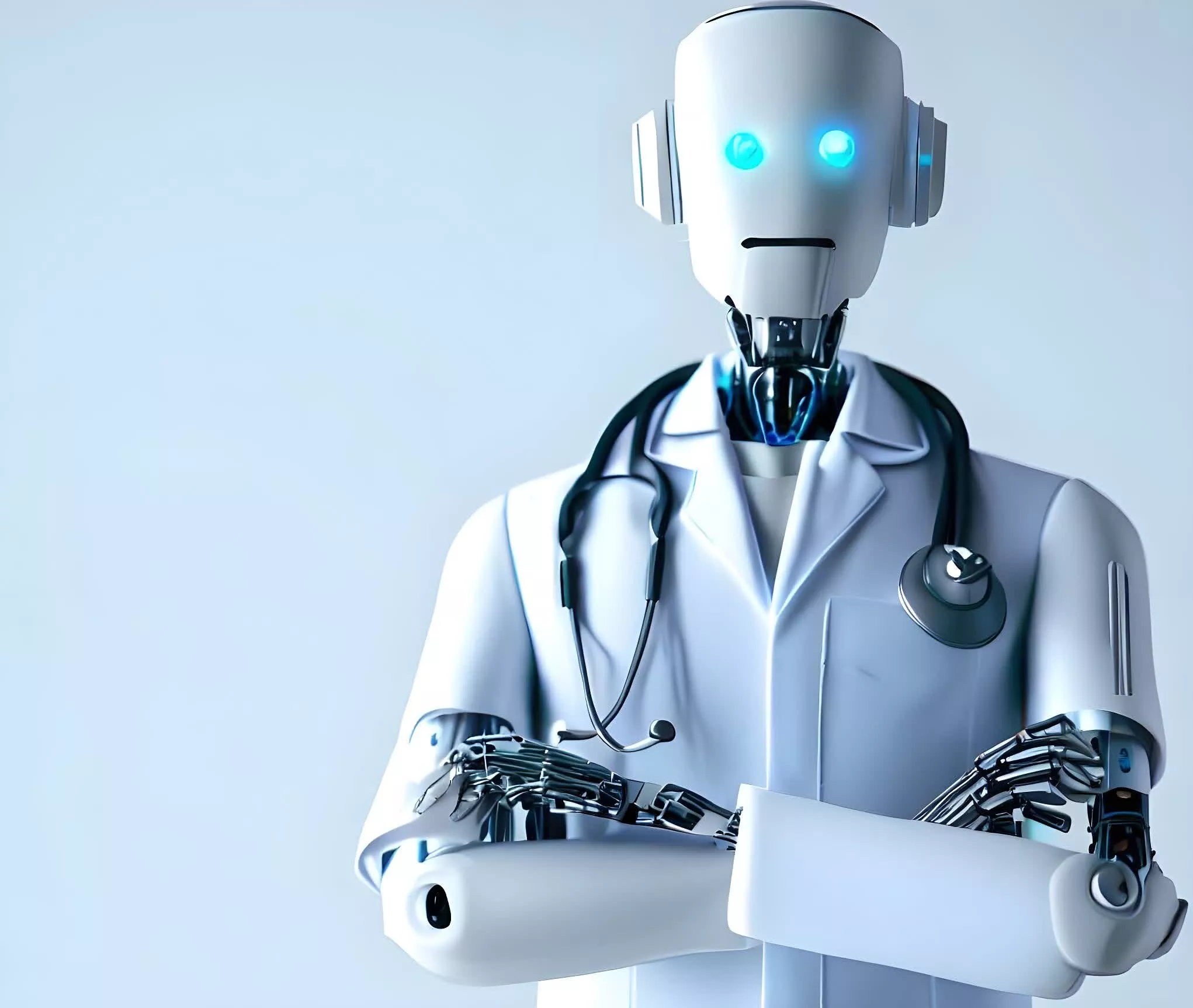
Facepalm: For all that AI is able to assist skilled professionals, doing so comes with the concern that overreliance could make people worse at their jobs if the technology is removed. This theory has essentially been proved after doctors became less adept at identifying potential cancer risks in patients after consistently using AI to help make those observations.
A study on the phenomenon (published in The Lancet) took place at four endoscopy centers in Poland, which were taking part in a trial program that saw AI used in colonoscopies for potential cancer prevention.
The researchers sought to discover whether continuous exposure to AI changed endoscopists' behavior when conducting colonoscopies. They assessed how endoscopists who regularly used AI performed the procedure when the tool was not in use.
The research team analyzed 1,442 colonoscopies conducted by experienced health workers – each had performed over 2,000 colonoscopies.
The success rate of detecting colon cancer was tracked for three months before AI tools were introduced, and again for three months after. Once AI was implemented, colonoscopies were randomly assigned to either use AI assistance or be performed without it.
In a result that was not entirely surprising, doctors who had been using AI saw their detection success rate drop by around 6% when the technology was removed.

"To our knowledge this is the first study to suggest a negative impact of regular AI use on healthcare professionals' ability to complete a patient-relevant task in medicine of any kind," said Dr. Marcin Romanczyk, Academy of Silesia in Poland, one of the study's authors.
"Our results are concerning given the adoption of AI in medicine is rapidly spreading," Romanczyk added. "We urgently need more research into the impact of AI on health professionals' skills across different medical fields."
This isn't the first time we've had proof that overreliance on AI can negatively affect a person's cognitive abilities. A recent MIT study found that as participants in an experiment wrote a series of essays, electronic brain monitoring revealed substantially weaker connections between regions of the brain in those who used large language models. This correlated with poorer memory and more derivative output.
According to he American Medical Association, around two out of every three physicians are already using AI for a multitude of purposes. While some of these are administrative tasks like documentation of billing codes, the tools are also used for assistive diagnosis. The 66% usage rate marks a 78% jump from the 38% of physicians who said they used AI in 2023.