
What just happened? Intel has filed a patent for a new software-based technology designed to boost single-core performance in x86 CPUs without relying solely on hardware scaling. The application describes a novel technique that allows multiple cores in a CPU to pool their resources and function as a larger "super core" to enhance single-threaded performance.
The technology, referred to as Software-defined Super Cores (SDC), would dynamically fuse multiple cores to execute single-threaded workloads while appearing to the operating system as a single physical core. According to Intel, this approach improves single-threaded performance without requiring higher voltage or frequency.
Traditionally, CPUs are designed with large cores and higher frequencies to improve single-core performance. However, this approach increases power consumption, leading to higher CPU temperatures under heavy workloads. The new technology aims to significantly improve single-threaded performance while improving power efficiency and keeping the thermals in check.
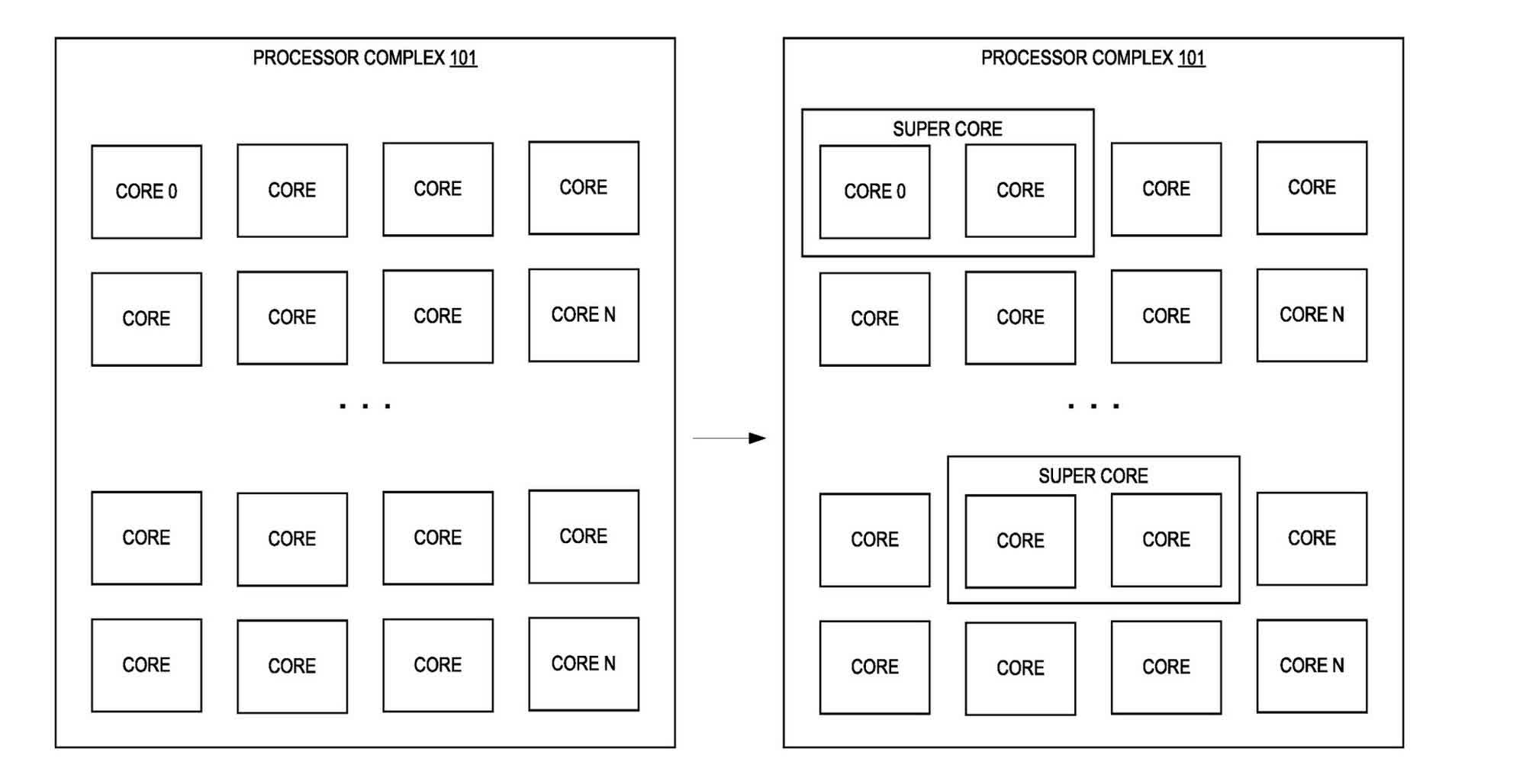
Intel claims that SDC avoids the drawbacks of large, inefficient, high-frequency cores by distributing workloads across multiple cores with the help of specialized software and a shared memory space.
The company believes this method will deliver better performance per watt while allowing CPUs to dynamically switch between standard and super core modes depending on workload demands.
One of the key challenges was splitting workloads across multiple cores while maintaining program order. Intel reports that its team solved this through innovative techniques, such as the Shadow Store Buffer, which ensures instructions are executed in the correct order while still presenting the fused cores to the operating system as a single logical core running a single thread.
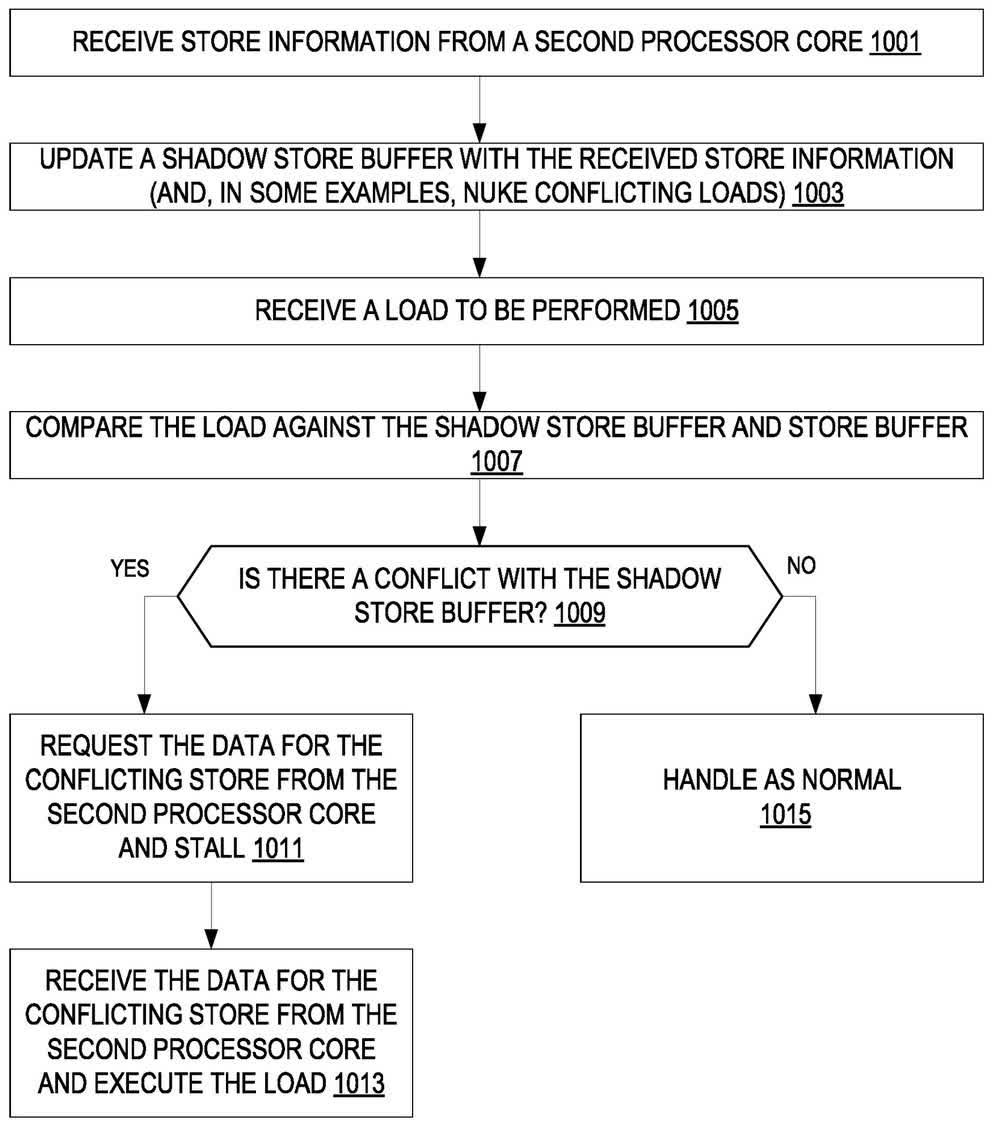
How Intel plans to integrate SDC into future products remains to be seen. To implement the technique successfully, the company must address challenges such as synchronization complexity to achieve seamless, low-latency inter-core communication – critical for maintaining program order across physical cores.
A leaked Intel document in June revealed that the company is developing Nova Lake-S for desktops and the low-power Nova Lake-U for laptops, followed by the Twin Lake, Wildcat Lake, and Bartlett Lake-S families. It is unclear whether any of these platforms will feature SDC or if more time will be needed before the technology reaches commercial products.