
Bottom line: The Trump administration has framed the initiative as both a technological and economic play, with the potential to expand US manufacturing and reinforce global leadership in aviation. Whether the technology gains traction will now depend on how smoothly these experimental projects can demonstrate to regulators, operators, and the public that air taxis are not only feasible but also safe.
A new federal initiative aims to fast-track the use of electric air taxis in US skies, an effort to position the country as a leader in advanced aviation technology. The Trump administration has announced an FAA-led pilot program that will allow experimental trials of eVTOLs before they complete the agency's lengthy certification process.
The Electric Vertical Takeoff and Landing Integration Pilot Program, or eIPP, is designed to run for three years beginning with the launch of its first project. At least five participants will be selected, according to a notice the agency said will be published this week. The program will test both piloted and remotely operated aircraft in real-world conditions, covering passenger transport, cargo delivery, and emergency response uses such as medical airlift.
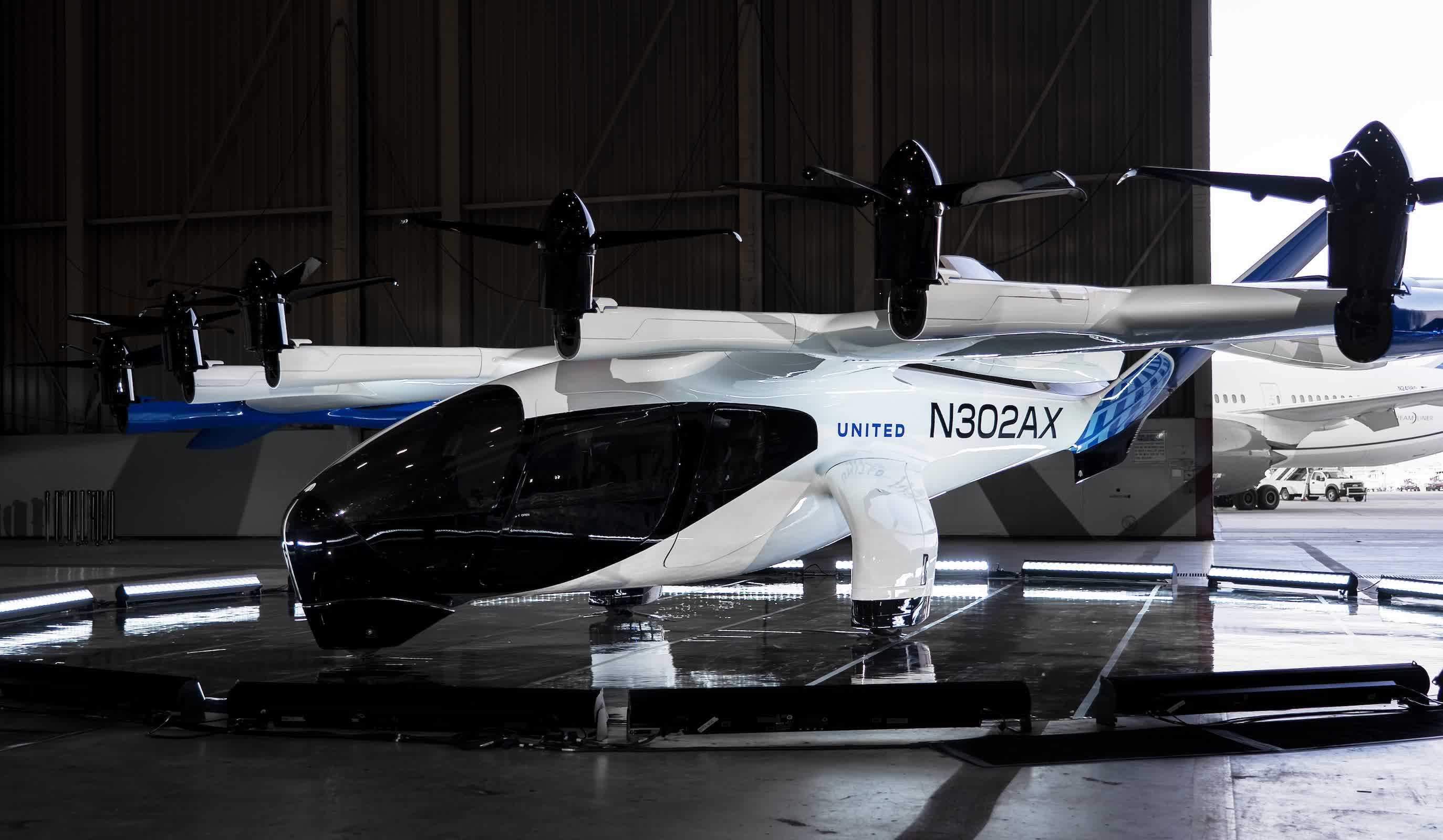
The effort builds on earlier FAA approvals that paved the way for eVTOL companies to test their technology. In June 2023, California-based Joby Aviation received approval to conduct test flights of its eVTOL prototype. The company has confirmed that it will participate in the new program, stating that the three-year initiative enables advanced air taxis to begin limited service in specific markets before achieving full FAA certification. Greg Bowles, Joby's chief policy officer, said the company has spent more than 15 years developing the aircraft technology and systems underpinning what the industry refers to as advanced aerial mobility.
Archer Aviation, another electric aircraft developer, also announced plans to take part. Founder and CEO Adam Goldstein said the goal is to prove eVTOLs can operate both safely and quietly, calling the trials a step toward commercial use at scale in US cities.
The creation of eIPP follows President Donald Trump's executive order in June directing agencies to accelerate drone integration into the National Airspace System. That order formed part of a broader push to expand emerging aviation technologies, a category that includes drones and passenger-capable eVTOLs.
Under the FAA's plan, the pilot projects will involve close coordination between federal regulators, state and local governments, and private sector aviation companies. The approach mirrors earlier federal initiatives to integrate drones into US skies by pairing regulators with commercial partners to test technologies in controlled environments.
While certification remains a hurdle – federal rules require every aircraft to receive FAA approval before being allowed to carry passengers or commercial cargo – the pilot program allows a structured pathway to test these aircraft at scale. Proponents argue that early demonstrations can provide regulators with data to refine future aviation rules, while also enabling communities to assess how eVTOLs integrate into local transportation infrastructure.