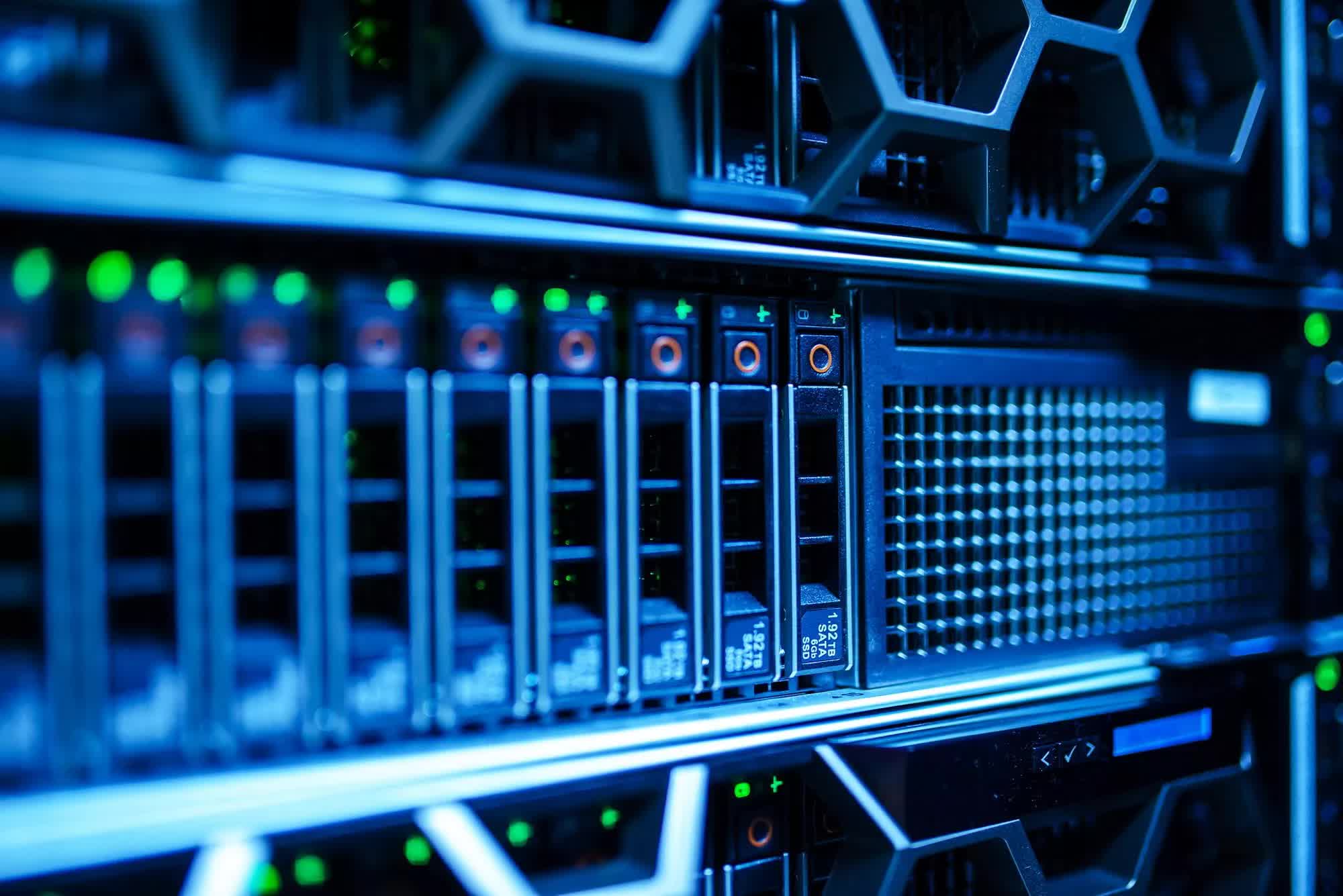
Recap: First, crypto mining sent graphics card prices soaring. Then came pandemic-fueled supply chain chaos, tariffs, and Nvidia's pivot to AI, reshaping the GPU market. Now, storage may be next in line. As demand for AI servers skyrockets, hard drives and SSDs risk becoming the latest PC components to suffer from price inflation – a shift that could ripple through the entire tech ecosystem, from data centers to everyday consumers.
Western Digital and SanDisk recently announced upcoming storage price hikes, with a TrendForce report blaming the surge to unprecedented AI server demand. While it's still unclear whether the impact will trickle down to consumer storage, anyone planning to buy a new SSD should start paying close attention to price trends.
The root of the problem is soaring demand for inference AI servers. Companies investing in the hardware needed to support the ongoing AI boom require massive amounts of storage that must be accessed regularly, though not constantly.
HDDs, which are slower than SSDs but much cheaper per gigabyte, are typically used for this type of "warm" or cold storage – making them ideally suited for these servers.
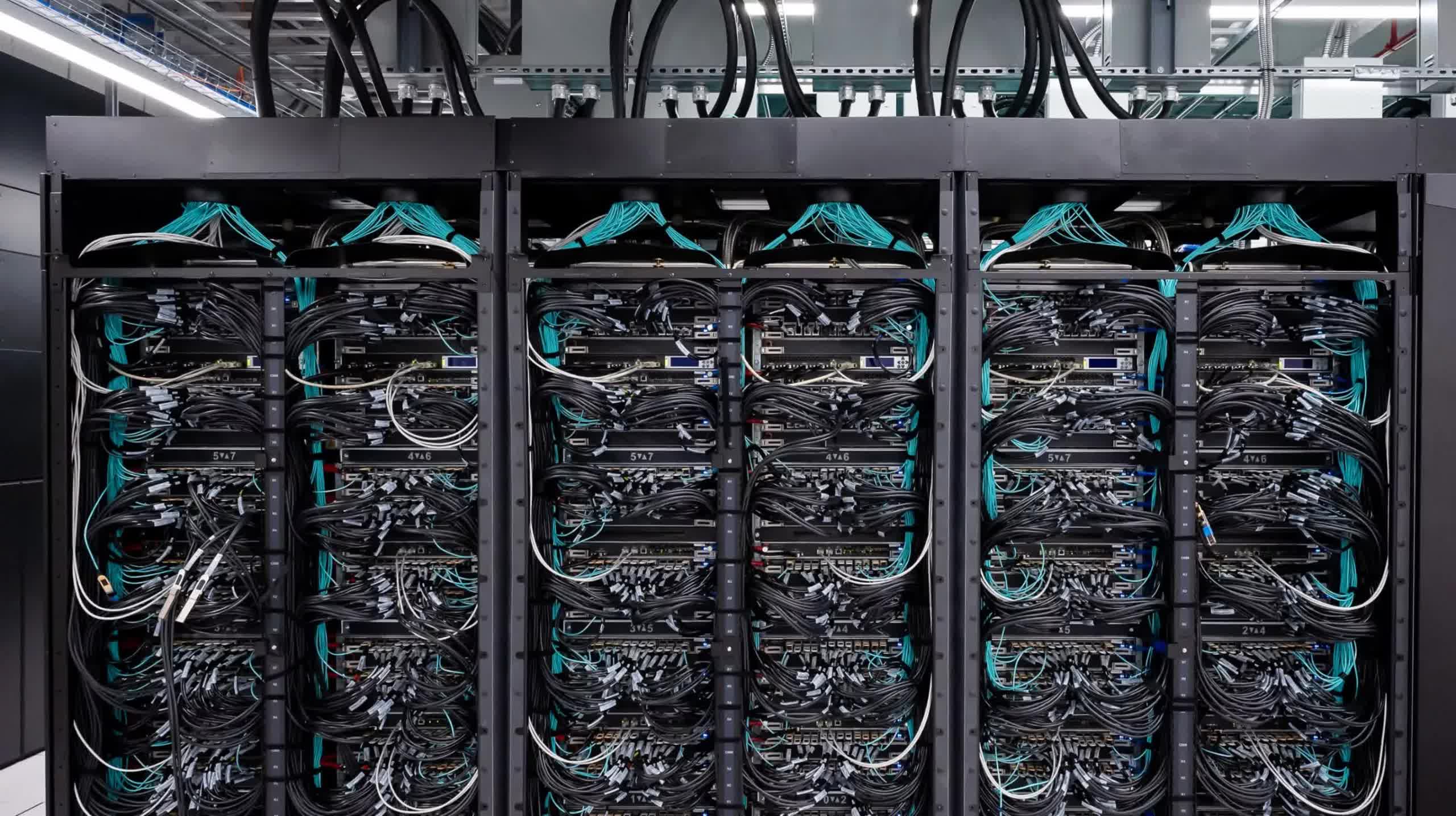
However, demand is straining supply to the breaking point. Lead times for acquiring new drives have grown significantly. When Western Digital announced a 30% price increase on all HDD products – effective immediately – it also revealed that it had turned to ocean freight to fill supply gaps. This move could extend shipping times by up to 10 weeks, and industry-wide HDD lead times could stretch to a year.
As HDD supplies tighten, some AI servers are turning to SSDs as substitutes despite their higher cost. SSDs are typically reserved for situations that require constant, high-speed access with lower power consumption. In response to the shifting demand, SanDisk announced a 10% price hike on SSDs and other NAND products, while Micron has frozen its NAND and DRAM quotes.
For now, consumer storage prices remain stable. According to PCPartPicker, prices for both SSDs and HDDs have held steady over the last 18 months, with 2TB NVMe SSDs averaging around $200. But the current stability may not last if enterprise demand continues to escalate.

The ripple effects of the AI boom extend beyond storage prices. The rapid expansion of data centers has driven up energy costs and, in some areas, even impacted water quality.
Earlier this year, residents in rural Georgia reported that local data centers had made their water undrinkable, while in the UK, officials absurdly urged residents to delete personal files to help conserve water used for cooling data centers.
Even as concerns about an AI bubble grow, the infrastructure being built may still prove valuable in the long run. Just as the tech industry eventually relied on the data centers created during the dot-com bubble, today's AI-driven buildout could lay the foundation for future innovations – whether or not the current frenzy lasts.