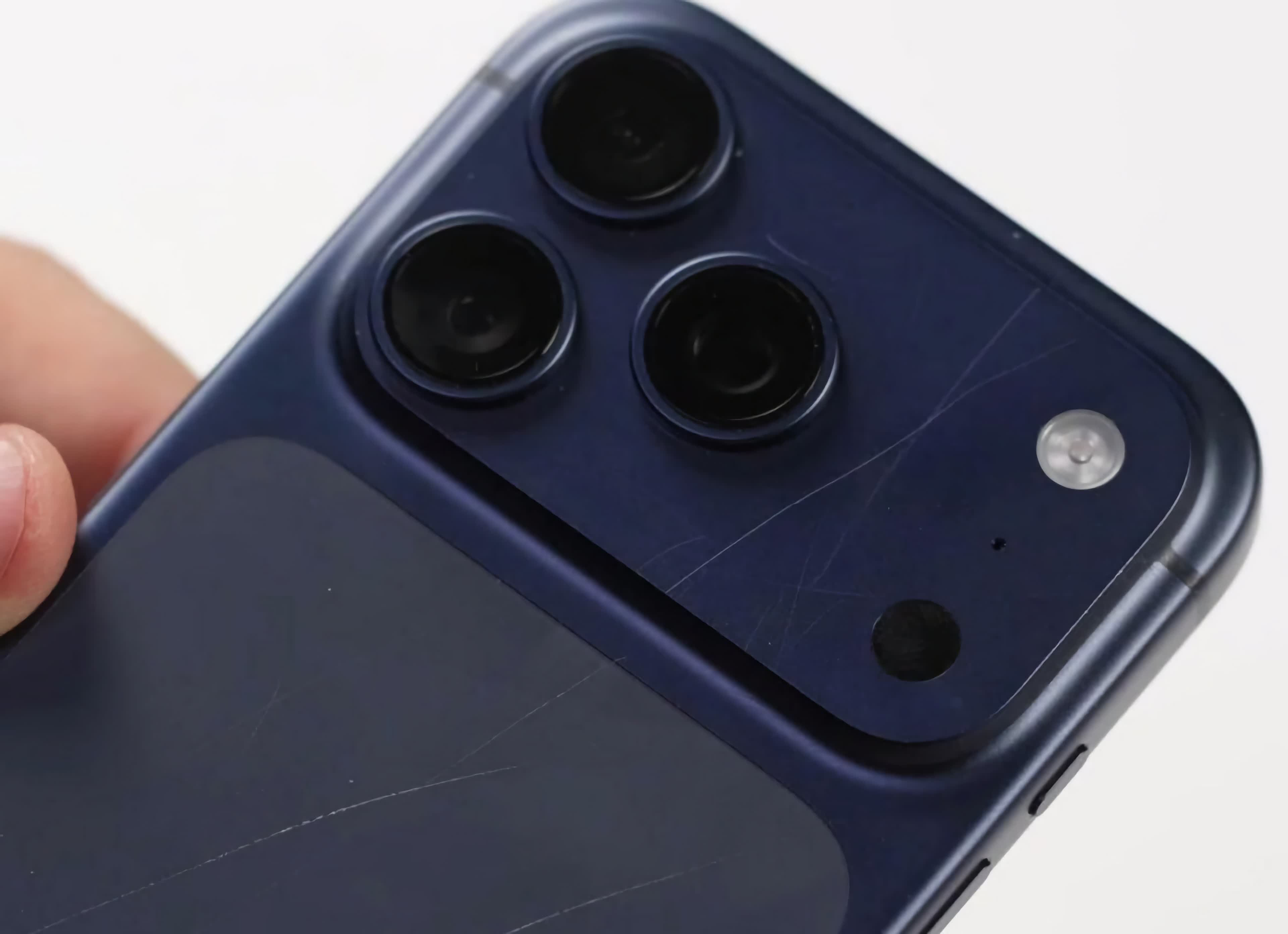
A hot potato: Cupertino is counting on the iPhone 17 to sustain momentum while it works to improve its artificial intelligence rollout, which encountered setbacks earlier this year. But early reports of scratches on the devices are marring what would be an otherwise strong debut for the latest flagship device.
Apple's latest iPhone release drew heavy crowds worldwide on Friday, but early buyers and store visitors quickly noticed that some of the new handsets were already showing signs of wear.
Reports from consumers and site visits by Bloomberg journalists documented visible scuffs on display models in New York, London, Hong Kong, and Shanghai, raising complaints that the new finishes are more vulnerable than Apple suggested.
Barely a day in the #Apple showroom, and the #iPhone 17 Pro and Max backplates have a bunch of very visible scratches. Is this the beginning of a #Scratchgate?🤔 pic.twitter.com/0ySopuE7o5
– Vikram Kriplaney (@krips) September 19, 2025
The deep blue editions of the iPhone 17 Pro and Pro Max were the most frequently cited models to show surface marks, with some units exhibiting blemishes only hours after going on display. The black iPhone Air also drew similar criticism. Additionally, the MagSafe charger was observed to leave a faint circular impression on the rear panel of the Pro lineup when attached.
Images posted to Weibo and X quickly circulated on launch day, showing scratches on newly unboxed phones. The Weibo hashtag relating to the issue climbed into the service's top trending topics in China on Friday, accumulating more than 40 million views. Some buyers used the term "Scratchgate" to describe the complaints, echoing controversies from previous iPhone generations.
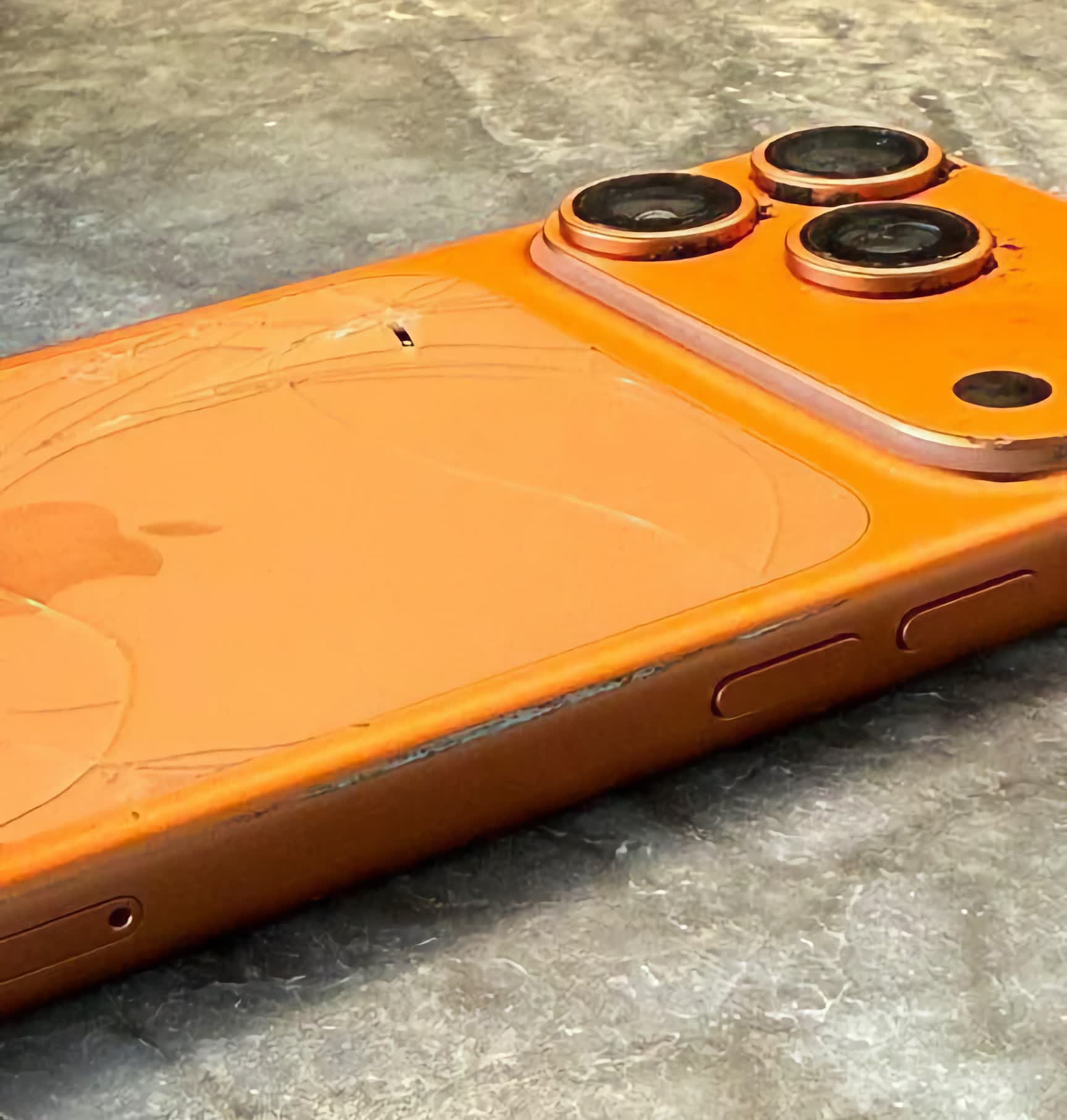
Apple marketed the iPhone 17 Pro with what it described as a more scratch-resistant back finish, but the return to aluminum has highlighted a trade-off. Aluminum, particularly in darker shades, has long been susceptible to visible scuffs. More than a decade ago, the black and slate iPhone 5 faced similar criticism, and in 2016 the glossy black iPhone 7 was faulted for its tendency to scratch.
For the current generation, Apple opted not to offer a true black iPhone 17 Pro. Instead, the lineup centers on deep blue as its darkest option, alongside two lighter colors. Prior Pro models used titanium, a more durable but thermally challenging metal. Analysts suggested the switch back to aluminum may have been a factor behind the absence of a black version.
@Apple sorry but #Scratchgate is real and very disappointing - a case will help but i reckon even a few minutes without a case in the pocket with keys and the phone is damaged - truly shame on you!
– Amar Singh🔹 (@amisecured) September 19, 2025
My iPhone 13 Pro Max has been without a case and there are NO scratches at all... pic.twitter.com/toWqY2Osv2
Cosmetic complaints are not new for Apple hardware. Earlier generations faced more significant design flaws: the iPhone 6 was criticized for bending under light pressure, while the iPhone 4 faced a high-profile backlash over antenna failures when held a certain way. The current marks and scuffs are less severe in comparison, though social media has amplified these early defects.
Despite the chatter, early sales figures point to robust demand for the higher-end models. In Hong Kong, supply for walk-in purchases was limited to the new iPhone Air, with Pro editions shifting to online orders and shipping delays of three to four weeks. Similar wait times were reported across Apple outlets in China, Singapore, Australia, and New Zealand. In South Korea, the iPhone 17 Pro could be secured within a week, while the Pro Max was not expected before late October.
While some users vented frustration online, including canceling pre-orders priced above $1,500, the complaints coincided with large crowds and long queues across launch markets. Apple has not issued a response regarding the reports of scratches or the MagSafe impressions.