
The big picture: Thousands of Londoners lose their phones to theft each year, and most never get them back. In a significant victory against organized crime, police say they have dismantled an international syndicate behind nearly half of all smartphone thefts in the city.
The Metropolitan Police said it arrested two men in North-East London on September 23 as part of Operation Echosteep for allegedly handling stolen electronics. The men, believed to be Afghan nationals, were later charged alongside a 29-year-old Indian man for their suspected involvement in organized crime.
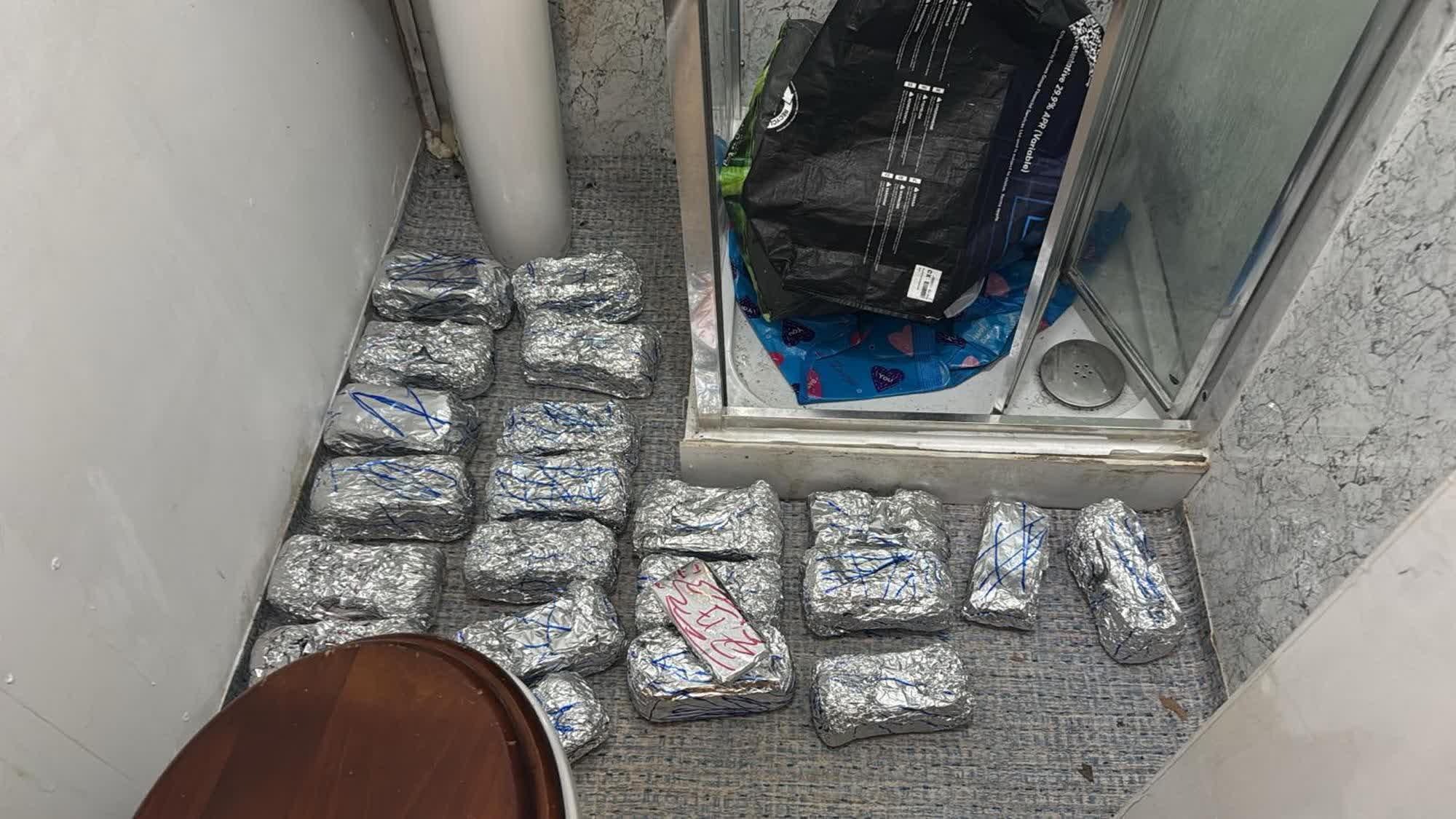
The suspects had "a number of devices" at the time of their arrest. Officers found around 2,000 more when raiding properties linked to them. Police subsequently arrested 15 additional suspects for robbery, pickpocketing, and alleged involvement in the crime ring. One of the arrested suspects is female, while the others are men.
Following the arrests, raids at 28 properties across London and Hertfordshire uncovered 30 additional stolen devices. Police believe the gang smuggled up to 40,000 stolen mobile phones from the UK to China over the past year – around 40 percent of all reported smartphone thefts in London during that time.
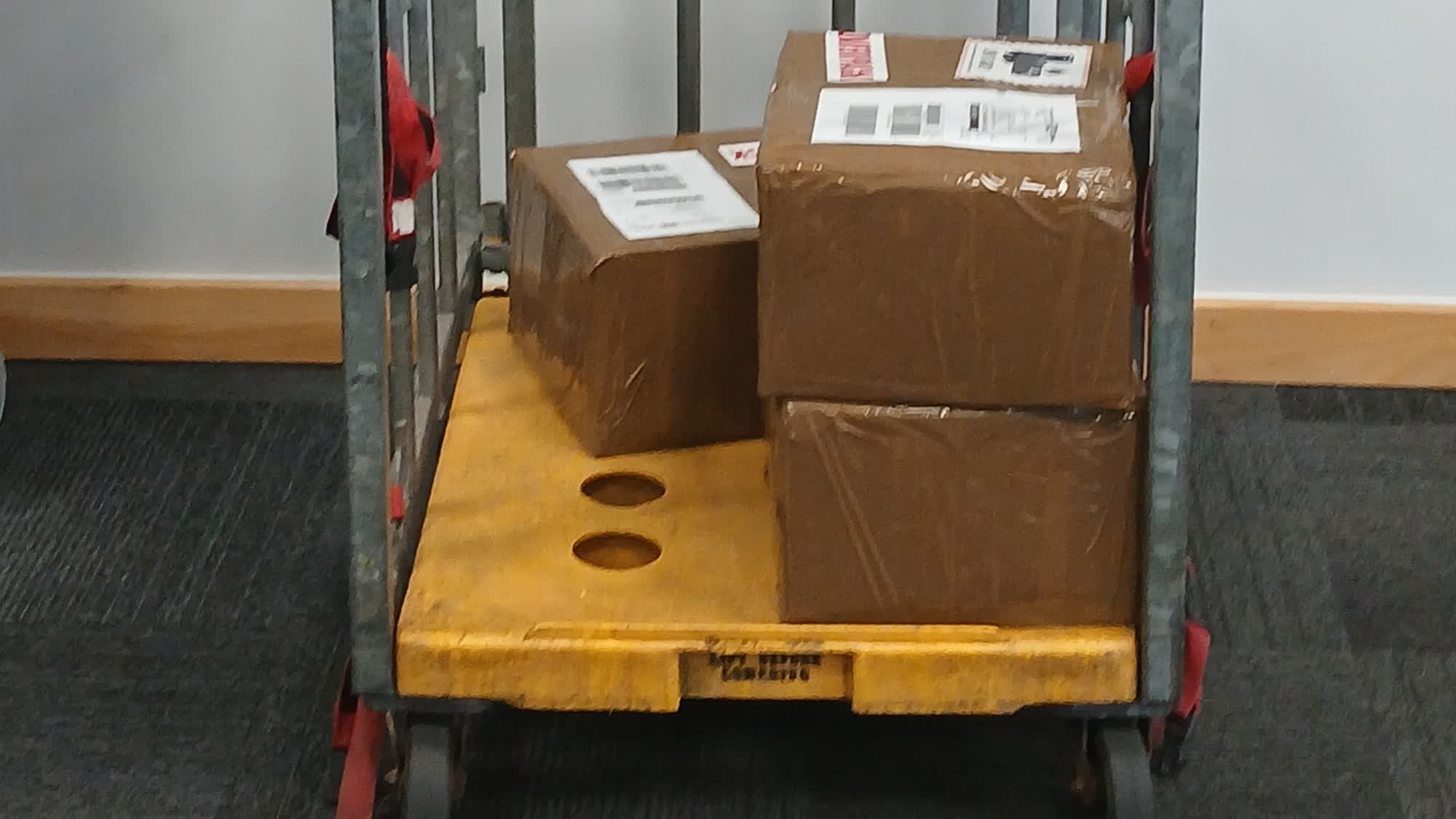
Operation Echosteep began in December 2024, when police used Apple's Find My tool to track a stolen iPhone to a warehouse near Heathrow Airport. Officers discovered the device in a box containing nearly a thousand phones bound for Hong Kong. Further interceptions of stolen shipments eventually led police to the suspects.
Commander Andrew Featherstone, who leads the Metropolitan Police's phone theft unit, described Operation Echosteep as the UK's largest effort to combat mobile phone theft and robbery. He urged manufacturers such as Apple and Samsung to do more to protect their customers, many of whom were violently assaulted during the thefts or lost irreplaceable photos and videos of deceased relatives and pets.
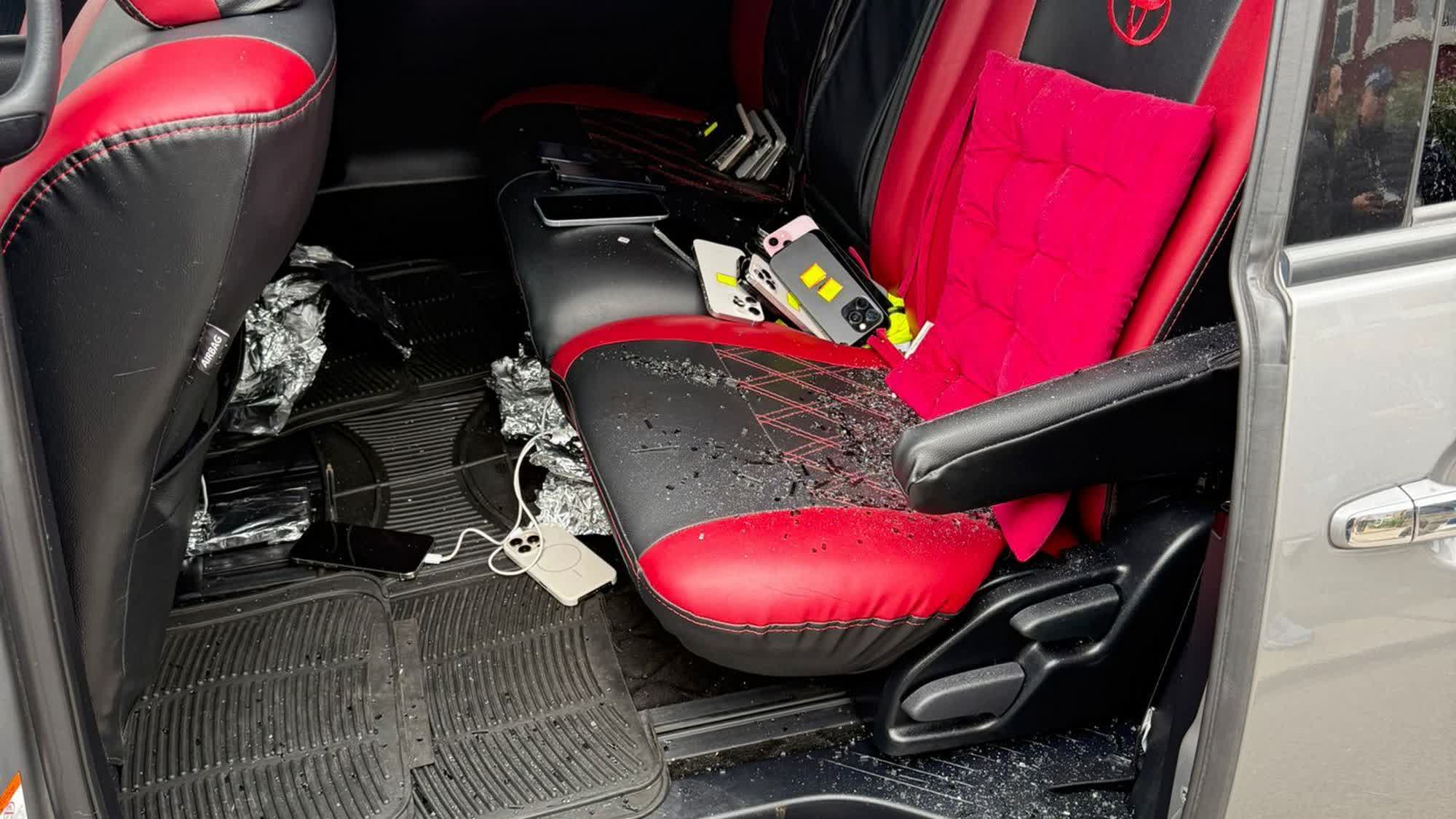
Most of the stolen devices were iPhones, which command the highest prices on the grey market. Police believe the thieves earned up to £300 ($403) per stolen iPhone, many of which were later sold abroad for as much as £4,000 (about $5,000). Most buyers were allegedly in China, where internet-enabled phones are in high demand to circumvent government censorship.