
WTF?! Public restrooms in parts of China are testing new dispensers that release toilet paper only after users scan a QR code and watch an online advertisement, a system that has drawn widespread public criticism. Local governments have not disclosed how many units are in operation or whether data collected will be anonymized or monitored.
The mounted paper dispensers are equipped with optical scanners that display a QR code. Users must use their smartphones to connect to the dispenser, triggering an app-based video advertisement that runs for a few seconds.
When the ad concludes, the machine releases a controlled length of paper. Those unwilling to engage with the promotional content can bypass the process by paying 0.5 renminbi – about seven US cents.
In China if you want toilet paper you first have to watch ads.
byu/Shaddes_ inCyberpunk
Municipal officials have described the program as part of an ongoing campaign to reduce waste in public facilities.
Cases of residents and tourists taking large amounts of complimentary paper have been documented for years in high-traffic areas, leading some city governments to test technology-based rationing measures.
The new dispensers represent an evolution of earlier systems – chiefly the facial recognition machines installed at Beijing's Temple of Heaven park in 2017. Those devices used a face scan to identify individuals and impose a timed restriction, allowing only a small amount of paper every nine minutes.
It remains unclear whether the advertisement-based dispensers will expand beyond their trial phase.
Supporters say these new ad-based dispensers use simple digital scans instead of facial recognition, making them easier to set up and manage. Each dispenser connects via a low-power wireless module to an advertising platform capable of serving localized or targeted video content.
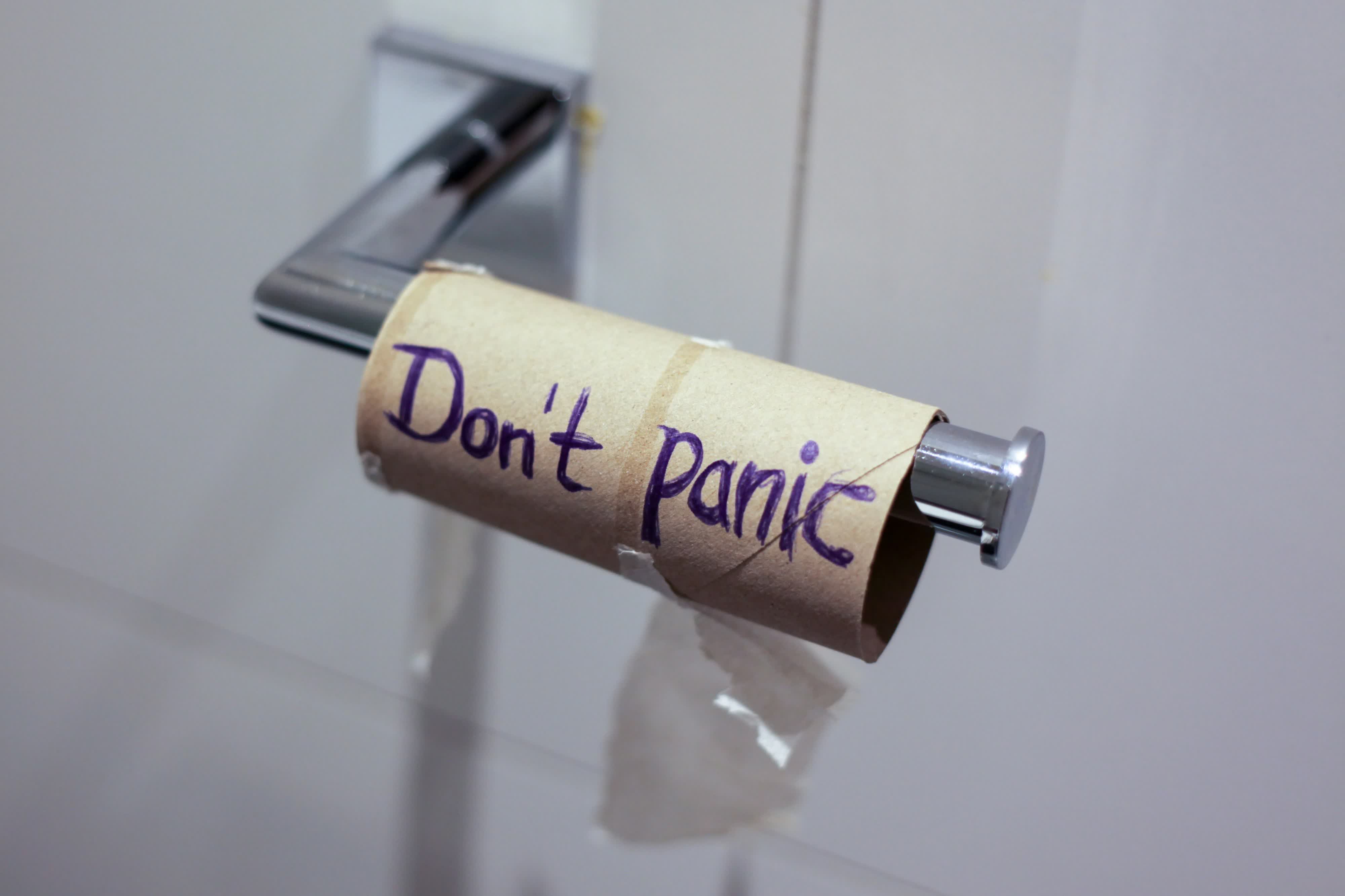
Unsurprisingly, public response has been cynical. Videos circulating on Chinese social media platforms show visitors expressing frustration at the process. Critics question both its practicality and its effect on public dignity. "Toilet paper in China now requires watching ads – dignity is no longer free, it's sponsored," one user wrote on X. Others noted that the system disadvantages those without mobile service, battery power, or small change for the paid option.
The debate has also revived discussion about the country's hybrid economic model. China's rapid embrace of digital commerce and cashless transactions has generated technological innovation but also new forms of monetization in daily life. What began as a solution to paper theft has, in the eyes of many residents, become an emblem of a broader tension – where public infrastructure intersects with private profit and behavioral surveillance.
Image credit: Metro