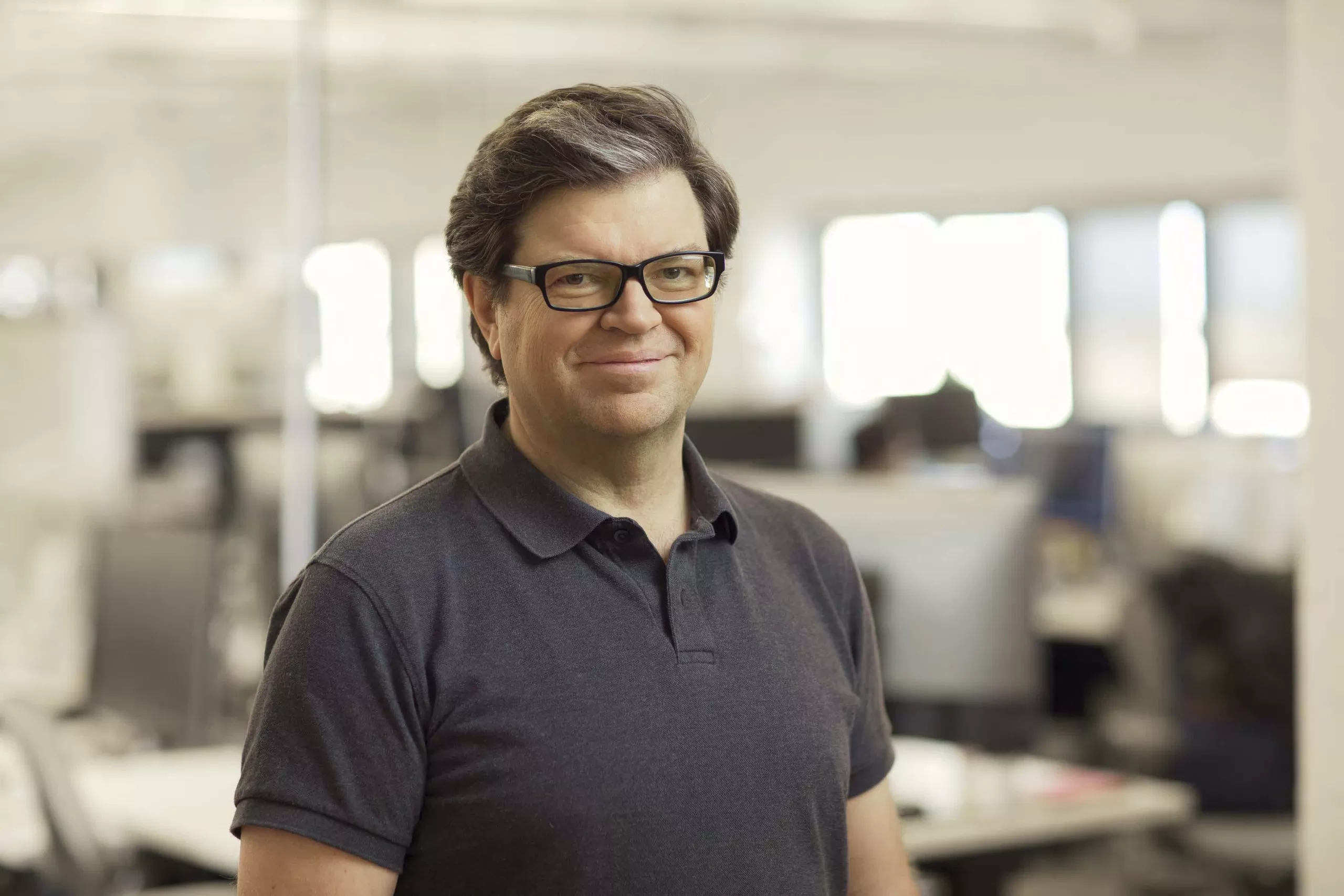
In a nutshell: Yann LeCun, one of the so-called Godfathers of AI and Meta's chief artificial intelligence scientist, is reportedly planning to leave the company to form his own AI startup. LeCun is an integral part of Meta's AI ambitions, as illustrated by its shares falling 1.5% in premarket trading on the back of the news.
Citing people familiar with the matter, The Financial Times reports that LeCun is in early talks to raise funds for his venture, which will focus on advancing work on world models.
In the late 1980s and early 1990s, LeCun developed LeNet, one of the first successful convolutional neural networks (CNNs), used for recognizing handwritten digits. This architecture laid the foundation for modern computer vision, powering technologies like image recognition, facial recognition, and autonomous vehicles, and was a prototype for today's CNNs.
LeCun joined Facebook, as it still was then, in December 2013 as the founding director of Facebook AI Research (FAIR). In his current role as Chief AI scientist, he oversees long-term research projects in areas such as self-supervised learning, world models, and autonomous AI systems.
Losing the deep-learning pioneer would be a blow for Meta. The company says it plans to invest more than $600 billion in the US by 2028 in AI technology, infrastructure, and workforce development. This year also saw Meta make a $14.3 billion investment to take a 49% stake in Scale AI, hiring former CEO Alexandr Wang in the process. LeCun now reports to Wang, according to the FT report.
In October, Meta laid off about 600 employees within its artificial intelligence groups, a move the company says will streamline operations and remove layers in the decision-making process. Workers in FAIR and its AI product and infrastructure division were most affected.
TBD Labs, an elite unit within Wang-led Meta Superintelligence Labs that develops next-generation foundation models, was unaffected by the layoffs.
LeCun has a more grounded, many would say realistic view of generative AI's future. He has said on more than one occasion that its threats to humanity are "ridiculous" and "complete B.S." He's also skeptical about AI superintelligence arriving anytime soon, or that the large language model path will lead to AGI.