
Forward-looking: What started as a curiosity at CES 2025 has quietly matured into one of the show's most convincing sustainability narratives a year later. Flint, the Singapore-based startup developing a fully cellulose-based paper battery, is now in production and gearing up to supply its renewable power cells to major electronics partners, including Logitech, Amazon, and Apple accessory maker Nimble.
At this year's show, Flint wasn't showing off just lab prototypes. The batteries running toy trains at its booth were production-grade AA and AAA cells made from plant-based materials, not the metal-heavy chemistries that dominate today's market. Flint says those alkaline-style replacements are slated to reach consumers later in 2026, offering lifespan and voltage performance on par with conventional batteries.
Flint hasn't reinvented the form factor but the real innovation is the reengineering of materials. Instead of lithium, nickel, or cobalt, every core component – the anode, cathode, electrolyte, and separator – is derived from cellulose sourced from plants.
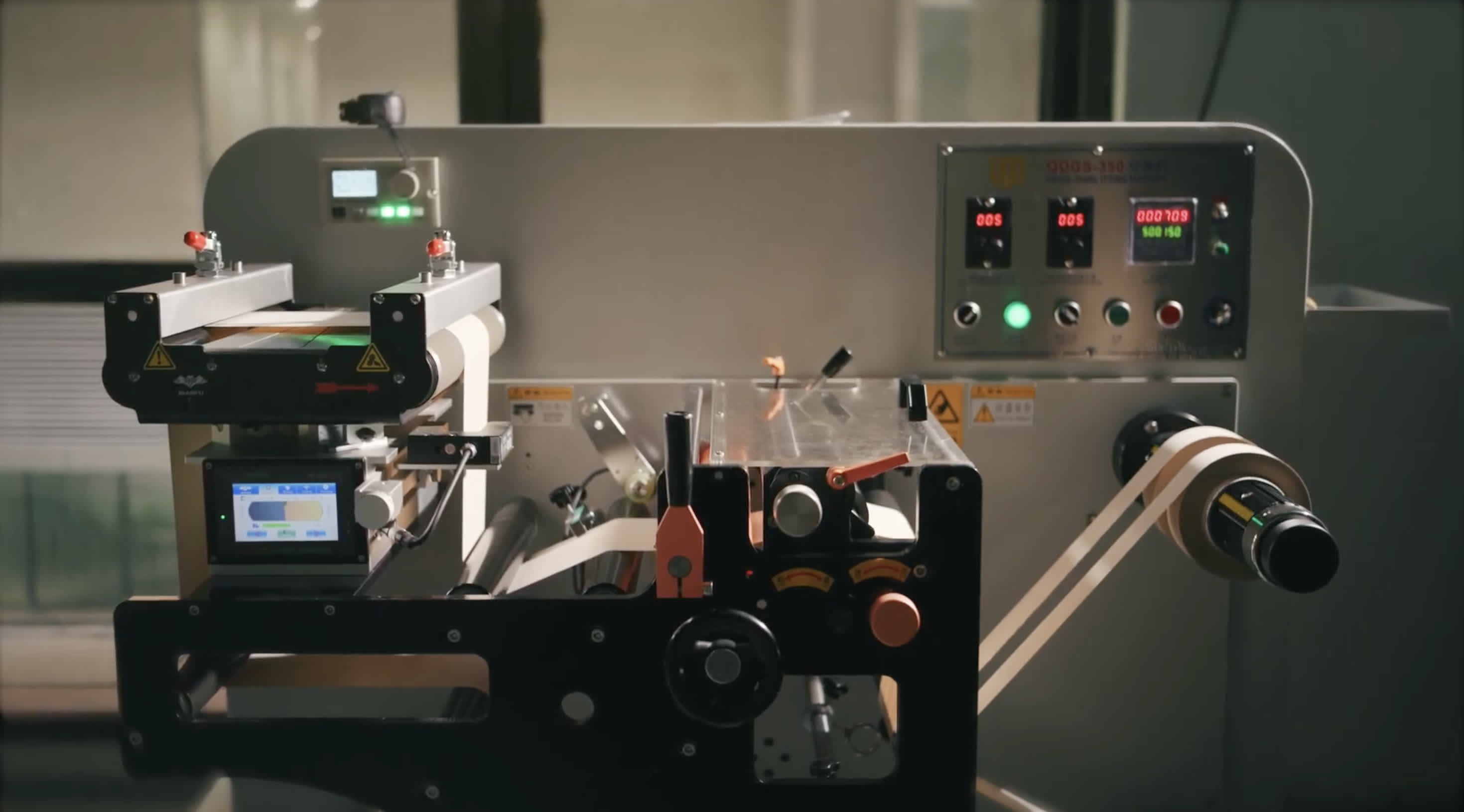
The chemical reaction depends on water-based electrolytes mixed with food-safe minerals such as zinc and manganese. The result is a fully non-toxic, biodegradable cell that avoids the pollution risks and waste-handling challenges of current battery technology.
Production is already underway in Singapore, where Flint sources cellulose from local plant species. Founder Carlo Charles told CNET that the company plans to adapt its process regionally, using available plants – including invasive species that are often considered ecological nuisances as feedstock for cellulose extraction.
The strategy could transform an environmental burden into a renewable input, with implications that stretch beyond consumer electronics.
Flint's thin, flexible paper batteries are also finding their way into slim accessories developed by sustainability-focused manufacturer Nimble, signaling that the chemistry can scale across different product categories.

Despite their water-based design, the cells deliver stable performance under normal operating conditions while remaining safer to handle and easier to dispose of than lithium or traditional alkaline batteries. As electronics companies face growing pressure to clean up their supply chains and reduce carbon footprints, Flint's approach presents a viable route to decarbonize one of the least sustainable components in personal tech.
On a CES floor crowded with next-gen lithium cells and solid-state concepts, Flint's paper batteries stood out for a far less flashy reason: they're ready to ship.
Masthead credit: CNET