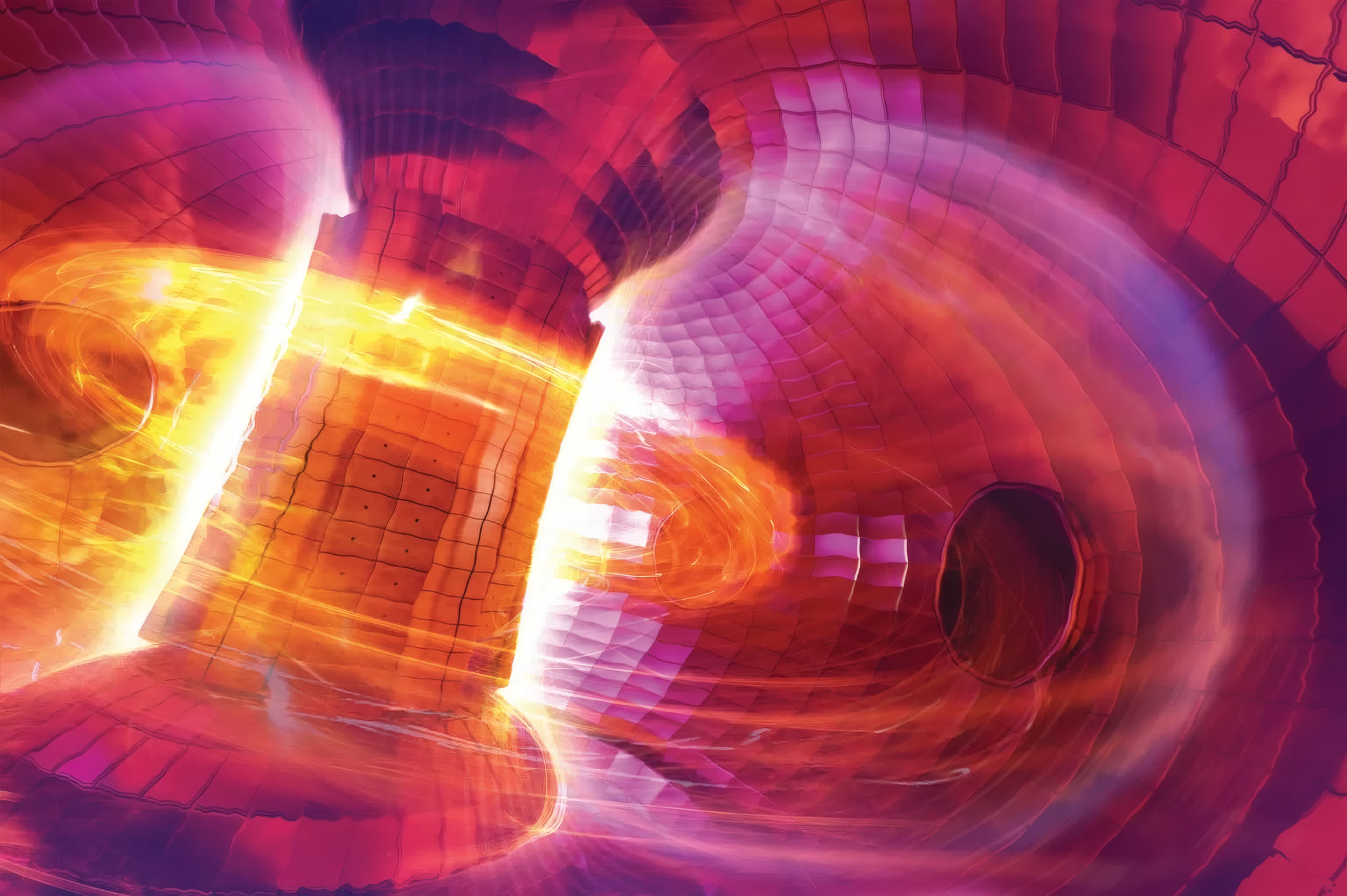
The big picture: For decades, the promise of fusion power seemed just out of reach – a theoretical miracle of physics that stubbornly refused to move from blueprint to breaker box. Yet in laboratories from France to China, a new generation of reactors is rewriting the story, and the tone has shifted from skepticism to cautious optimism.
The machines at their center, called tokamaks, have evolved from experimental curiosities into instruments capable of sustaining confined plasma – matter so hot it mimics the interior of stars – for record periods of time.
The fusion process is governed by the same principle that powers the sun: forcing hydrogen nuclei to bond into helium, releasing vast amounts of energy in the process. On Earth, achieving this demands temperatures exceeding 100 million degrees Celsius and magnetic fields powerful enough to corral plasma that would otherwise melt any known metal.
The key challenge has always been maintaining stability under these extreme conditions long enough to achieve net energy, when a reactor produces more power than it consumes.
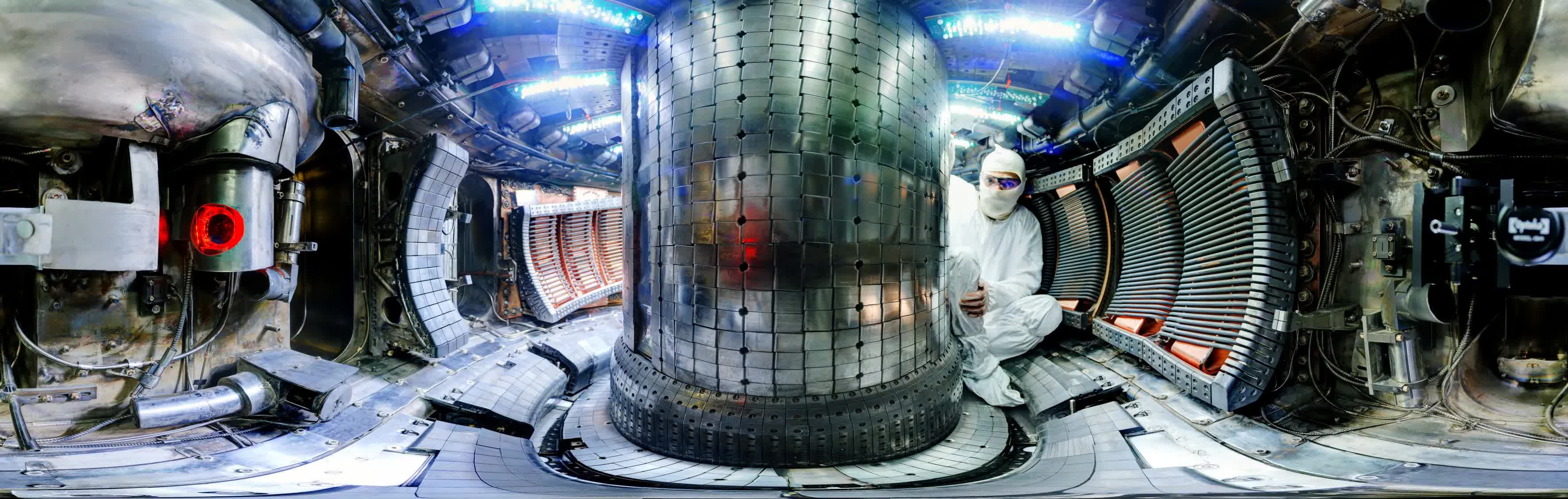
The past few years have seen striking progress. China's Experimental Advanced Superconducting Tokamak (EAST) broke through an empirical density threshold known as the Greenwald limit, showing that tokamaks can operate at higher densities without destabilizing.
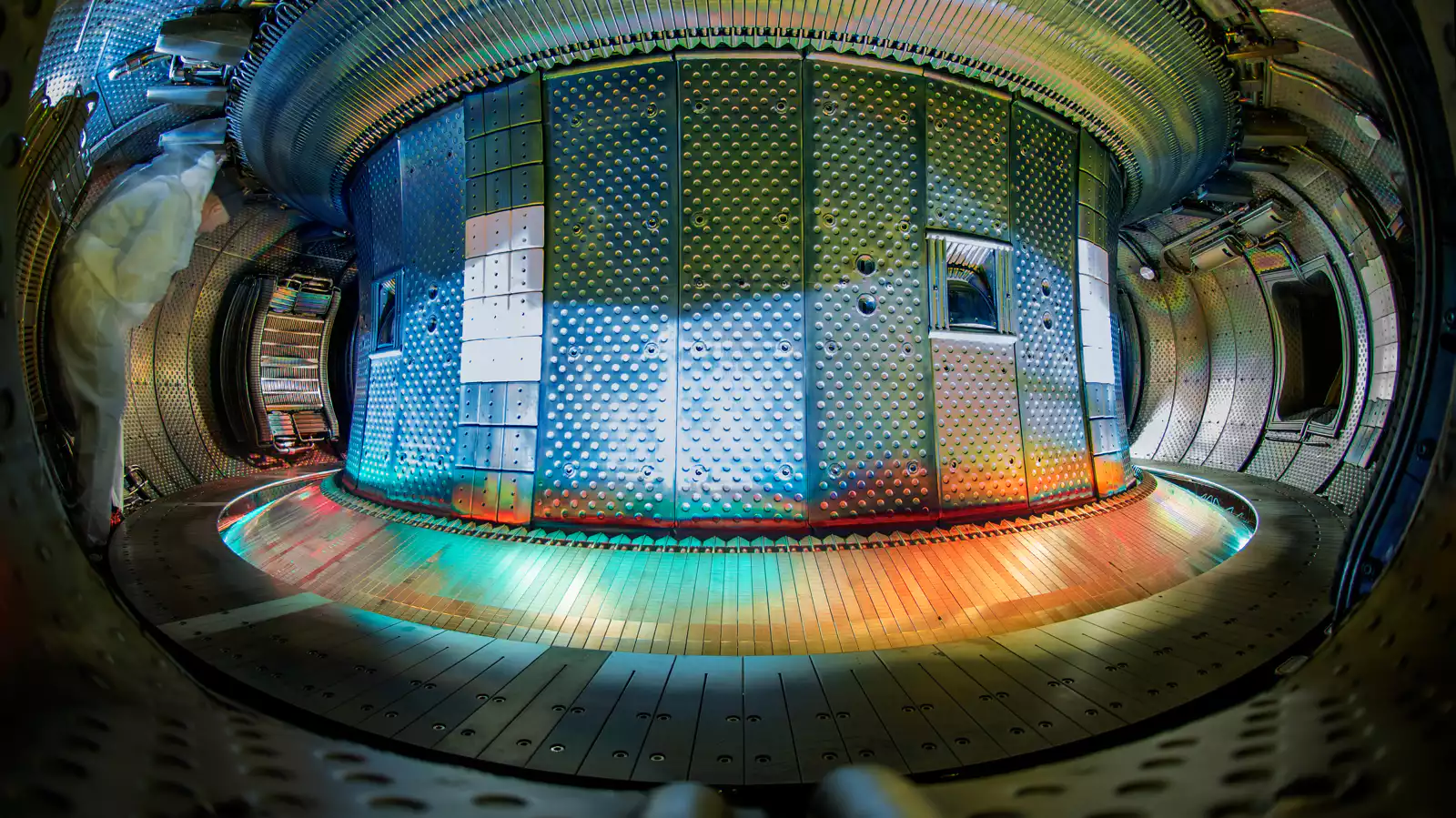
The WEST reactor in France and South Korea's KSTAR have also extended plasma durations well beyond previous benchmarks. These testbeds are now feeding real-world data into the next major experiment – ITER, a 23,000-ton reactor under construction in southern France and the most ambitious fusion science collaboration to date.
ITER, backed by more than 30 countries, is designed to demonstrate that controlled fusion can generate more power than it consumes. Its centerpiece, the central solenoid, is the world's most powerful magnet and functions as the beating heart of the system, driving the plasma currents needed for sustained reactions. The arrival of the solenoid's final module in France in late 2025 marked a milestone for the project, which has navigated significant technical delays and engineering hurdles since its inception.
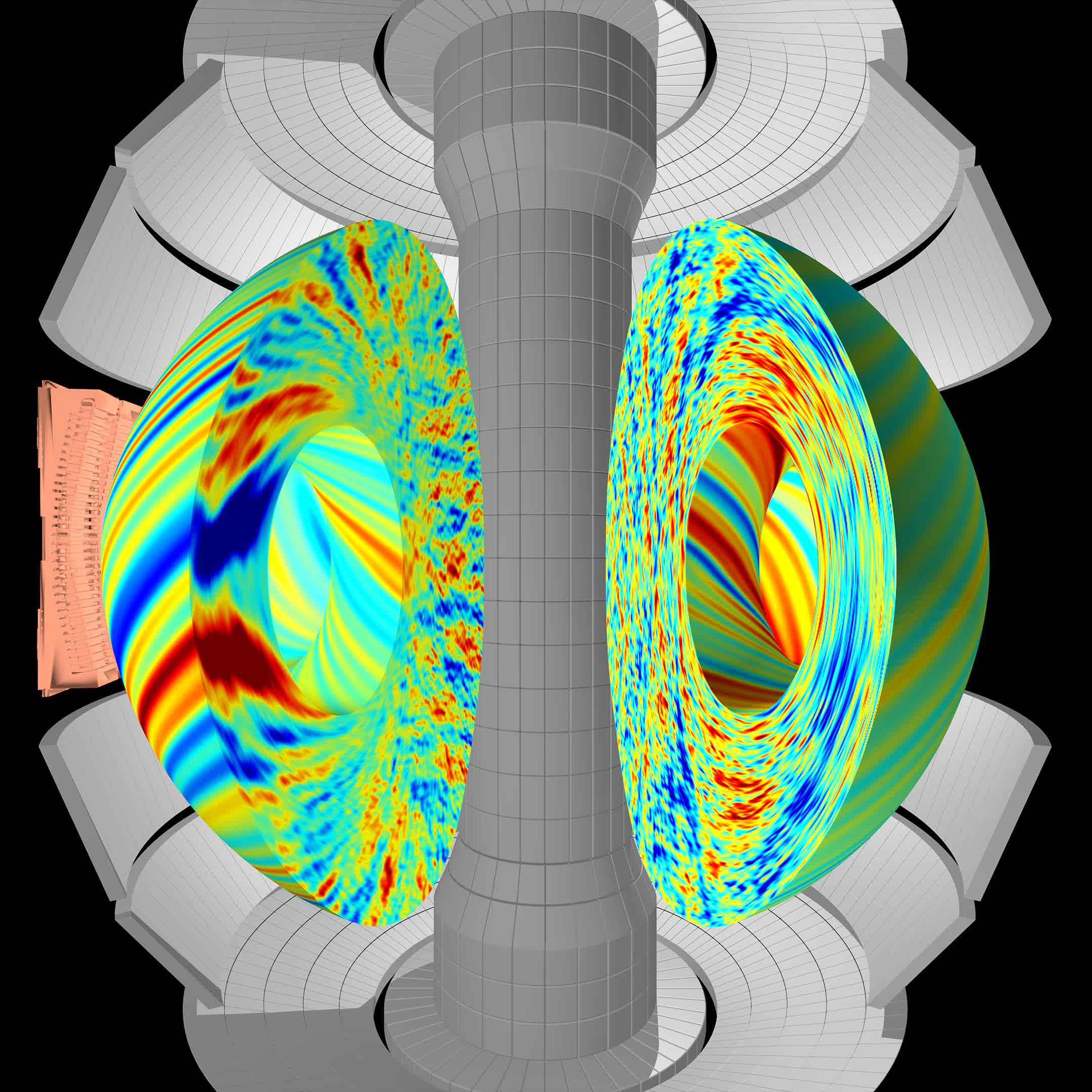
Beyond the reactor halls, artificial intelligence is transforming fusion research. Machine learning models now help predict and correct plasma instabilities in real time, synthesize missing experimental data with statistically reliable estimates, and optimize magnetic confinement patterns at scales too complex for human operators. These tools are compressing the iteration cycle between experiments, accelerating fusion's multi-decade timeline.
The most intractable obstacle remains one of materials. Even if a reactor achieves burning-plasma conditions, the point at which fusion becomes self-sustaining, the surrounding structures must endure intense neutron bombardment and heat flux.
In response, scientists are racing to create alloys, ceramics, and composites that can survive such extremes for practical lifespans. MIT's Laboratory for Materials in Nuclear Technologies, launched in mid-2025, has made this challenge its mandate. Led by physicist Zachary Hartwig, the facility's goal is to combine basic research with large-scale testing to find affordable materials for future fusion reactors.
The convergence of technology, financing, and belief has changed the conversation. After decades of academic seclusion, fusion has become an investment magnet. According to the University of Pennsylvania's Kleinman Center for Energy Policy, private funding surged from just over $1 billion between 2016 and 2020 to nearly $9 billion from 2021 through 2025.
Tech giants such as Google, Microsoft, Amazon, and Meta – each running massive AI data centers with soaring power needs – have joined the search for next-generation energy, forming partnerships with fusion startups. Governments, driven by carbon reduction mandates, are following suit.
Fusion energy's challenges remain formidable: physics still guards its secrets, materials still warp under neutron fire, and economics still favor established energy systems. But the dream of bottling a piece of the sun now feels less like science fiction and more like engineering delayed.
After seventy years of false starts, the race to capture star power may be accelerating.