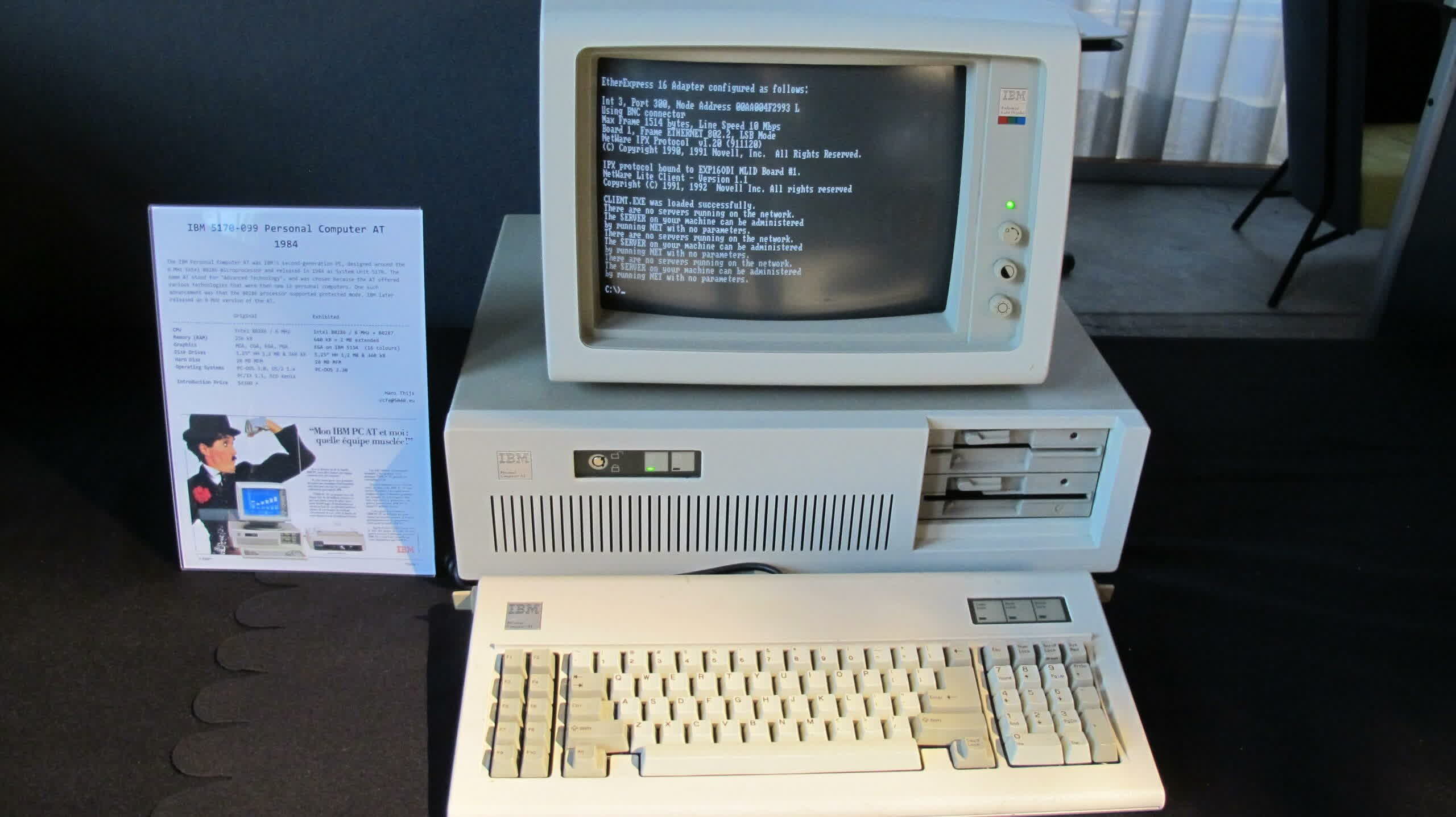
Recap: Intel introduced its first x86 processor architecture in 1978 with the 8086 microprocessor. A few years later, the company made history again with the 80286 – a CPU so successful that it continued to power new personal computers for many years, long after its prime.
Intel released the 80286 processor on February 1, 1982, making the CPU 44 years old. According to the company, the 16-bit chip represented a significant evolution in the personal computing industry. It introduced several innovative features for advanced computing applications and was considerably faster than the 8086.
Also known as the "Intel 286," the 80286 was built on a 16-bit architecture with a 24-bit internal address width. The CPU could address up to 16 MB of RAM – a huge improvement over the 1 MB supported by the 8086. The Intel 286 contained approximately 134,000 transistors, offering reliable backward compatibility with existing 16-bit x86 software while adding new features for enhanced performance.
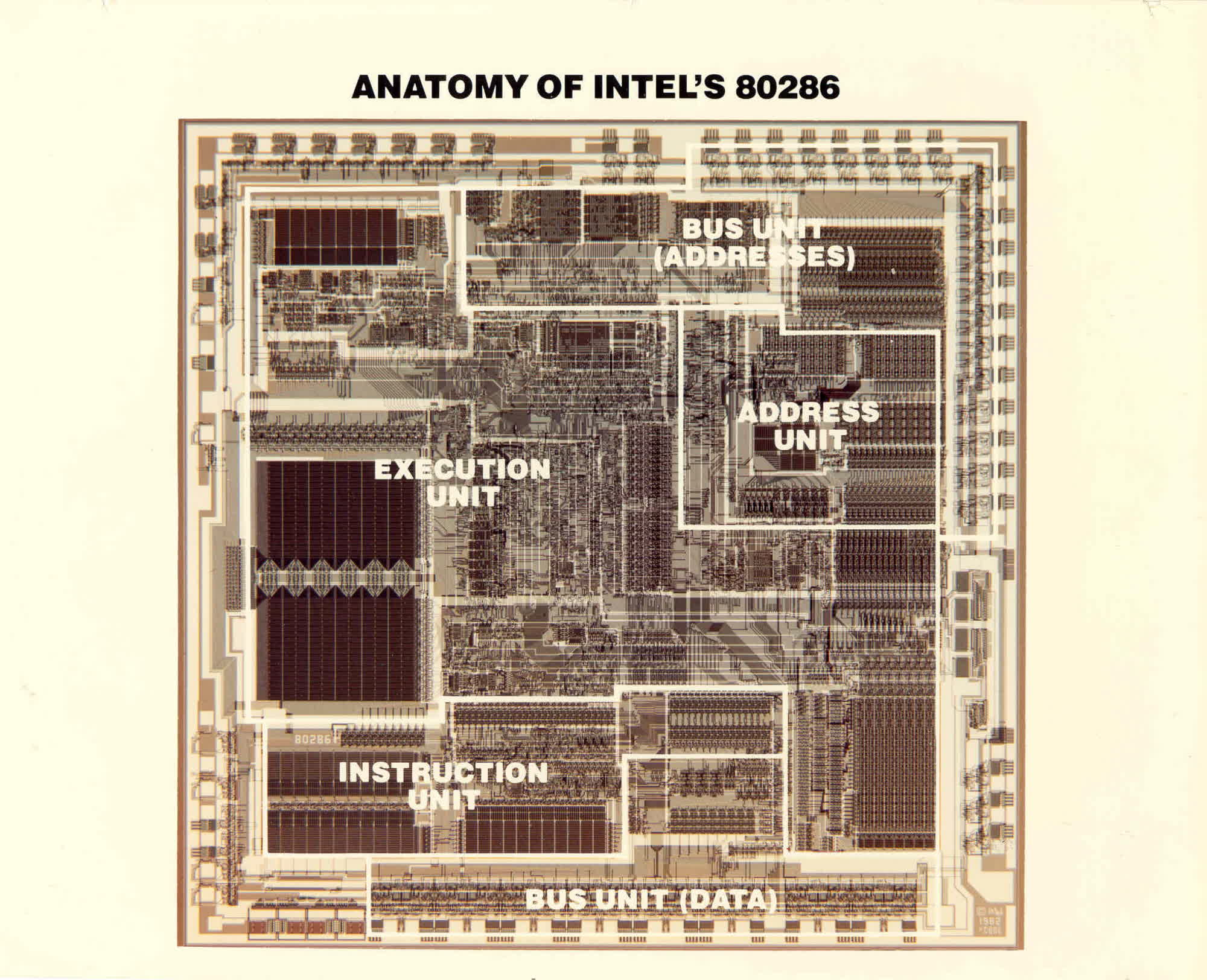
The 286 was the first x86 CPU to introduce support for protected mode, an operating mode that became essential for running advanced operating systems on later 32-bit processors. It was also the first CPU with an integrated memory management unit, significantly expanding support for 16-bit multitasking operating systems beyond DOS.
Intel initially intended the 286 for industrial automation, telecommunications, and other specialized applications rather than personal computers. However, the company now recognizes the CPU as a major milestone in computing history. IBM adopted the processor for its PC/AT format, another pivotal moment in the evolution of the IT industry.
The IBM PC/AT was released in 1984, and numerous other companies soon used the 286 CPU in their IBM-compatible clone systems. By 1988, Intel had shipped its 10-millionth 286 processor. Thanks to its advanced features, the 16-bit CPU remained in use in new PCs well into the 1990s, until the arrival of more powerful 32-bit Intel processors, such as the 386 and 486, once again transformed computing.
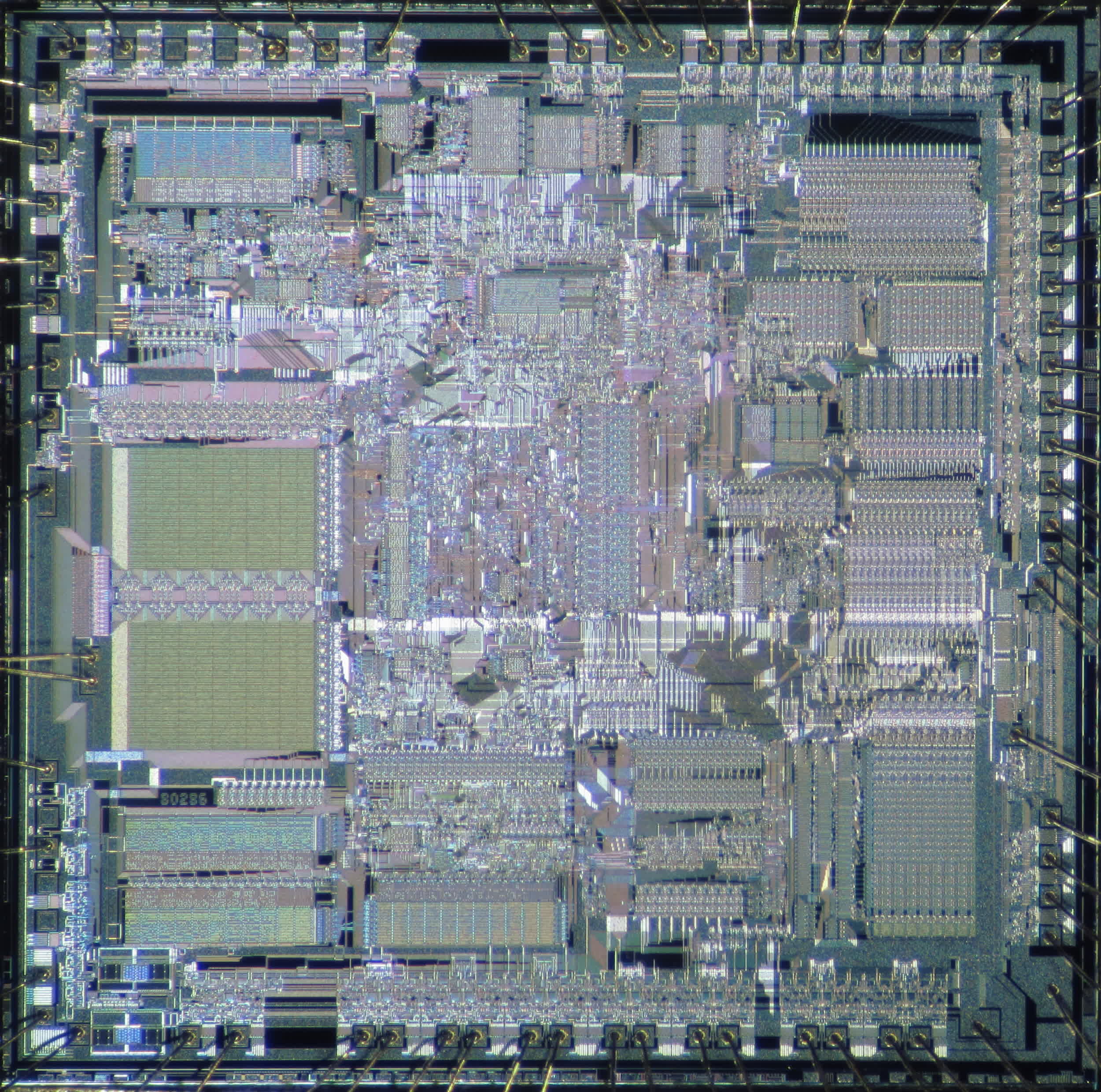
Computers based on 286 chips began to show their age when Microsoft introduced Windows 3.1 in 1992. The new DOS-based operating environment required a 386SX processor to run in "386 enhanced mode," which allowed computers to access a theoretical 4 GB of RAM – though the practical limit was around 256 MB at best.
Related reading: The History of the Microprocessor and the Personal Computer
The original Intel 80286 processor had maximum clock speeds of 5, 6, or 8 MHz, with later releases reaching up to 12.5 MHz. AMD, Harris, and other manufacturers produced faster variants with clock rates of 16 MHz, 20 MHz, and even 25 MHz. Compared to the 8086, performance gains could exceed 100 percent per clock cycle for most 16-bit DOS programs.
I began my computing journey with a 286 AT clone in the early 1990s, spending countless nights gaming, reading technical reference documents, and doing a lot of batch "programming" on a desktop running at 16 MHz with 1 MB of RAM. That PC is now stored somewhere in my garage, and one day I hope to restore – or replace – its acid-ridden motherboard to enjoy a few more nights of retro computing.
Image credit: Vintage Computer Festival, Intel, Pauli Rautakorpi
