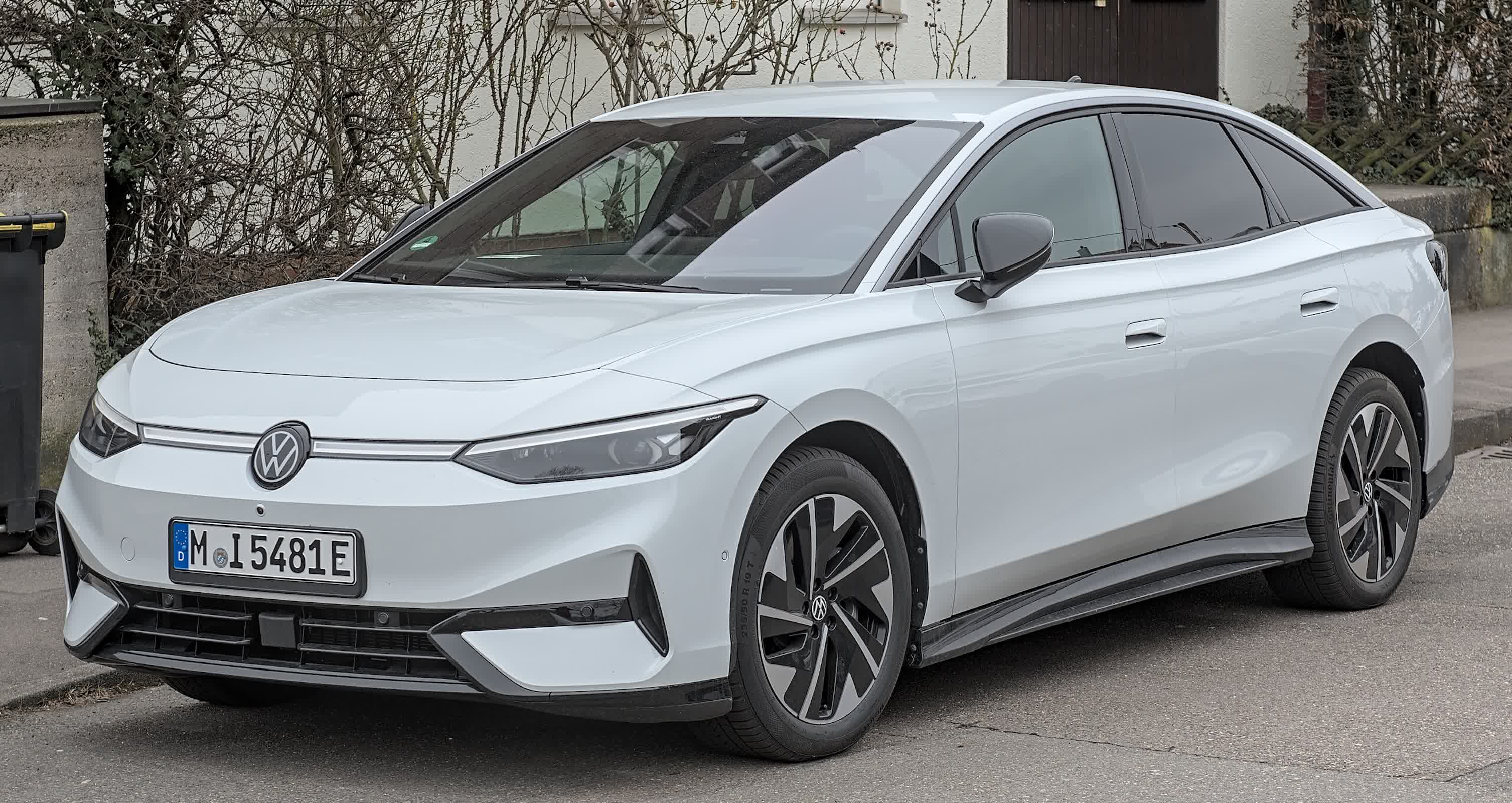
Bottom line: Europe's electric vehicle landscape shifted decisively in 2025 as Volkswagen overtook Tesla for the first time in regional battery-electric car sales. The data, compiled by automotive analytics group JATO Dynamics, captures a pivotal year when old and new manufacturers reversed roles in the race to electrify Europe's roads.
Tesla has dominated the continent's fully electric segment for years, but its momentum faltered sharply in 2025. JATO's figures show Tesla's registrations plunged 27 percent compared to 2024. Volkswagen filled that gap with a 56 percent jump, largely driven by its new ID.7 sedan. The result: VW's European battery-electric sales reached 274,278 units, overtaking Tesla's 236,357.
The numbers tell a broader story of transformation in Europe's auto market. Fully electric vehicles surged 29 percent in registrations last year, while overall car sales barely grew – just 2.3 percent across 28 European nations, including Britain, Norway, and Switzerland. EVs now command nearly a fifth of all new cars sold in Europe, evidence that electrification is becoming the continent's dominant technology rather than a niche.
Volkswagen's lead extends beyond its own brand. The company's broader portfolio – spanning Audi, Skoda, Cupra, and Porsche – collectively reinforces its EV footprint. Audi logged over 150,000 units, Skoda exceeded 170,000, and Cupra and Porsche together added well over 100,000 more. This depth gave Volkswagen Group a commanding position as the European market shifted toward zero-emission vehicles.
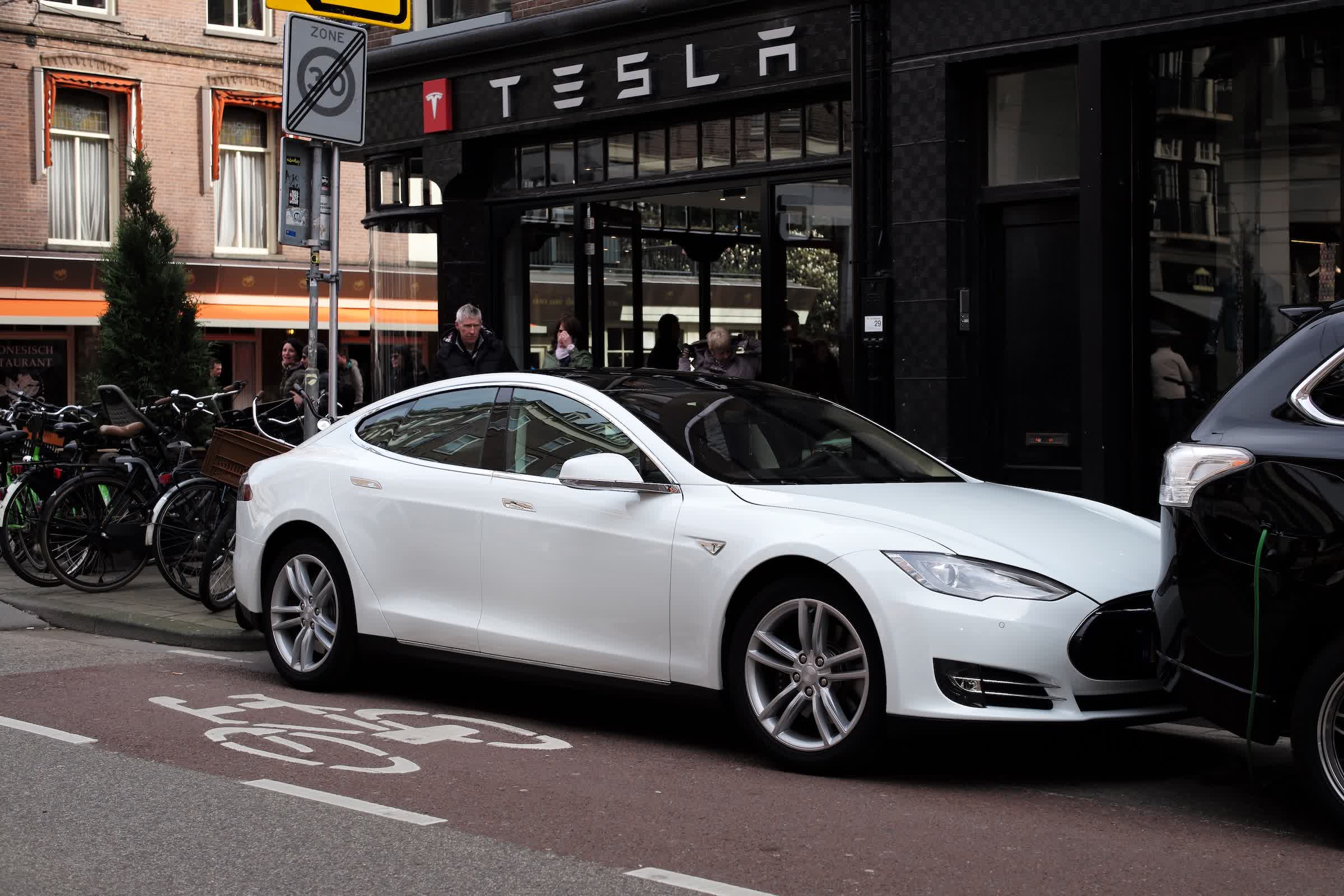
However, Tesla's troubles go beyond competition. Its limited model lineup – the Model Y and Model 3 – has begun to feel dated in a market increasingly defined by variety and regional customization. The Model Y remained Europe's most-registered single vehicle with roughly 150,000 units, yet that figure was still 28 percent lower than the year before. The Model 3 declined 24 percent to around 85,000.
Meanwhile, other automakers faced their own ups and downs. Volvo's small EX30, once expected to be a breakout success, slumped 37 percent after production shifts and recall issues stemming from geopolitical trade pressures. Still, smaller setbacks like these could not obscure the bigger picture: more than two-thirds of Europe's new cars last year came with some form of electrification – whether full battery-electric, plug-in hybrid, or mild hybrid systems using 48-volt starter motors to cut emissions modestly.
That technological diversity underscores the maturity of Europe's EV market. Battery-electric adoption accelerated, but mild hybrids – still powered primarily by internal combustion engines – remained the top-selling form of electrified vehicle, with nearly three million sold.
Plug-in hybrid models also posted robust 34 percent growth to more than 1.2 million units. By contrast, sales of unelectrified cars dropped 20 percent to just 4.5 million, marking a historic retreat for gasoline- and diesel-powered cars.
For Tesla, Europe's downturn mirrors a broader challenge. The company already lost its title as the world's largest EV manufacturer to China's BYD in 2024. That setback, combined with slowing demand growth in mature markets, heightens pressure on Elon Musk's company to refresh its lineup and remain competitive against an increasingly skilled global field.
Volkswagen, on the other hand, appears to be capitalizing on stability, scale, and renewed credibility nearly a decade after its diesel emissions scandal. Its strong European performance suggests that legacy automakers – armed with deep manufacturing roots and improving battery technology – are ready to contest the next phase of the EV era on equal footing.