
Rumor mill: Apple is delaying parts of its long-awaited Siri overhaul after internal testing uncovered technical issues. The company had planned to debut the revamped assistant with iOS 26.4 in March but according to people familiar with the matter who spoke to Bloomberg, Apple is now preparing to roll out key features in subsequent updates including iOS 26.5, expected in May, and iOS 27 in the fall.
The delays represent the latest setback in Apple's multi-year effort to rebuild Siri's intelligence layer using Apple Foundation Models, the company's in-house large language model platform. Announced in mid-2024, the update promised a far more context-aware assistant capable of leveraging personal data and on-screen content to handle nuanced requests.
According to people familiar with the matter, internal tests revealed a range of issues. Siri sometimes stalled when processing complex queries, responded too slowly to certain prompts, or misinterpreted user instructions entirely. In some builds, the assistant even reverted to its fallback integration with OpenAI's ChatGPT, despite Apple's own models being available to handle the request.
One of the features most affected by the delays is Siri's expanded access to personal information, including messages, files, and shared content. Engineers have been testing this "contextual memory" system in recent builds of iOS 26.5 via a preview toggle, which warns users that functionality may be incomplete.
Testers reported that the prototype could occasionally locate past messages or media accurately, but it often failed to respond consistently or cut users off mid-command.

The assistant's voice-based control of in-app actions – powered by Apple's App Intents framework – has also encountered setbacks. In internal demos, Siri could theoretically perform multi-step tasks, such as finding a photo, cropping it, and sending it to a contact, but execution remained unreliable.
These technical challenges stem from a deep rewrite of Siri's core architecture, internally known as Linwood. The new system is designed to support richer natural language understanding and generative responses, marking Apple's most significant shift in voice AI since Siri's 2011 launch. Linwood's intelligence layer is built on Apple Foundation Models but is increasingly intertwined with technology from Alphabet's Google Gemini team.
Apple's incremental roadmap also hints at two unannounced features expected in future updates: a generative image system and a new web search tool resembling Perplexity or Google's Gemini Search. Both have been tested within iOS 26.4 and 26.5 and are likely to anchor Apple's next wave of AI enhancements.
For the upcoming iOS 27 release, Apple is developing a deeper integration internally called Campo. This platform-wide chatbot interface will connect Siri to multiple system functions and apps, including Mail, Calendar, and Safari.
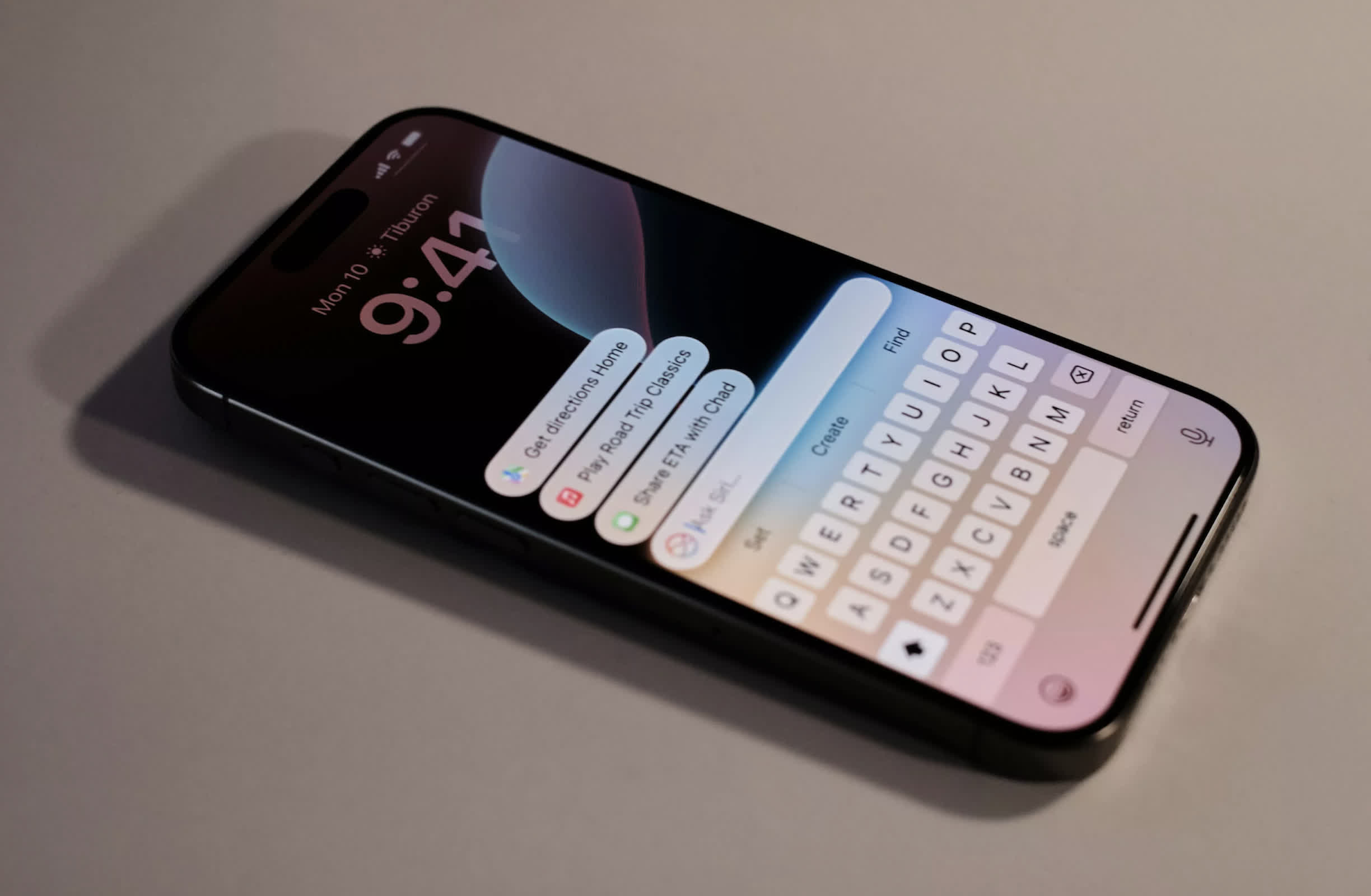
Unlike today's voice assistant, the forthcoming Siri under Campo will function as an interactive agent capable of maintaining multi-turn conversations and retrieving personal or local data. People familiar with the effort said it will rely on Google's cloud servers and a custom version of the Gemini model for computationally intensive AI tasks.
Apple's leadership has emphasized that privacy safeguards remain a defining constraint on Siri's evolution. At an internal meeting earlier this month, senior vice president Craig Federighi reaffirmed that user queries and contextual data will remain local to devices or pass through privacy-protected servers. The company is training its AI models primarily on licensed material and synthetic data, rather than user-generated content.
The Siri delay underscores the tension between Apple's push to catch up in the AI race and its commitment to privacy-first engineering. While executives remain determined to keep the project on track for spring 2026, sources familiar with ongoing testing say the schedule is fluid as engineers continue to fine-tune Apple's most ambitious AI system yet.
Image credit: Getty Images