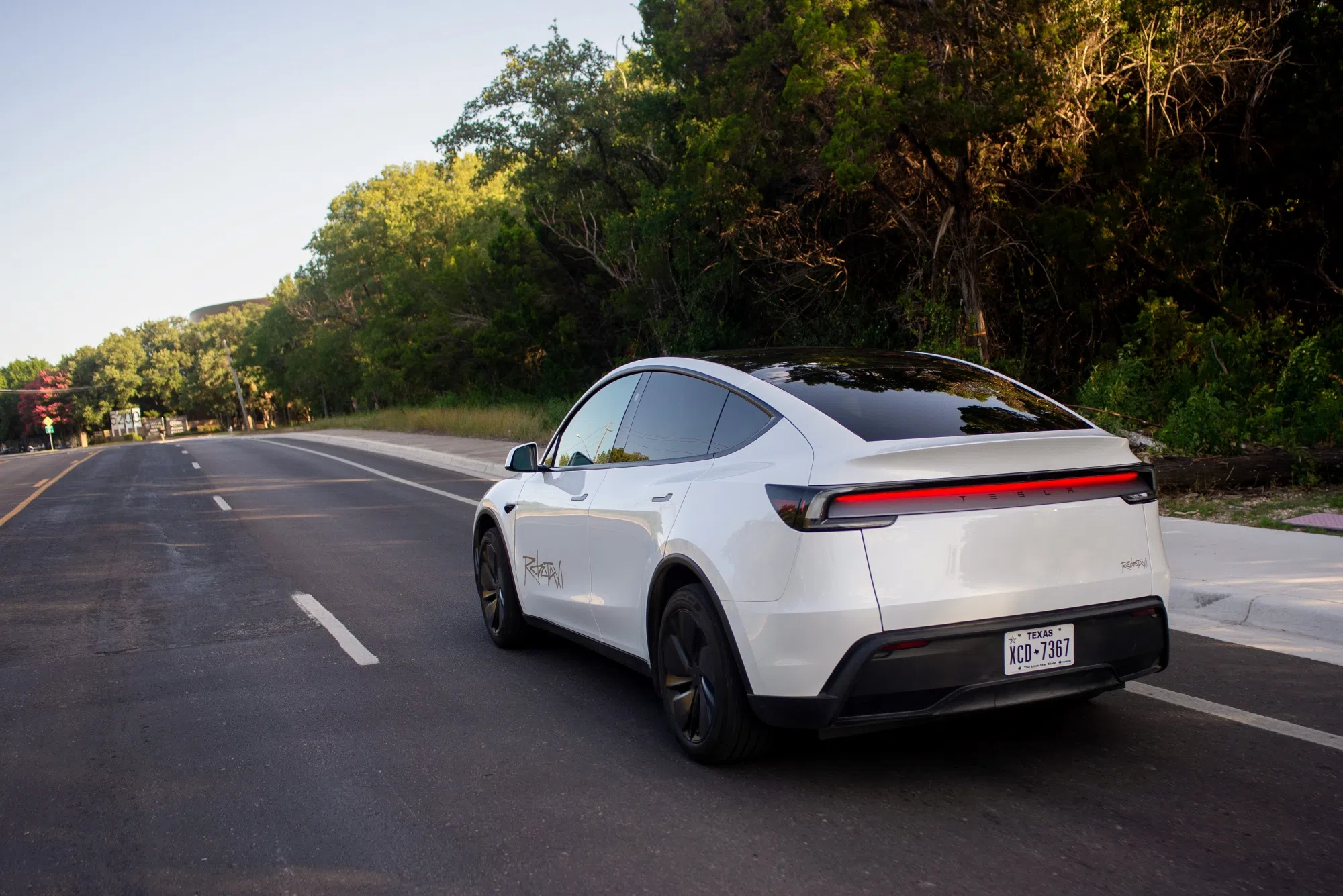
A hot potato: Tesla and Waymo are having a spat over their respective robotaxi services. After Waymo admitted that its autonomous driving system often requires real-time input from human agents, many of whom are based in the Philippines, Telsla said it also relies on remote operators – but it only hires people based in the US.
Waymo's chief safety officer, Mauricio Peña, recently noted that while some of the company's remote-assistance (RA) contractors work in the US, many operate from other countries, such as the Philippines.
In recent comments filed with the California Public Utilities Commission, Tesla admitted that its Robotaxi service relies on both in-car human drivers and domestic remote operators.
Elon Musk's firm says its model is more reliable than Waymo's, as illustrated by the December 2025 blackout in San Francisco that left clusters of Waymo's white Jaguar I-Pace robotaxis idling motionless at intersections.
Waymo later said that the blackout resulted in a spike in requests to its remote assistance teams that support the vehicles' autonomous AI in unusual situations. The sudden increase in requests ultimately overwhelmed the system.
Tesla said that the incident raised "important questions" about the reliability of robotaxis. The company noted that all of its remote operators are based in the US.
Tesla added that it is working to ensure that its autonomous technology is developed, manufactured, and supported in the US. It said that domestic support staff are more familiar with local road rules, more reliable at addressing issues when robotaxis encounter problems, have superior network connectivity, and are less vulnerable to cybersecurity threats.
Waymo caught plenty of flak for its admission, including from Senator Ed Markey, who called the use of Philippine-based RA agents "unacceptable" and a potential safety and security risk.
In its written response to Markey, Waymo explained that it has about 70 RA agents on duty at any one time, with around half based in the US and half based in the Philippines. It said that the overseas-based workers are trained in US road laws.
That explanation hasn't satisfied everyone. House Rep. Earl Carter has asked Transport Secretary Sean Duffy to investigate robotaxi services' foreign-based RA operators.
Tesla also pushed back on the idea that remote assistance undermines autonomy, arguing in its filing that human support is an industry-wide safeguard rather than a crutch.
The company said its remote operators are only engaged in edge cases, such as unexpected road closures, emergency scenes, or confused traffic patterns, and that vehicles remain responsible for the driving task.
Tesla contrasted this with Waymo's approach, which relies on more frequent remote guidance to help vehicles navigate complex urban scenarios.
Regulators are now taking an increased interest in how often these interventions occur and whether companies clearly disclose the level of human involvement.