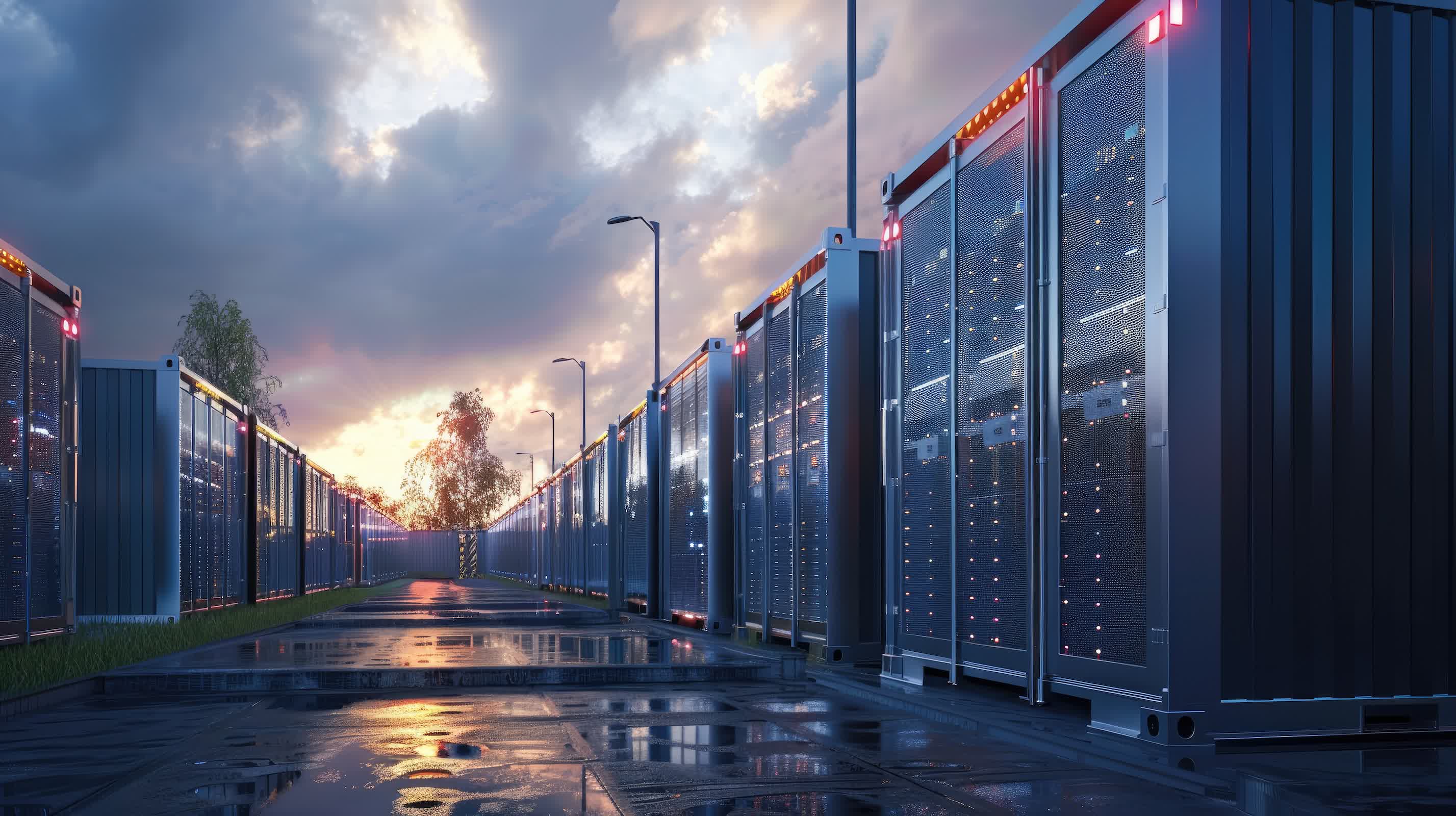
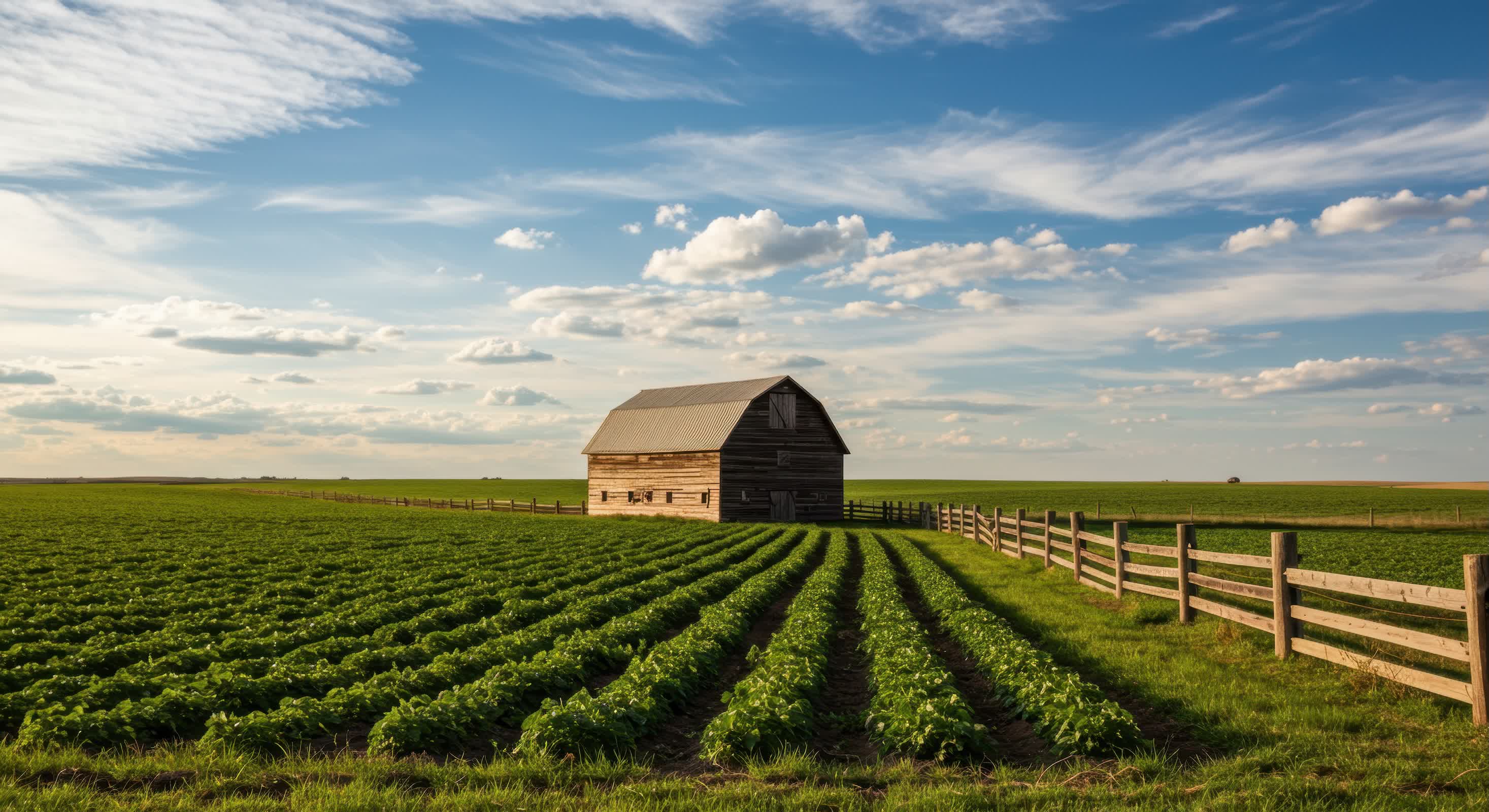
Winners & losers: A surge in demand for land to host artificial intelligence data centers is reshaping parts of rural America, pitting tech companies' need for power-ready acreage against concerns about food production, environmental impacts and the permanence of industrial build-out. Across multiple states, landowners are being offered sums far beyond recent market values, yet an increasing number are refusing to sell, exposing limits to how far AI's physical infrastructure can expand when it collides with agricultural priorities and local identity.
The scale of the new AI-driven demand helps explain the size of the offers. To support rapid growth in AI and cloud computing, tech firms are racing to secure what the industry calls "powered land": large parcels with access to ample electricity, water and favorable zoning.
Globally, about 40,000 acres of such land are projected to be needed for new data center projects over the next five years, roughly double the acreage now in use. The push is especially intense in locations that combine relatively cheap land with weak zoning protections and proximity to existing power plants or high-capacity transmission lines.
Mason County, Kentucky, has become one of the clearest flashpoints. There, an unnamed Fortune 100 company has been pursuing sites for a massive data center project that would occupy an estimated 2,000 acres. Public records show that a new customer has applied for a 2.2 gigawatt project tied to the local power plant – nearly double the plant's annual generation capacity.
Developers have approached multiple landowners in Mason County with multimillion-dollar offers tied to the project, in some cases far exceeding historical valuations for farmland. In at least one instance, a landowner was told to "name your price" after rejecting an initial offer that was already many times higher than what he had paid decades earlier.
Similar patterns are emerging elsewhere. In Pennsylvania, a farmer has turned down a $15 million bid for land he has worked for half a century. In Wisconsin, another has rejected an $80 million offer. Other owners have declined bids above $120,000 per acre, a level that would have been almost unimaginable not long ago.
In northern Virginia, which hosts one of the world's densest concentrations of facilities, recent deals illustrate how rapidly values are being redefined. An investor there paid $615 million for fewer than 100 acres of data center-zoned land last November, a parcel that sold for $57 million just four years earlier.
Days later, Amazon spent $700 million on nearby farmland that had previously sold for a fraction of that. In Georgia, a developer bought land for $4 million and sold it to Amazon a year later for $270 million. For intermediaries who assemble, entitle, and flip these properties, returns can exceed 1,000%.
The Mason County project shows how this new asset class intersects with long-term questions about rural economies. Local officials argue that the data center could help sustain future generations by bringing tax revenue and jobs to a region that has seen its population fall by about 10% since 1980, largely due to the loss of manufacturing.
A frequently cited comparison is Loudoun County, Virginia, where roughly a fifth of the world's internet traffic is said to pass. Tax revenue from data centers in the county nearly equals its entire operating budget. For proponents in places like Mason County, this model offers a blueprint for reversing decline: trade land for an industrial-scale digital complex, then use the proceeds to fund schools, services and infrastructure.
Opponents focus on what they see as irreversible trade-offs. Data centers require enormous amounts of electricity, and concentrating such demand in rural areas can strain power grids that were not built for multi-gigawatt loads. Critics worry that utilities may prioritize these large industrial customers over residential or agricultural needs, affecting reliability and future planning.
Water use is another point of tension. Many data centers rely on water-intensive cooling systems, which can strain local water supplies. Large campuses can also alter runoff patterns and increase the risk of soil contamination. For communities whose economies still depend on agriculture, these environmental impacts are closely tied to worries about long-term food production and land health.
Legal mechanisms add another layer of unease. In Mason County, landowners who declined offers say the local utility has raised the possibility of using eminent domain – the power of government to seize private property for public use – to obtain critical parcels for the project. That threat is backed by precedent: Dominion Energy used eminent domain against a farmer in Virginia last April.
Advocates for family farmers point to a tradition of stewardship that resists purely financial logic. Rural sociologist Mary Hendrickson notes that many view keeping a farm intact as a birthright and a duty to past and future generations. The trauma of the 1980s farm crisis, when more than 900 male farmers in the Midwest died by suicide amid bankruptcies and land loss, remains part of that collective memory.
In this context, the data center land rush amounts to a new test of how the US balances its technological ambitions with the physical realities that underpin them. The standoffs emerging in places like Mason County suggest that, even in the face of extraordinary offers, there are limits to what some communities are willing to trade for a share of the digital economy.