
The big picture: Apple has quietly dropped a bunch of new products this month, and as tradition goes, a bunch of older ones are being discontinued. This week alone has seen a massive 10 new devices arrive. To clear the shelves, a whopping 15 existing products have been pulled from the lineup. Perhaps the most interesting part is the range, though. Some of the discontinued products were barely six months old, while the oldest dates back to 2019.
The whole point of discontinuations is to funnel buyers toward the latest products. It also keeps the product lineup cleaner and less confusing. Anyway, here's the full list that's gotten the boot:
- iPhone 16e with A18 (2025)
- 11-inch iPad Air with M3 (2025)
- 13-inch iPad Air with M3 (2025)
- 13-inch MacBook Air with M4 (2025)
- 15-inch MacBook Air with M4 (2025)
- 13-inch MacBook Pro with M5 and 512GB storage (2025)
- 14-inch MacBook Pro with M4 Pro (2024)
- 16-inch MacBook Pro with M4 Pro (2024)
- 14-inch MacBook Pro with M4 Max (2024)
- 16-inch MacBook Pro with M4 Max (2024)
- Mac Studio with M3 Ultra and 512GB memory (2025)
- Studio Display with A13 Bionic (2022)
- Pro Display XDR (2019)
- Pro Stand for Pro Display XDR (2019)
- Pro Display XDR VESA Mount Adapter (2019)
You can probably tell that most of these are straightforward swaps. The iPhone 16e makes way for the iPhone 17e. The M3 iPad Air models have been replaced by M4 versions. And the M4 MacBook Airs are now M5 MacBook Airs.
The weird one is the 512GB MacBook Pro with an M5 chip. This is the base variant of the model launched only back in October, and it's already on the list less than 6 months later. The new base model is now the 1TB version, which sounds nice at first, except it also commands a higher price tag.
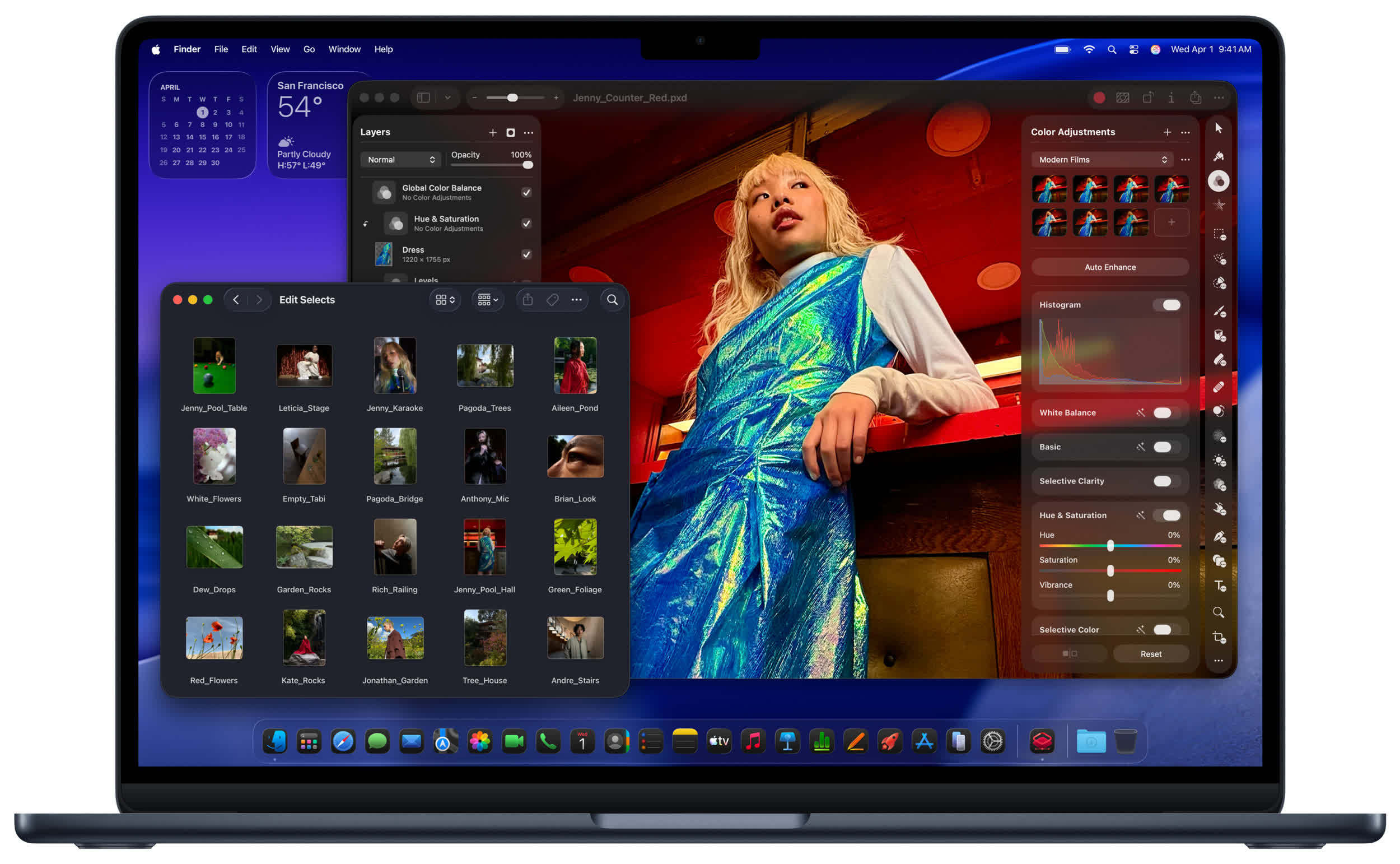
Then there's the original Studio Display from 2022, which has been replaced by an updated model. Finally, the oldest of the lot is the Pro Display XDR from 2019, now succeeded by the new Studio Display XDR.
One thing worth noting is that "discontinuation" isn't the same as a product being fully deprecated. When Apple discontinues something, it simply stops selling that product through its own channels. These devices will still receive software updates, repairs, and support for years to come.
Actual obsolescence, what Apple calls "vintage" and eventually "obsolete," only kicks in much later, usually five to seven years after the last sale. That's when parts start to dry up and service becomes harder to obtain.
That said, these products will still sell via third-party channels. Those retailers are already slashing prices on a lot of these models.