
Editor's take: In today's digital world, streaming dominates the content delivery business. According to a former programmer for the Sundance Film Festival, however, there may still be room for an alternative format for physical movie releases. Filmmakers might embrace it, but it's less clear whether consumers – or enthusiasts who have been collecting optical discs since the early DVD era – would follow suit.
Video StoreAge is a new company focused on creating physical releases of indie films. The startup aims to take a more authorial approach to distribution, using a patented encrypted USB drive to share its curated titles. Its ultimate goal is to disrupt algorithm-driven distribution in favor of communities and grassroots campaigns, but the OCD-fueled media collector in me can't help but think this new format poses both technical and commercial challenges.
Video StoreAge was founded by Ash Cook, the former programmer of the Sundance Film Festival. Cook says he learned a great deal during his Sundance days, managing the largest indie film festival in the U.S. and engaging in conversations with the filmmaking community. From this vantage point, he concluded that film distribution is no longer working as it once did.
Cook notes that physical media is now experiencing a sort of renaissance as audiences tire of streaming. He stated that users are "like kids in a candy shop and now we have cavities. The audience is there saying, this doesn't feel very good; I want something that feels more intentional, more human again."
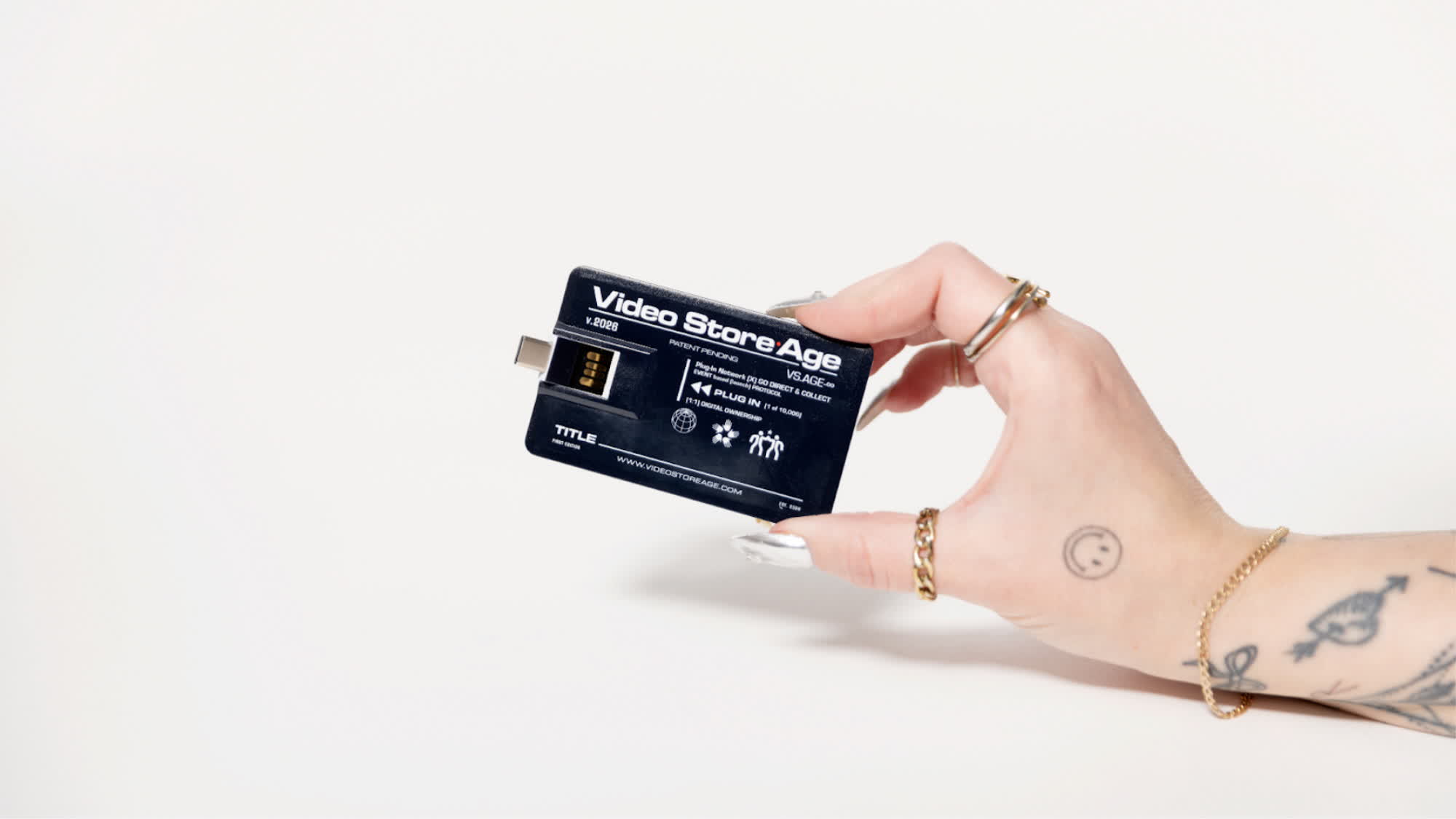
Video StoreAge's solution to this trend is an encrypted "plug-in" USB drive, containing either a single movie or multiple releases. A few drives are already available for pre-order on the company's website, with yearly subscriptions, "launch parties," and other purchase options coming soon. Drives can also include special features and additional content at the filmmaker's request.
Cook describes the Video StoreAge drives as a "DVD for the modern age" – a way to own a physical copy of a movie that can be played on any computer. The format offers a "digital utility" plus an optional subscription bonus, with quarterly collections containing five feature films and five shorts. Video StoreAge targets consumers who still buy physical media, although very little is known about the format's technical specifications and hardware requirements.
Meanwhile, DVD, Blu-ray, and other optical formats have been around for decades, even though major manufacturers have scaled back their production. They offer convenience, compatibility with a diverse range of devices, and durability. Pressed optical discs don't "rot" when stored properly, whereas modern chip-based media can face long-term data integrity issues.
So far, Video StoreAge has not addressed questions about reliability or compatibility. A stable, easily readable format is the true enabler of media ownership, as any serious collector can attest. Cook's core idea is that many consumers and film enthusiasts are still nostalgically drawn to the VHS tapes they watched as children. Whether Video StoreAge's USB format will prove practical enough to sustain a business remains to be seen – but in the meantime, I'll continue buying Blu-ray and UHD Blu-ray releases.